Your First Farm Stay: What to Expect (and What to Pack)
A practical guide for first-time farm-stay guests — how arrival works, what the days look like, farm etiquette, and a realistic packing list for Australian conditions.
Booking your first farm stay comes with a particular kind of anticipation — and usually a few quiet questions you feel silly asking. Will the host be hovering? Are we allowed to touch the animals? What on earth do you wear on a farm? All reasonable. A farm stay isn't complicated, but it runs on different assumptions from a hotel or a standard holiday rental, and knowing those assumptions in advance is the difference between settling in immediately and spending the first day working out the rules.
Here's the practical rundown: what arrival looks like, how the days tend to go, the unwritten etiquette, and what actually belongs in your bag.
What to expect when you arrive
Most farm stays are self-contained — a cottage, a cabin, converted quarters, or a private wing — with the host family living elsewhere on the property. Expect a few things hotels never involve:
The driveway is part of the journey. Rural properties often sit at the end of long gravel drives. Your host will usually send directions that override your map app; trust theirs. Aim to arrive in daylight the first time — finding an unfamiliar farm gate in the dark is nobody's favourite start to a holiday.
Gates have one rule. Leave every gate as you found it. Open stays open, shut stays shut. It's the closest thing farming has to a universal law, and it exists because a gate left the wrong way can put livestock somewhere dangerous.
The welcome is personal. Most hosts like to meet guests on arrival — a quick orientation covering where you can wander, which animals are friendly, where firewood lives, and when anything interesting happens (feeding rounds, milking, egg collection). This ten minutes is gold: it's when you find out what's on offer beyond the listing. If your host offers to show you around, say yes.
Stock up before you leave town. Many farms are a decent drive from the nearest shop, and "nip out for milk" can mean forty minutes round trip. Do a proper grocery run on the way. Ask your host about dinner options ahead of time — some regions have great country pubs; some have a pub that stops serving at 7.30pm sharp.
What the days look like
There's no itinerary unless you want one. But a few rhythms are near-universal on working properties:
Mornings start early — for the farm, not for you. Animals get fed at animal o'clock. You're welcome to sleep through it, but the guests who set an alarm and join the morning round almost always call it the highlight of the stay. If the listing mentions guests can help with feeding, take it literally and ask.
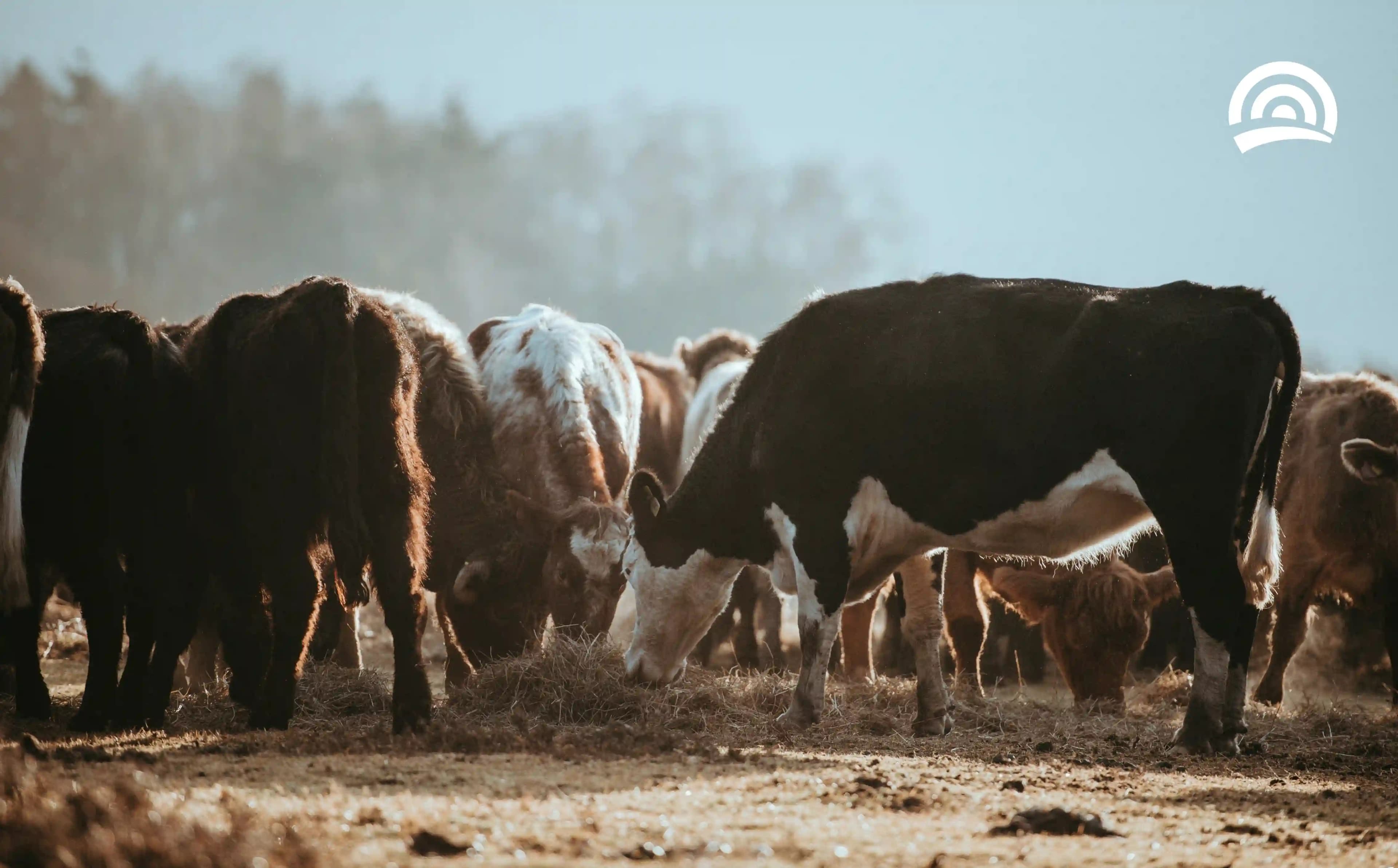
Animals come with instructions. Every farm has friendly animals, indifferent animals, and animals that are strictly look-don't-touch. Hosts will tell you which is which — believe them, and teach kids the two basics: never feed an animal anything without asking, and never get between a mother and her young. Within those rules, most hosts are generous. Watching a city kid meet a chook up close is half the reason many farmers host at all.
Afternoons are yours. Walk the property, fish the dam if you're invited to, read on the verandah, or day-trip to whatever the region does — cellar doors in the Yarra Valley, village-hopping in the Southern Highlands, rainforest drives in the Scenic Rim. A good pattern is farm mornings and touring afternoons.
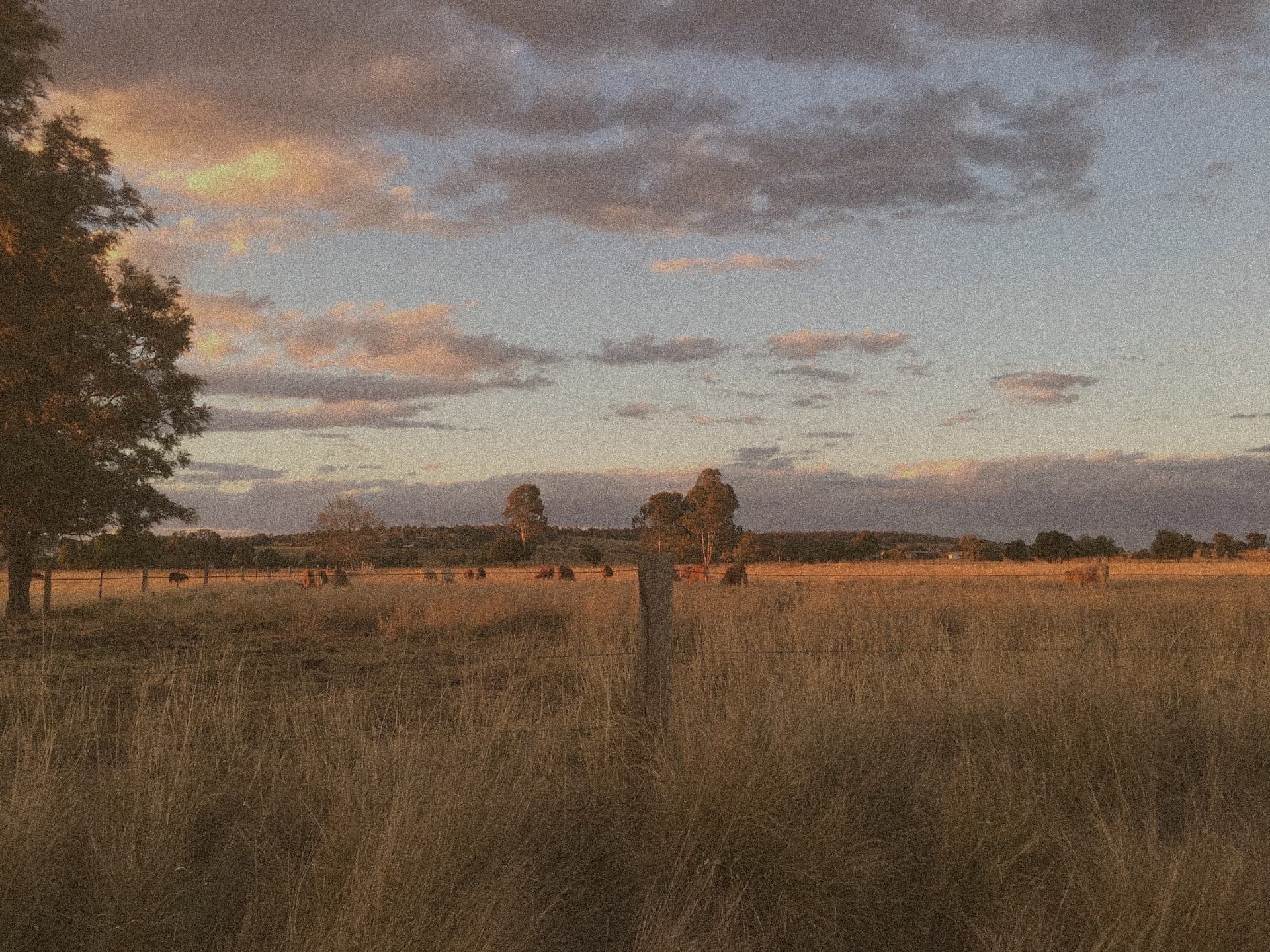
Nights are darker and quieter than you're used to. This is a feature. Step outside before bed — the stars alone are worth the drive. But bring a torch, because "walk from the car to the cottage" is a different proposition at 10pm in the country.
Farm etiquette in five points
- Supervise children around animals, water and machinery. Dams, troughs and equipment are part of a working property, not hazards that have been designed out. Hosts will flag no-go zones; take them seriously.
- Ask before wandering beyond the areas you were shown. Most hosts will happily expand the boundaries — they just want to know where guests are, especially if machinery is moving.
- Keep to the pet policy. If the listing says no dogs, it's usually about livestock safety, not fussiness. Never assume.
- Shut the gates. Yes, again. It matters that much.
- Talk to your host. Farmers are direct people. If something in the accommodation isn't right, or you want to do more (or less) farm stuff, just say so. They'd far rather hear it on day one than read it in a review.
What to pack
The packing list is where first-timers most often get it wrong — usually by packing for a hotel. Pack for outside.
Footwear is the big one. Bring closed-in shoes you don't mind ruining: old runners at minimum, gumboots or sturdy boots ideally. Paddocks are muddy after rain, dewy at dawn, and dusty in summer, and thongs don't survive any of those. Some hosts keep spare gumboots for guests, but don't count on your size being there.
Layers, whatever the season. Rural Australia does bigger temperature swings than the coast — a summer day of 32 degrees can still open with a single-digit dawn, and winter nights inland get properly cold. A warm jacket, a beanie in the cooler months, and something waterproof cover most situations.
The small kit that earns its place:
- A torch or headlamp per person (phone torches die at the wrong moment)
- Sunscreen and a broad-brimmed hat — shade is scarcer in a paddock than a city street
- Insect repellent, especially in summer
- Any medications you rely on, plus basic first aid; the nearest chemist may not be near
- Downloaded maps, playlists and a couple of movies — mobile coverage can be patchy, and while most stays have wifi, some proudly don't
- Books and board games for the evenings, which are longer and better than you remember
- Old clothes for kids that can meet mud without consequence
Food is worth planning like a camping trip, minus the hardship. Most self-contained stays have a proper kitchen, and cooking with the lights of nowhere out the window is part of the appeal. Bring a first-night dinner that needs no thought, breakfast supplies for every morning, and more snacks than seems reasonable — farm air makes people hungry. If your host sells their own produce, eggs or meat, buy some; it's usually excellent and it goes straight to the people hosting you.
What to leave at home: anything white, anything precious, and the expectation of room service.
Booking your first one
If you're still deciding whether the farm-stay format suits your kind of trip, our honest farm stay vs Airbnb comparison covers the trade-offs properly. Short version: if the idea of animals, acreage and a host who actually knows the land appeals more than anonymity and proximity to restaurants, you're the target audience.
For a first stay, favour a property within about two hours of home — farm stays near Melbourne has good starter regions for Victorians, and every state has an equivalent. Two nights is the sweet spot for a first trip: one night always feels like you left just as you'd arrived.
When you're ready, you can explore farm stays by region or search available short stays with your dates and group size. Read the listing closely, send the host a message about anything you're unsure of — they answer personally, and the reply will tell you plenty about the stay — and pack the gumboots. The rest, the farm takes care of.