Farm Stay vs Airbnb: What to Expect
An honest comparison of farm stays and standard short-term rentals — hosts on site, animals and routines, what each does well, and when a working farm is the better booking.
Somewhere in every trip-planning session comes the accommodation debate, and if you're reading this, the shortlist has probably come down to farm stay vs Airbnb. It's worth saying upfront: this isn't a contest with a winner. A city apartment for a concert weekend and a cottage on a working cattle property are different products solving different problems. Plenty of great trips happen in standard short-term rentals, and plenty of people book a farm stay expecting a styled country Airbnb and get a surprise when there's a tractor running at 7am.
The point of this comparison is to make sure the surprise doesn't happen to you — and to help you work out which kind of booking actually fits the trip you're planning.
The core difference: a working property vs a rental
A typical short-term rental is a space. It might be lovely — well-styled, well-located, stocked with decent coffee — but its job is to be accommodation, and when you leave, it waits for the next guest.
A farm stay is a place with a life of its own that you're stepping into. The property existed before guests and would keep running without them. There are animals that get fed whether or not anyone's watching, fences that need checking, seasons that dictate what's happening in the paddocks. The accommodation — a cottage, a converted shearers' quarters, a self-contained wing of the homestead — sits inside that working rhythm rather than apart from it.
Neither is better in the abstract. But they feel completely different to stay in, and the differences show up in a few specific ways.
Hosts are present — and that's a feature
On a standard rental, the ideal host interaction is often zero: a lockbox code, a wifi password, a checkout text. On a farm stay, the host usually lives there. They might be up the driveway in the main house, or across the yard, but they're around.
For some travellers that takes a mental adjustment. In practice it's the best part of the model. Your host is the person who knows which paddock the friendly steer is in, which back road is worth the detour, and whether the river's warm enough to swim. Many hosts will happily include guests in a feeding round or let the kids watch the morning routine — but they're also farmers with a day's work to do, so the good ones are practised at giving you space. If you want a fully anonymous stay, say so when you book; if you want the guided version, say that too. Direct contact with the person who actually runs the property is something no automated check-in flow can replicate.
Animals and routines set the tempo
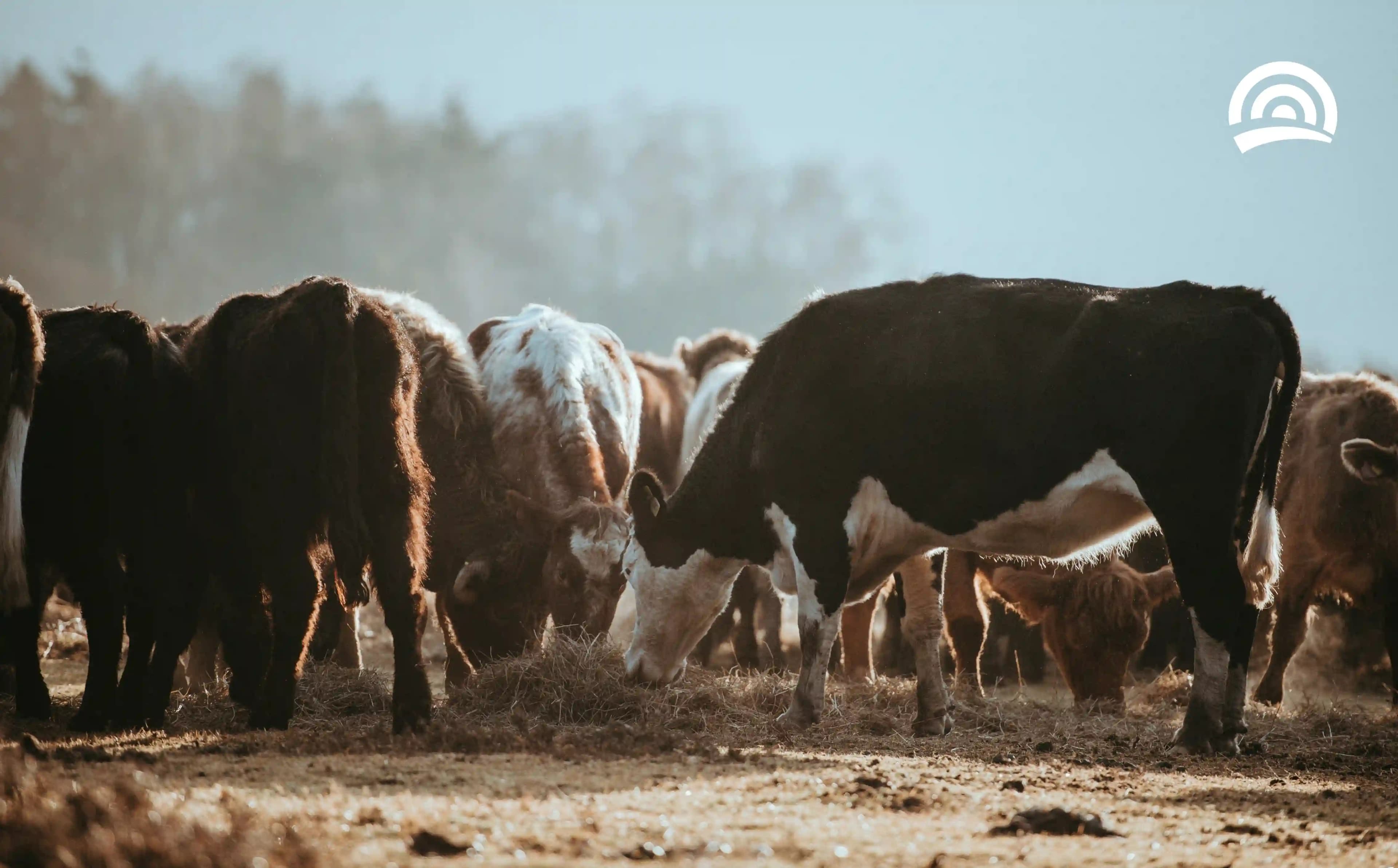
Farms run on schedules that don't consult your sleep-in. Roosters exist. Dogs bark at things worth barking at. Feeding happens early because that's when it happens. Depending on the season you might hear machinery, and in lambing or calving season the whole property revolves around the maternity ward.
This is either the charm or the catch, depending on what you're after. If your ideal weekend is silence until 10am, a quiet rental in the hills with no livestock might honestly serve you better. If your kids have never held a chook, or you've spent one too many Sundays staring at a screen, the routine is the point — most guests find that two days of animal-time recalibrates something.
The trade-offs, honestly
Things a standard rental often does better:
- Predictability. Rentals are standardised; farms are not. Distances are real, driveways can be long and unsealed, and mobile coverage can be patchy.
- Location for urban plans. If the trip is restaurants and events, stay near the restaurants and events.
- Total privacy. Some travellers want zero human contact, and that's a legitimate preference.
Things a farm stay does that a rental structurally can't:
- Animals you can actually meet, with someone who knows them standing next to you.
- A property to roam. Many stays give you genuine acreage — room for kids to run, dams to walk around, hills to climb — instead of a courtyard.
- A host with real local knowledge and a reason to care that your stay goes well, because you're a guest on their farm, not a booking reference.
- A story. Nobody comes home from a weekend away talking about the rental's pendant lighting. They come home talking about bottle-feeding a lamb.
When each one wins
Book the standard rental when: the trip is about a town or event; you're arriving late and leaving early; you want guaranteed silence and total anonymity; or you need to be walking distance from anything.
A word on cost, since it usually comes up: there's no rule that one is cheaper than the other. Farm stays span the same range as any accommodation — simple cabins at modest rates through to premium homesteads — and what you're paying for shifts from location and styling towards space, animals and the host's time. Compare on what the stay includes rather than the nightly figure alone; acreage, activities and a host on call don't show up in a price filter.
Book the farm stay when: the trip is the destination — a slow weekend, a family escape, a chance to show kids where food comes from; you're travelling somewhere rural anyway and would rather wake up in it than beside a highway; or you're travelling with animals yourself. That last one is a category of trip a normal rental simply can't host — some farm properties can take your horse along with you, which is its own subject: see farm stays where you can bring your horse.
If you've never done one, regions like the Yarra Valley near Melbourne or the Southern Highlands south of Sydney are gentle entry points — proper farms, short drives, plenty to do nearby. Our guide to farm stays near Melbourne breaks down the Victorian options region by region.
Why book through a farm-stay platform
You can find rural properties on the big generic platforms, and some are excellent. The limitation is that a generic platform can't tell the difference between a working farm and a house that happens to have a paddock in the photos — "farm stay" is just a word in a listing title.
A dedicated platform like FarmShare exists to close that gap:
- Listings are actual farms. Hosts are on the platform because they run rural properties, not because they've styled a spare room with gumboots.
- Rural-specific detail. Farm stays raise questions generic listings never anticipate — can the property host horses, what animals are on site, is the last stretch of road okay for a two-wheel drive — and the listing format is built to answer them.
- You deal with the farmer. Questions go straight to the person who owns the animals and the land, before you commit. For a trip where the host is the experience, that direct line matters more than any amenity list.
- Search that fits the trip. You can browse short stays by dates and guest numbers, and explore farm stays region by region to match the property to the trip.
The honest summary: farm stay vs Airbnb isn't a question with a universal answer — it's a question about what this particular trip is for. If the answer involves animals, acreage, quiet, kids, or a horse float on the towbar, book the farm. And read what to expect on your first farm stay before you go — a little preparation is the difference between a good weekend and a great one.