Farm Stays Where You Can Bring Your Horse
How horse-friendly farm stays work in Australia — the best trail regions, what to ask a host about paddocks, feed and biosecurity, and how whole-property bookings work on FarmShare.
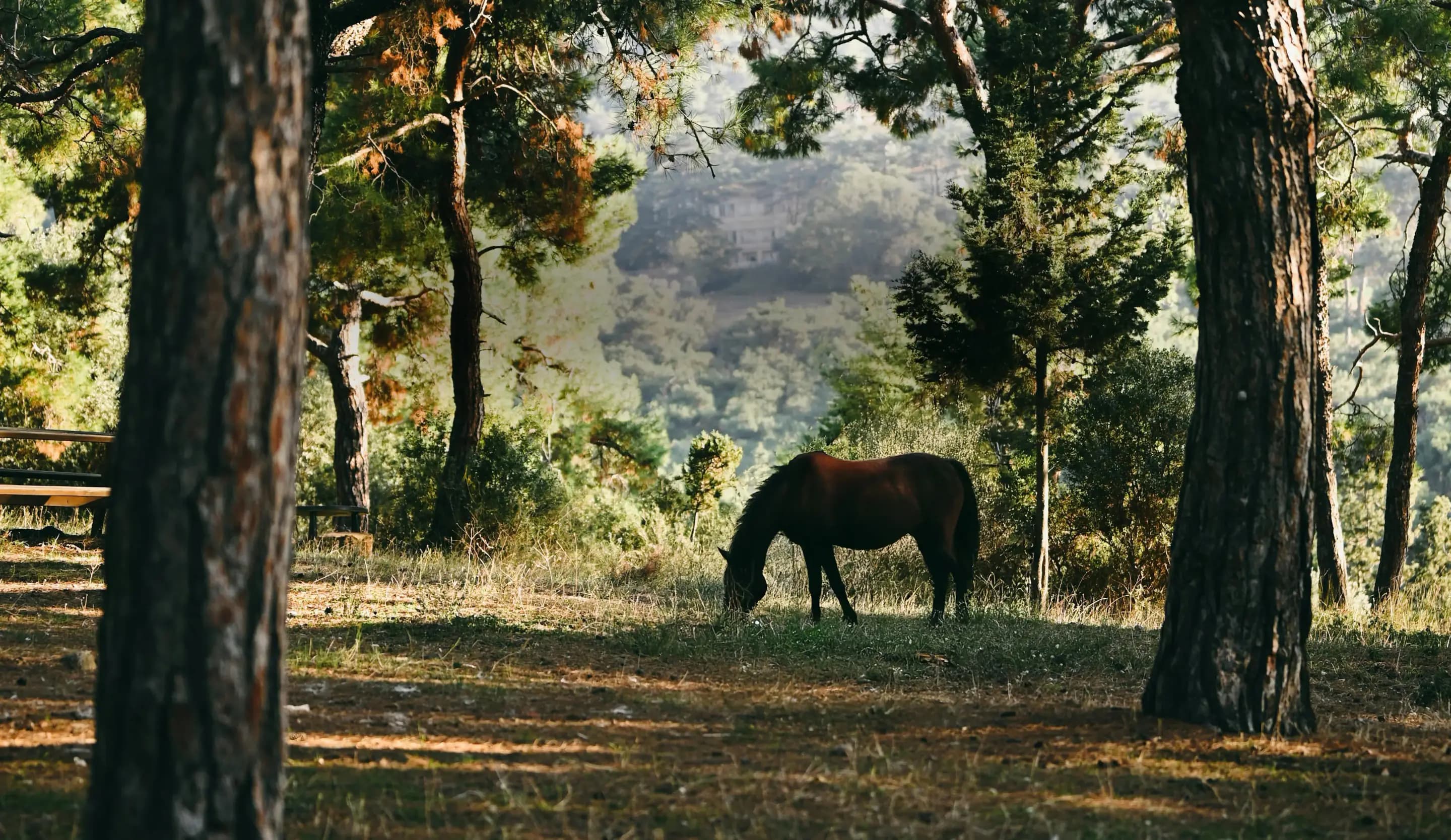
Ask any horse owner about their dream holiday and there's a decent chance the answer involves the horse coming too. The catch has always been logistics: hotels don't have paddocks, most holiday rentals get nervous when you mention a float, and turning up somewhere new with a horse raises questions — feed, fencing, water, biosecurity — that ordinary accommodation was never built to answer. Farm stays where you can bring your horse solve the problem at the source: you stay on a property that's already set up for horses, hosted by someone who owns the fences.
It's the trip FarmShare was practically built for, and this guide covers the three things that matter: where to go, what to ask a host before you book, and how the booking itself works.
Where to ride: Australia's great trail country
Any horse-friendly property can make a good weekend. But a few regions combine farm stays with riding country worth floating a horse across the state for.
Snowy Mountains, NSW
The Snowy Mountains are the spiritual home of Australian horse travel — this is Man from Snowy River country, and the riding lives up to the poetry. The valleys around Jindabyne, Adaminaby and Tumbarumba hold big grazing properties, and the region offers everything from gentle river-flat rides to serious high-country trails. Summer and autumn are the season; the high country closes itself off in winter. Note that riding inside Kosciuszko National Park is restricted to designated areas, so a local host's knowledge of where you can actually ride is worth a great deal.
Victorian High Country
Across the border, the Victorian High Country offers the same legend with its own geography — the cattle-run country around Mansfield, Merrijig and the Howqua and King valleys, where mountain cattlemen's huts still dot the ranges. It's arguably the most famous trail-riding region in the country, and properties here are often working cattle farms where a travelling horse is nothing unusual. Autumn is spectacular; summer gives you long evenings and river crossings.
Southern Highlands, NSW
Not every horse holiday needs a mountain. The Southern Highlands — Bowral, Moss Vale, Exeter, Sutton Forest — is one of the most horse-dense regions in Australia, with a deep equestrian culture, quiet country lanes and established riding trails through rolling green country. It's about ninety minutes from Sydney, which makes it the practical choice for a first trip away with your horse: short float time, mild climate, and plenty for non-riding members of the party to do.
Scenic Rim, QLD
An hour or so inland from Brisbane and the Gold Coast, the Scenic Rim wraps a ring of volcanic peaks around some of Queensland's prettiest grazing valleys — Kalbar, Boonah, Rathdowney, the Lost World Valley. The region has a strong trail-riding tradition and a winter season that's the envy of the southern states: dry, clear and mild while Victoria shivers. If you're a northern rider, this is your high country.
What to ask a host before you book
A good horse-friendly listing answers most of this, but a short conversation with the host before booking is standard practice and no host worth staying with will mind. The essentials:
Paddock or stable — and what's the fencing? Ask exactly where your horse will be kept: private paddock, shared paddock, yard or stable. Ask about fencing type (plain wire, post-and-rail, electric) and whether the paddock has been spelled recently. If your horse hasn't lived behind electric tape before, say so. Ask about shelter and water — trough, dam or creek — and whether the horse will have company within sight, which settles most travellers enormously.
Feed: bring it or buy it? Many hosts can provide hay, some can't, and a sudden feed change is a colic risk regardless. The safest pattern is to bring your own hard feed plus enough of your usual hay to transition, and confirm what the host can supply beyond that. Ask about the pasture too — a horse used to poor grazing turned out onto rich improved pasture needs managing, and your host will know what their paddocks are like at that time of year.
Biosecurity. Good horse properties take this seriously, and you should be glad when they do. Expect questions about your horse's health, and be ready to discuss vaccination records — many hosts ask about tetanus and strangles, and some require an up-to-date Hendra vaccination, particularly in Queensland and northern NSW. Ask what they need from you, and extend the courtesy in reverse: clean your float, boots and gear before travelling, and don't bring hay from a weed-affected area onto someone else's land. A property that asks you hard biosecurity questions is a property that's protecting your horse from the last guest's germs too.
Gear storage and facilities. Where can you securely store saddles, rugs and feed bins? Is there somewhere to park the float on level ground? Is there a round yard or arena if you want to work the horse before hitting unfamiliar trails? Is there a wash bay or at least a hose? None of these are dealbreakers, but knowing before you pack changes what you bring.
The riding itself. Can you ride on the property, and how much of it? Are there trails straight off the farm, or do you float to trailheads? Some hosts ride and will point you at (or accompany you to) the country worth seeing — local knowledge about creek crossings, road sections and where the motorbikes go on weekends is the difference between a good ride and a great one.
How it works on FarmShare
FarmShare grew out of agistment — connecting horse owners with rural properties — so hosting horses isn't an awkward add-on; it's the platform's home ground. For short stays, listings come in a few flavours worth understanding:
Some properties host horses only. Think of it as short-term agistment: your horse holidays (or spells) on the property while you stay elsewhere, or you drop the horse for trail access and drive in each day.
Some properties host you and your horse together. This is the trip this article is about: accommodation for the humans, paddock or stabling for the horses, one booking. These stays are typically whole-property listings — when you book, the place is yours for the stay. No other guests' dogs in the next cabin, no strangers' horses over the fence, no negotiating shared facilities. For travelling with animals, that exclusivity isn't a luxury; it's what makes the logistics simple. Your horses go where the host directs, your gear lives where you can see it, and the only people on the property are your party and the family who runs it.
Because you book directly with the farmer, the pre-arrival conversation above happens naturally on the platform — you're messaging the person who owns the paddocks, not a property manager reading from a listing description. And search works the way a horse trip actually gets planned: you can filter available short stays by your dates and the number of guests, then confirm the horse details with the host before you commit.
Making the trip work
A few final notes from the collective wisdom of people who've done this a few times. Plan float legs sensibly — three to four hours between proper breaks is a common rule of thumb, and it pairs nicely with picking a region one comfortable leg from home for your first trip. Arrive with daylight to spare so your horse can settle into the new paddock while it can still see the fences. Ride conservatively on day one; unfamiliar country is stimulating for both of you. And build in a rest day — for the horse, officially.
If you're new to farm stays generally, what to expect on your first farm stay covers the human side of the equation, and riders within reach of Victoria should read our farm stays near Melbourne guide for the High Country detail. When you're ready, browse farm stays by region and start the conversation with a host. The horse holiday is one of the best trips Australian riding has to offer — and for once, nobody has to stay home to do the feeding.