Australian Pasture Grasses Guide: Types, Identification, and suitability for livestock grazing
Selecting the right pasture grasses for cattle and livestock grazing are essential to promoting livestock health, productivity, and ensuring environmental well-being across your farm. This is a comprehensive guide to choosing suitable grasses for grazing including different types, identification and suitability.
Identifying suitable grass for pasture and suitability for livestock in Australia
The most suitable pasture types will vary for livestock and will depend upon species, age, fertility (pregnancy, feeding, dry) as well as what’s suitable for the climate (rainfall, elevation, temperature) of your individual farm.
Selecting the right grass species for your pasture can be the key to a thriving farm versus one that falls short of its potential.
Your farm should include pasture grasses that are suitable for the diet of your predominant livestock phenotype, or ideally a mixture of pasture that is suitable for all variations of livestock presiding on the land. As a brief example, cattle are well-suited to primarily grass- based pastures due to their higher fiber requirements.
Overview
It first begins with understanding what pasture grasses are and how they can create a thriving and sustainable grazing system. In Australia, where climatic and soil conditions vary dramatically; from the tropical north to the temperate south- selecting the right grasses for your region is vital.
Not all grasses will thrive or even survive Australia-wide. The Australian country features diverse climates with varying weather patterns, temperatures, and varying types of soil. Because of Australian broad and varied climate, pastures that are suitable for some farmers will not be suitable for all. Climatic and soil factors are therefore important when selecting pasture grasses for your livestock.
This guide goes beyond the basics, helping you identify key types of pasture grasses and assess their suitability for your livestock, as well as the climatic and soil conditions of your farm.
With these factors in mind let’s explore identifying types of pasture grasses in Australia and how they may be suited to your farm.
What is Pasture Grass?
Pasture grass refers to the diverse range of grasses specifically cultivated or naturally occurring to support grazing livestock like cattle, sheep, and horses. These grasses are chosen for their palatability, nutritional value, and suitability for forage, making them essential to sustainable grazing systems.
In Australia, pasture grasses can be classified into short-term (e.g., Italian ryegrass) and long-term or perennial varieties (e.g., tall fescue, phalaris, cocksfoot). The choice between native species and introduced species is also an important consideration. Native grasses are well-adapted to local conditions, while introduced varieties often offer higher yields and faster growth. Many successful farms strategically use a combination of native and introduced species to maximize productivity and resilience.
Native vs Introduced Pastures
Native Pastures
- Adapted and Resilient: Native grasses persist well in Australian conditions, tolerating drought, heavy rain, frosts, and low-fertility soils.
- Nutritious and Palatable: Many species offer nutritive value similar to introduced pastures, supporting livestock feeding.
- Year-Round Growth: Warm- and cool-season species provide consistent green feed across different seasons.
- Soil Health: Deep roots prevent erosion, reduce salinity, and improve soil moisture use.
- Low Maintenance: Cost-effective, requiring less fertilizer and fewer resources than introduced species.
- Environmentally Friendly: Enhance biodiversity, support pest management, and reduce reliance on finite inputs.
Introduced Pastures
- Highly Productive: Introduced pastures often outperform native species in yield and quality under suitable conditions.
- Improved Nutrition: Higher feed quality and palatability for livestock compared to many native grasses.
- Resilient: Enhanced resistance to pests, diseases, and recovery from heavy grazing.
- Shorter Lifespan: Typically have an economic lifespan of 7–15 years.
- High Establishment Costs: Expensive to sow and require more intensive management.
- Reduced Biodiversity: Can impact local ecosystems and native species balance.
- Challenging Establishment: Some species are difficult to sow and maintain with traditional techniques.
For more information on native and introduced pastures Agriculture Victoria features an information sheet found here as well as this article by Farmstyle.
List of Pasture Grasses
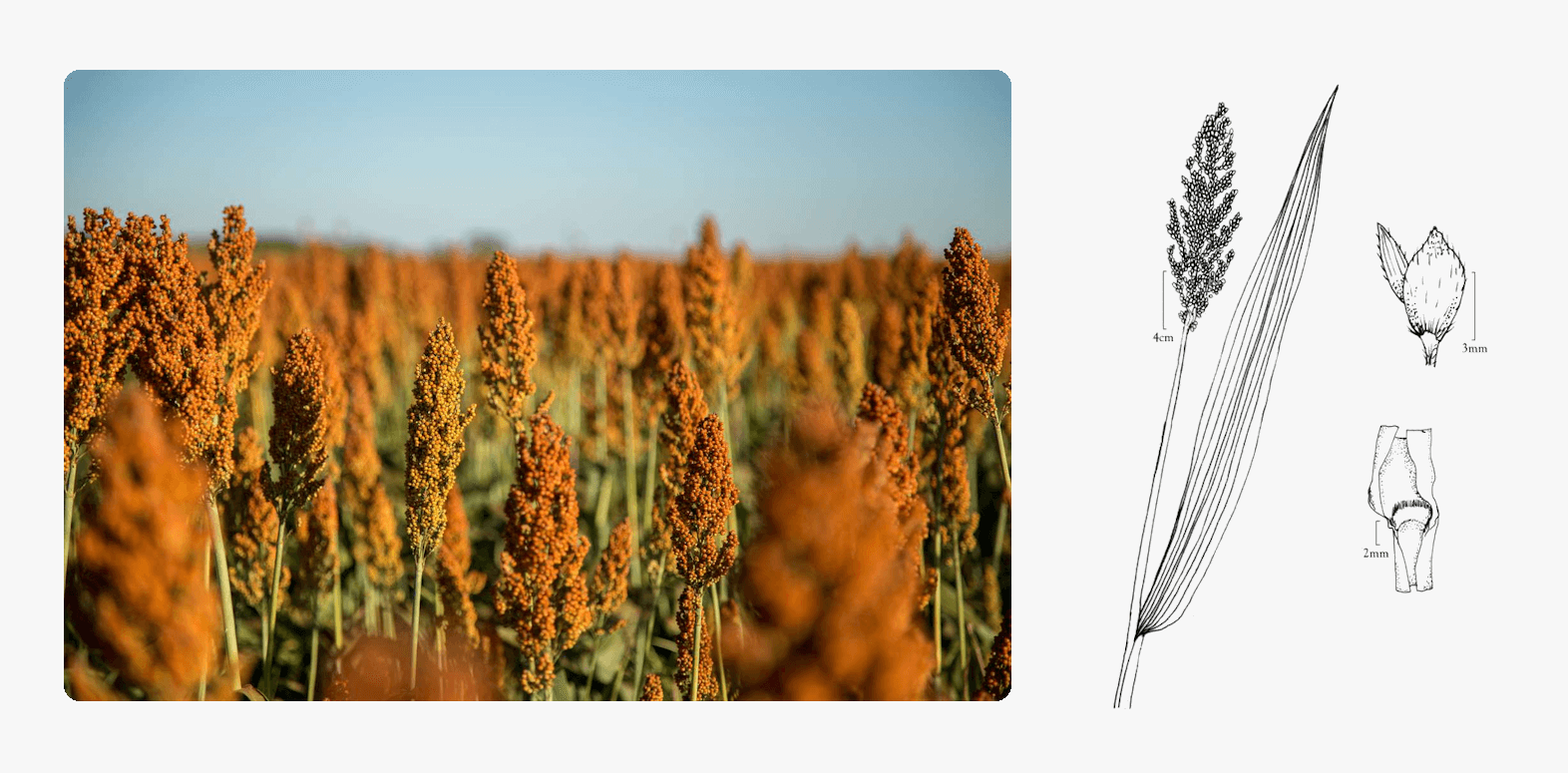
Sorghum
Sorghum Identification
- Broad leaves
- Robust stems
- 0.6-2.4 meter height
- Stalks coated with a wax
Sorghum is a robust, drought-tolerant grass recognized for its broad leaves and sturdy stems, making it ideal for arid and dry regions. It thrives in warm soils above 16°C and is best sown in summer months.
Sorghum is highly versatile, serving as fresh feed, silage, or hay, and its high sugar content makes it palatable to livestock. Forage sorghum, in particular, grows tall and thick, offering nutrient-rich feed with water-use efficiency up to 40% better than corn.
Its resilience to heat and drought makes it a cost-effective choice for Australian graziers.
Sorghum-Sudangrass Hybrids
These hybrids combine the hardiness of sorghum and the digestibility of sudangrass, offering intermediate plant size and multi-use potential for grazing, haylage, or silage. While yielding slightly less than forage sorghum, they remain a valuable summer forage option.
Ryegrass varieties (italian, annual, and perennial)
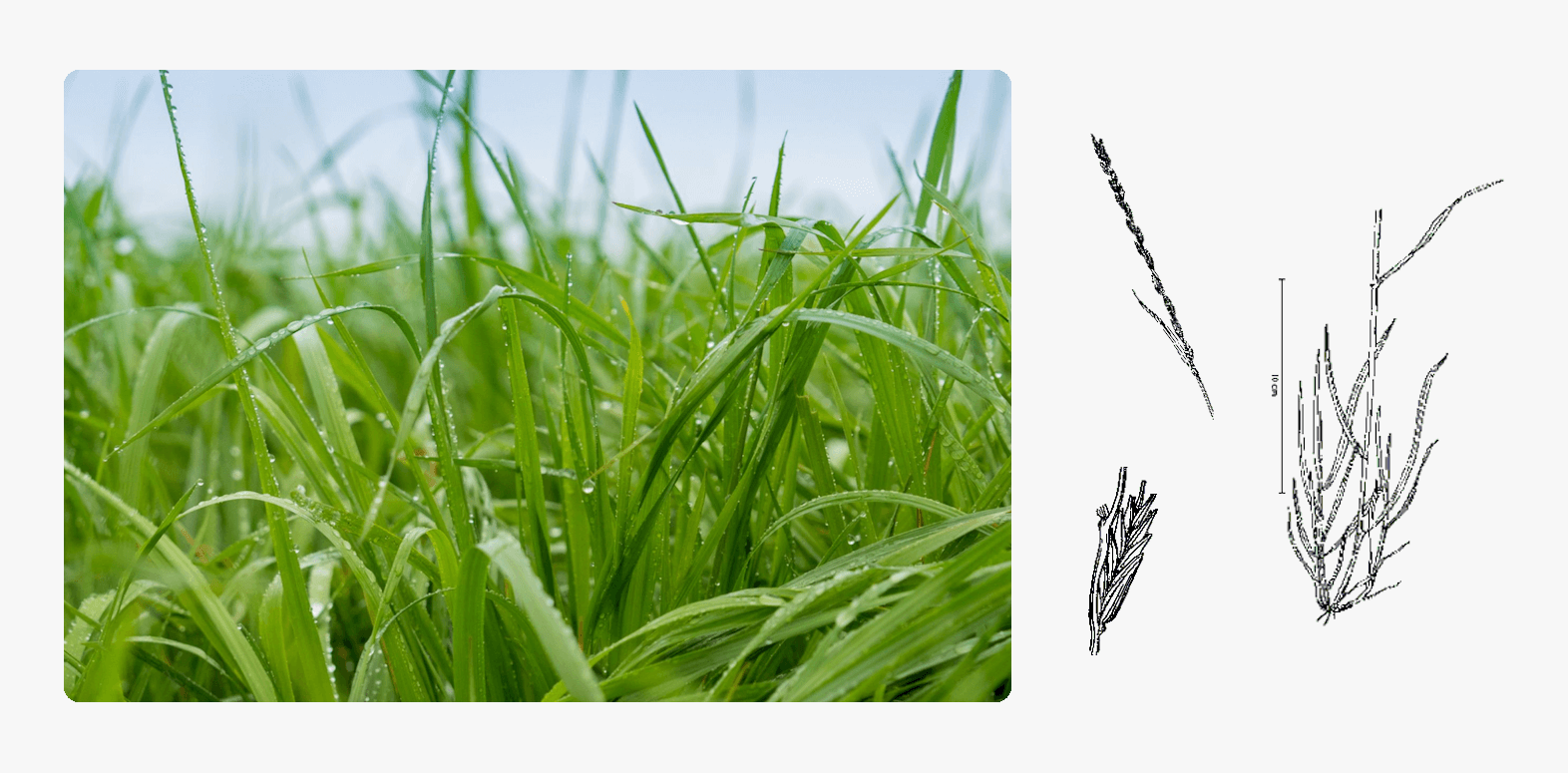
Ryegrass Identification
- Fine texture
- Glossy underside
- Folded vernation
- Boat-shaped tip
- Narrow, linear leaves
- 0.3-1 meter height
Ryegrass varieties, including annual, Italian, and perennial types, are valued for their superior feed quality, palatability, and adaptability to cooler, wetter climates. Preferring fertile soils with a pH of 5.5–7.0 and adequate moisture, ryegrasses enhance livestock productivity while providing excellent ground cover and erosion control.
Identified by their fine texture, glossy undersides, folded vernation, and boat-shaped tips, these grasses suit various grazing systems.
Annual ryegrass establishes quickly but lasts less than a year, Italian ryegrass offers extended growth into late autumn with a 1.5–2-year lifespan, and perennial ryegrass provides sustainable, year-round nutrition for over five years in ideal conditions.
Phalaris
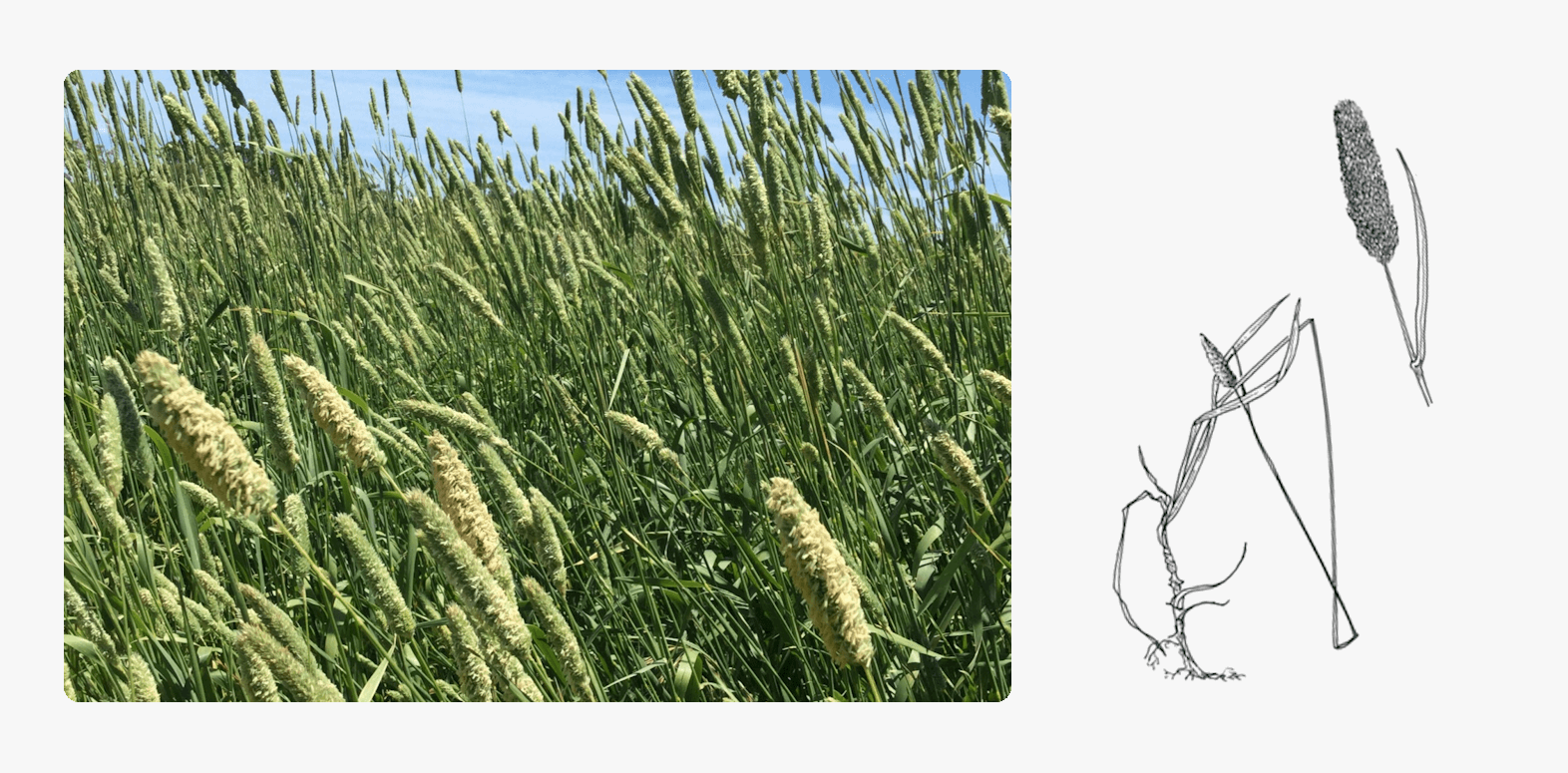
Phalaris Identification
- Thick blades
- purple or reddish base (when leaf is pulled from the sheath)
- Flowers in 3-7 spikelets
- Leaves are lance-shaped
- Leaves are light green to bluish-green
- 0.6-2 meter height
Phalaris is a hardy perennial grass thriving in late autumn, winter, and spring, ideal for challenging conditions like drought, salinity, and waterlogging. With thick blades and a distinctive salmon-pink base, it provides reliable, high-quality feed, particularly in cooler climates.
Winter-active varieties are productive and suited for dryland grazing, while winter-dormant types offer persistence in summer rainfall areas.
Though versatile, phalaris requires careful grazing management to prevent toxicity risks, especially after the autumn break. Often sown with ryegrass, cocksfoot, and clovers, it enhances pasture diversity and remains a resilient choice for sustainable grazing systems.
Tall Fescue
Fescue Identification
- Coarse texture
- Prominent ridges on lead blades
- Dark green to bluish-green leaves
- 0.6-1.5 meter height
Tall fescue is a robust, deep-rooted perennial grass well-suited to diverse conditions, including drought, salinity, waterlogging, and various soil types. It performs best under moderate to high rainfall or irrigation but remains resilient in summer moisture-limited areas where perennial ryegrass may struggle. Though slow to establish, tall fescue provides high- quality, digestible pasture when managed correctly, particularly when combined with clovers, cocksfoot, or phalaris.
There are two main types: summer-active varieties thrive in hot, saline, or poorly drained soils, offering strong spring and summer growth, while winter-active varieties excel in dryland conditions, delivering superior winter and spring productivity. Proper management ensures its persistence and feed quality, despite its coarse texture and prominent ridged leaf blades.
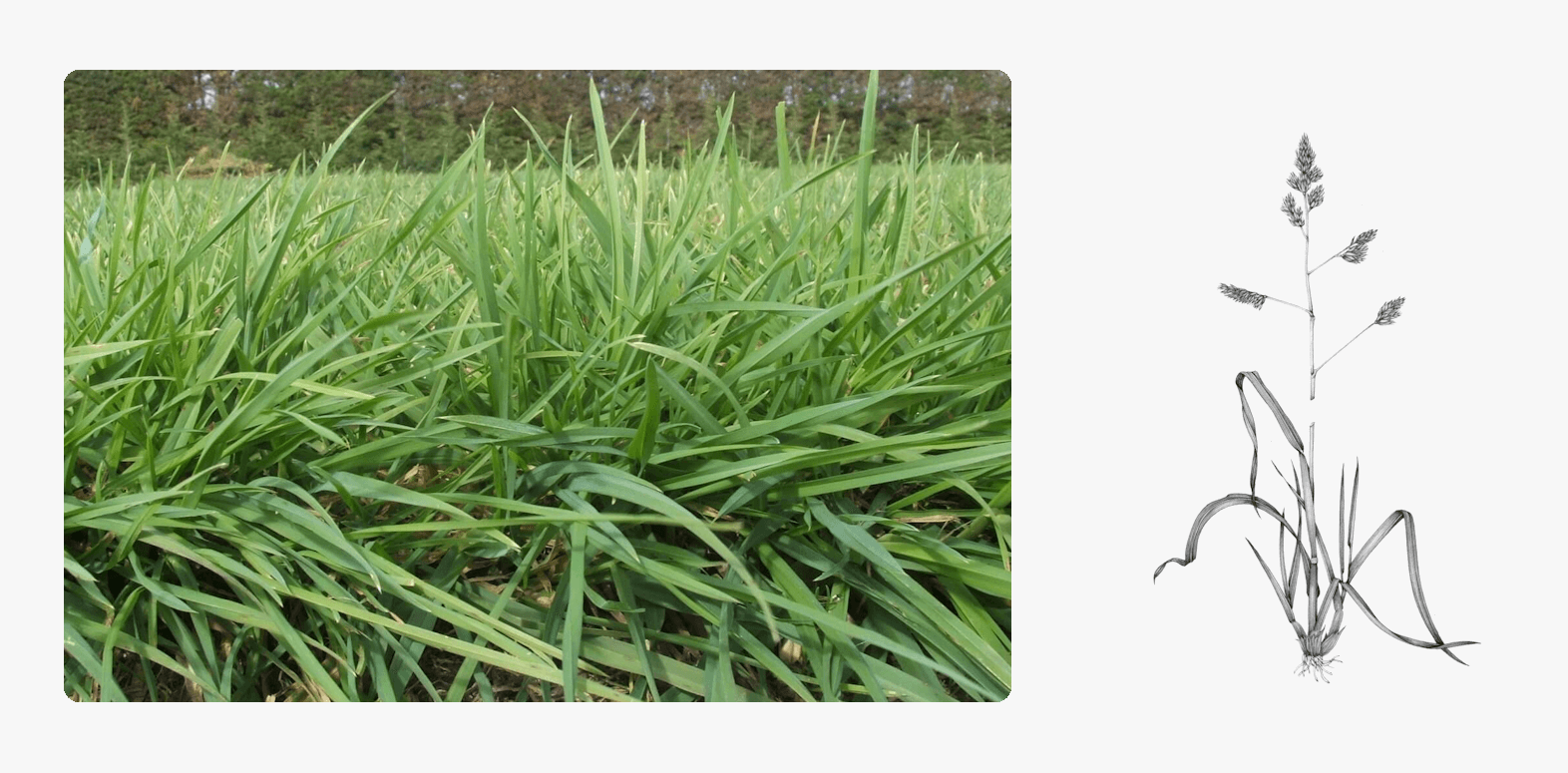
Cocksfoot
Cocksfoot Identification
- Flat broad leaves
- Smooth 20-30cm leaves
- Erect, solid stem
- Purple-tinged stem base
- 0.6-1.2 meter height
Cocksfoot is a hardy, persistent perennial grass that thrives under moisture stress, moderate soil fertility, and in sandy or acidic soils.
Its resilience makes it an excellent addition to pasture mixes with ryegrass and clovers, particularly in low to medium rainfall areas.
While slow to establish and less digestible than some grasses, cocksfoot provides valuable summer feed and strong year-round growth, especially in dry conditions. It is pest-resistant, tolerant to drought, and compatible with other pasture species, offering reliable forage with proper grazing management.
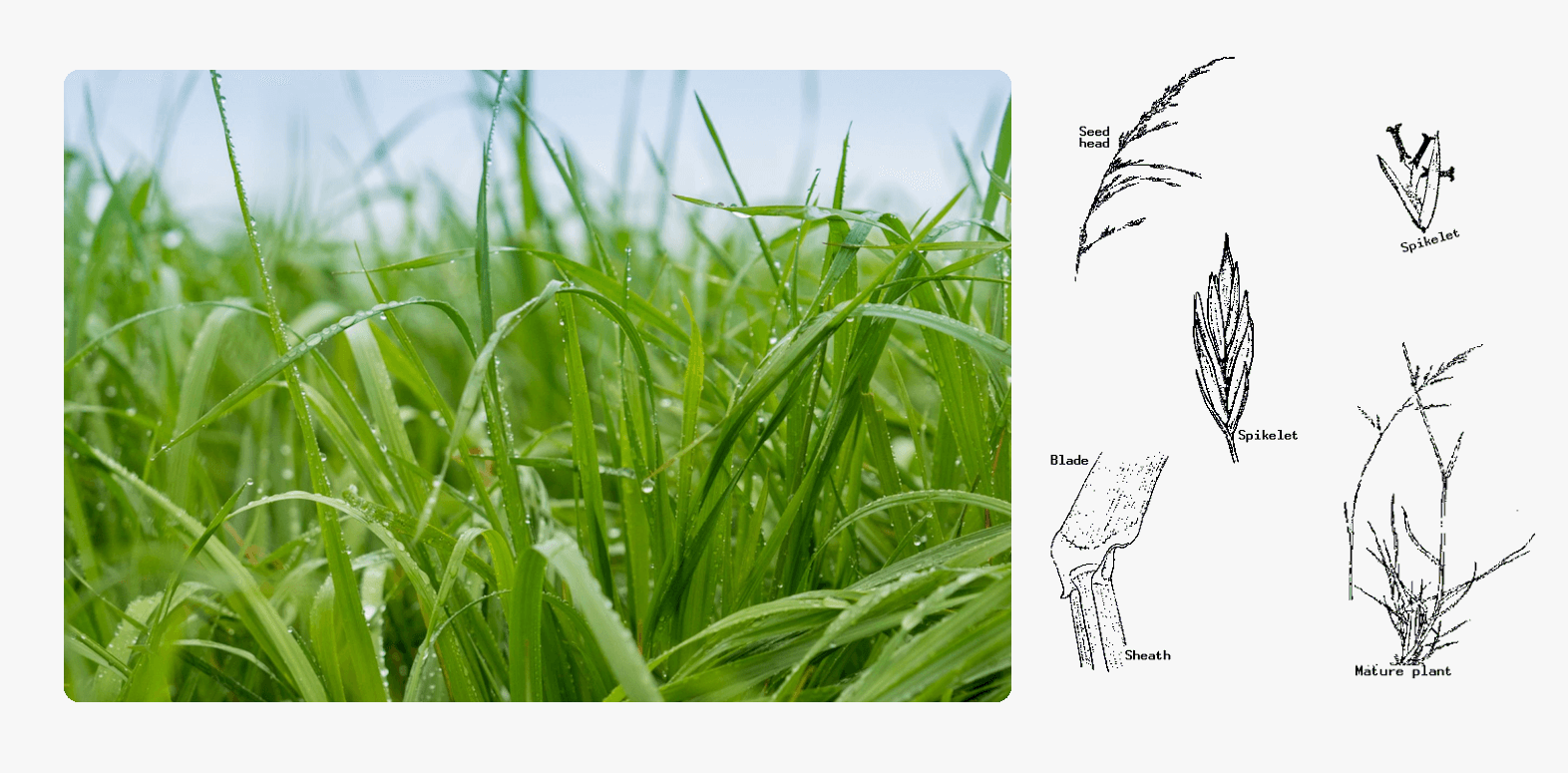
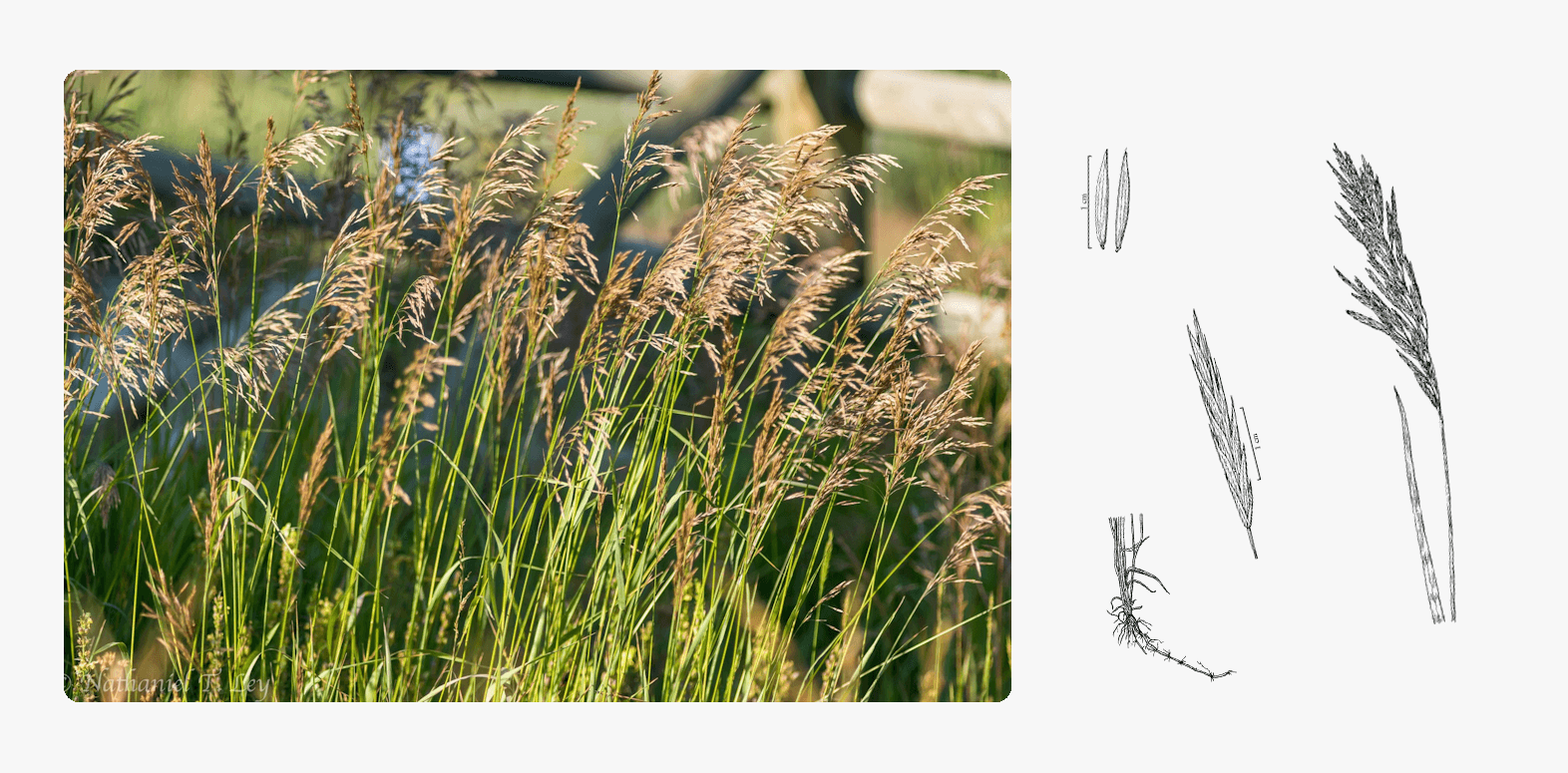
Brome Grass
Brome Grass Identification
- Long, drooping leaves
- Open panicle seed head
- Hairy or awned lemmas
- 0.6-1.2 meter height
Brome grass is a versatile, cool-season perennial that excels in rotational grazing systems and diverse soil types. It is closely related to prairie grass and features a dense, fine-tiller habit that ensures persistence under harsh conditions and heavy grazing.
Best suited for well-drained soils with moderate fertility, brome grass offers palatable, high- quality forage for livestock, particularly in cooler months. Proper management, including regular grazing or cutting and avoiding overgrazing, supports its vigour and productivity. Ideal for grazing, hay, and silage, brome
Assessing your Farm for suitable grass options
To ensure your pastures meet your livestock’s nutritional needs, start by evaluating your farm’s soil type and local climate.
Steps to Take:
- Assess Soil and Climate Understand your soil’s drainage, fertility, and pH, along with your local weather conditions.
- Determine Cattle Nutritional Needs Identify the type of grass that will provide the energy, protein, and fiber your cattle require.
- Research Grass Species Learn about different grasses like ryegrass, phalaris, tall fescue, and tropical grasses, and their growth habits and climate preferences.
- Shortlist Suitable Grasses Based on your findings, choose grasses that align with your soil type and climate.
- Test Soil Fertility Conduct soil tests to ensure your chosen grasses will thrive.
- Plant and Monitor Plant the selected grasses and closely monitor their growth and how well cattle graze.
- Implement Rotational Grazing Use rotational grazing to prevent overgrazing and promote pasture regrowth.
- Regular Soil Testing Test your soil regularly to identify any nutrient deficiencies and make necessary adjustments.
- Rejuvenate Pastures Maintain healthy pastures through reseeding and other rejuvenation practices. By following these steps, you’ll create a sustainable and productive grazing system that supports your cattle’s health and your farm’s long-term profitability.
Pasture Grass suitability guide for Australian Conditions
Selecting the right grass for your cattle in Australia depends on various factors, including your farm’s climate and your livestock’s nutritional needs. Different grass varieties offer unique benefits, growth patterns, and resilience to specific climatic conditions.
Grass Choices for Cooler and Wetter Regions of Australia
In cooler, wetter regions, perennial ryegrass is a top choice for its high palatability and nutritional content. This grass provides excellent feed value, supporting improved livestock health and productivity. However, its success is best suited to areas with consistent moisture and cooler temperatures.
Grass Choices for Drier Conditions in Australia
For farms experiencing drier conditions, sorghum is a more suitable option. Known for its drought tolerance, sorghum thrives in arid environments, providing a reliable feed source during dry spells. Its high leaf-to-stem ratio makes it highly digestible, offering essential nutrition to cattle in challenging weather conditions.
Other Grass Options
- Phalaris and tall fescue are hardy options that can withstand varying weather conditions, including drought and poor soil fertility.
- Cocksfoot offers resilience in dry conditions and performs well in low-medium rainfall areas, making it ideal for mixed grazing systems.
- Brome grass thrives in cooler months and provides high-quality forage, making it a strong choice for rotational grazing systems.
Understanding your soil type, climate, and livestock requirements will help you determine which grass species will thrive and provide the best nutrition throughout the year.
Pasture Grasses for Australian Livestock
Cattle
Cattle are best suited to pastures rich in grasses, as they graze to a height of 3-5 cm. Introduced temperate grasses such as ryegrass, cocksfoot, phalaris, tall fescue, and prairie grass are ideal for southern Australia. For northern regions, tropical grasses like rhodes grass, digit grass, and kikuyu are more suitable.
Pastures for cattle should ideally contain legumes like clover, lucerne, or tropical legumes, which enhance forage quality and fix atmospheric nitrogen. However, pastures with active legumes over 30% can increase the risk of bloat. Farmers can manage this with strategies like using sheep to graze legumes first, followed by cattle.
Here is a guide specific to cattle nutrition in Australia.
Sheep
Sheep prefer pastures with dense grasses, as they graze closer to the ground and are more selective than cattle. The primary grasses used for sheep include cocksfoot, ryegrass, tall fescue, and phalaris.
Tropical grasses, when well-managed, like kikuyu, paspalum, and rhodes, can also be useful. Sheep naturally consume more legumes than grasses, with an ideal pasture mix containing 30% grasses and 70% legumes. Source: Farmstyle
Herbs such as chicory and plantain are also beneficial, as sheep can graze them without causing damage to the pasture.
Horses
Horses are selective grazers, preferring grasses over clovers and herbs. Their hard hooves can cause uneven grazing and thinning in pastures. Pastures for horses should have a higher proportion of grasses like ryegrass (without endophyte), prairie grass, and cocksfoot. Horses graze areas unevenly, leaving patches tall and others short. To maintain balanced pastures, cattle can help even out grazing, while harrows can spread manure and speed up pasture recovery. The NSW Department of Primary Industries has put together this guide on horse specific pastures.
A Summary of Australian Pasture Grasses
Selecting the right pasture grasses is crucial for maintaining healthy, productive livestock and sustainable grazing systems in Australia’s diverse climates. Different regions require tailored grasses; perennial ryegrass for cooler areas, sorghum for drought-prone regions, and hardy options like phalaris and tall fescue for varying conditions. Native grasses provide resilience, while introduced species offer higher yields but need more management.
By understanding your soil type, climate, and livestock needs, you can choose grasses that will thrive year-round. A mix of grasses, combined with good grazing management, ensures optimal pasture performance and long-term farm sustainability.