What Do Cows Eat? A Guide to Cattle Nutrition in Australia
Learn about the dietary needs of cattle in Australia, including key feed components, seasonal variations, and sustainable feeding practices
Understanding what cows eat is crucial for successful cattle farming and optimal livestock management in Australia.
What Do Cows Eat? A Guide to Cattle Nutrition in Australia
As anyone involved in farming or livestock management knows, what cows eat can have a profound impact on their health, productivity, and the quality of milk or meat they produce. In Australia, where environmental factors and available resources play a major role in determining what cattle eat, it's essential to understand the dietary needs of cows and how to optimize their nutrition.
Key Components of a Cow's Diet
Cows are ruminants, meaning their stomachs are specially adapted to process fibrous plant materials. Their primary diet typically includes:
1. Forage (Grass and Hay)
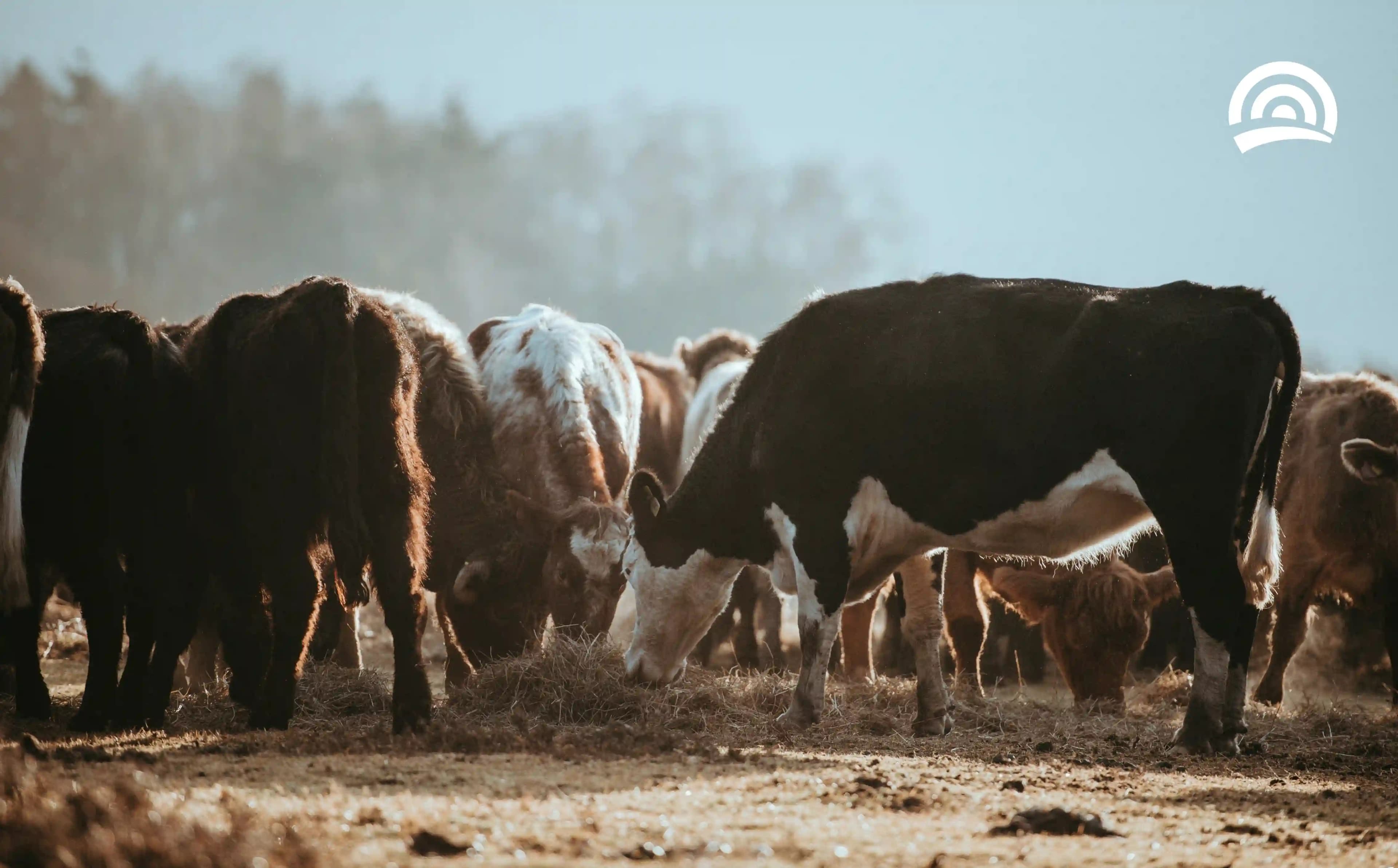
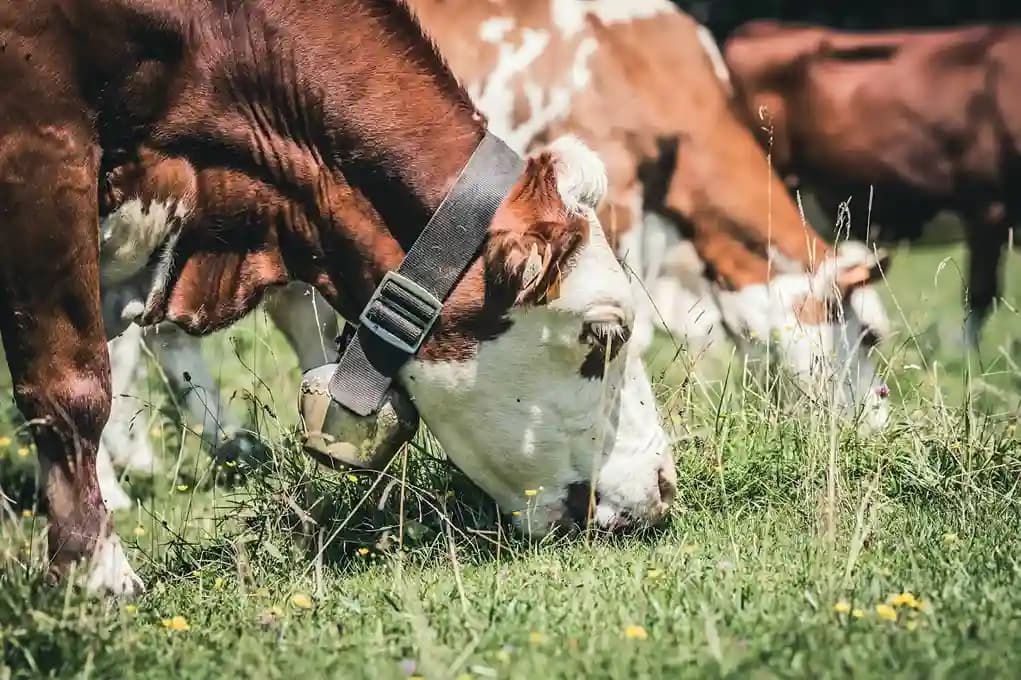
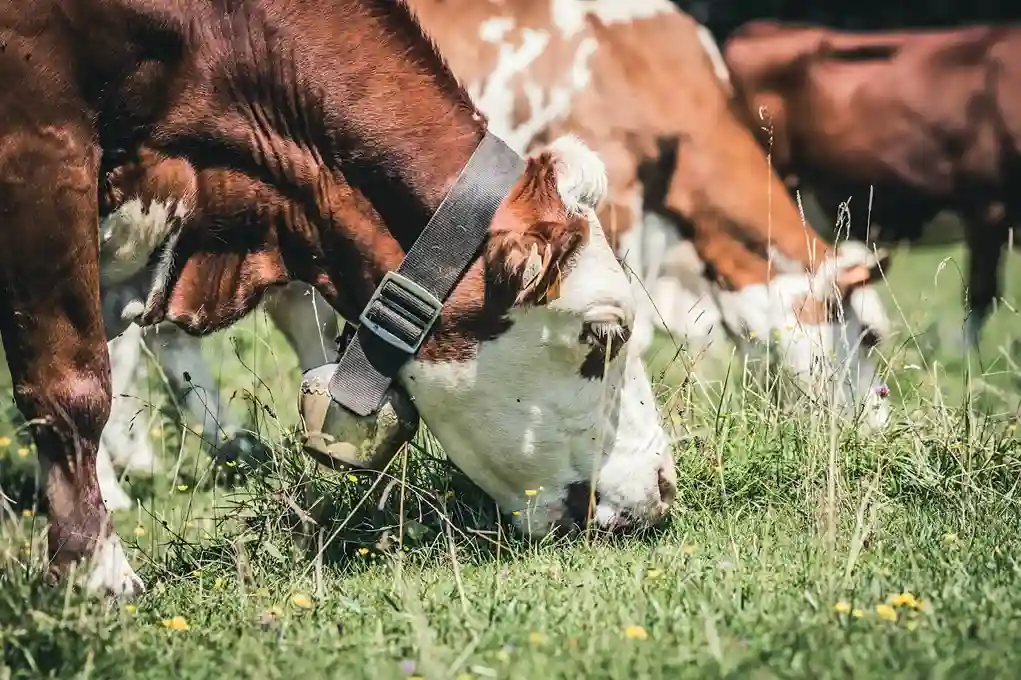
- Pasture Grass: In Australia, cows graze on a variety of native and introduced pasture grasses, such as ryegrass, clover, and kikuyu. Grazing is often the most cost-effective way to feed cows and provides them with a high-fibre, nutrient-rich diet.
- Hay: During drier seasons or droughts, hay is often used as a substitute for pasture grass. Hay retains essential nutrients and is easy to store, making it an excellent option for sustaining cows when fresh forage is unavailable.
2. Silage
Silage is a type of preserved forage made from grasses or legumes that are cut, compacted, and stored in anaerobic (oxygen-free) conditions to ferment. This fermentation process helps retain nutrients and provides cows with a high-energy food source during times of scarcity.
3. Grains and Concentrates
Grains like barley, corn, and sorghum are often added to a cow's diet to boost their energy intake, especially for dairy cows or beef cattle that require higher nutrient levels. Concentrates can also include protein sources like soybean meal or cottonseed, helping to balance protein and energy needs.
4. Supplements and Minerals
Australian soil is sometimes deficient in minerals like phosphorus, calcium, and magnesium. Providing mineral supplements helps maintain optimal health and productivity. Vitamin supplements, such as Vitamin A, D, and E, can also be essential, especially if cows are grazing on low-quality forage.
5. Byproducts
In Australia, byproducts like molasses, cottonseed hulls, and even brewery waste are sometimes used to supplement a cow's diet. These byproducts provide additional calories and can reduce feed costs, but they must be introduced gradually to avoid digestive issues.
Seasonal Variations in Cow Diets
Australia's climate poses unique challenges and opportunities for cattle feeding:
- Spring and Summer: In many parts of Australia, spring provides abundant pasture growth, while summer often brings heat and drought. During these times, grazing management is crucial to avoid overgrazing and to maintain pasture health.
- Autumn and Winter: Many farmers switch to hay and silage during the cooler months when pasture growth slows. This ensures cows continue to receive necessary fibre and calories, even in adverse weather.
Feeding Requirements for Different Types of Cattle
1. Dairy Cows
Dairy cows require more energy and protein to maintain milk production. This typically means feeding a combination of high-quality pasture, silage, and grain supplements. Dairy farmers in Australia often use feed ration formulations to meet the specific energy and protein demands of lactating cows.
2. Beef Cattle
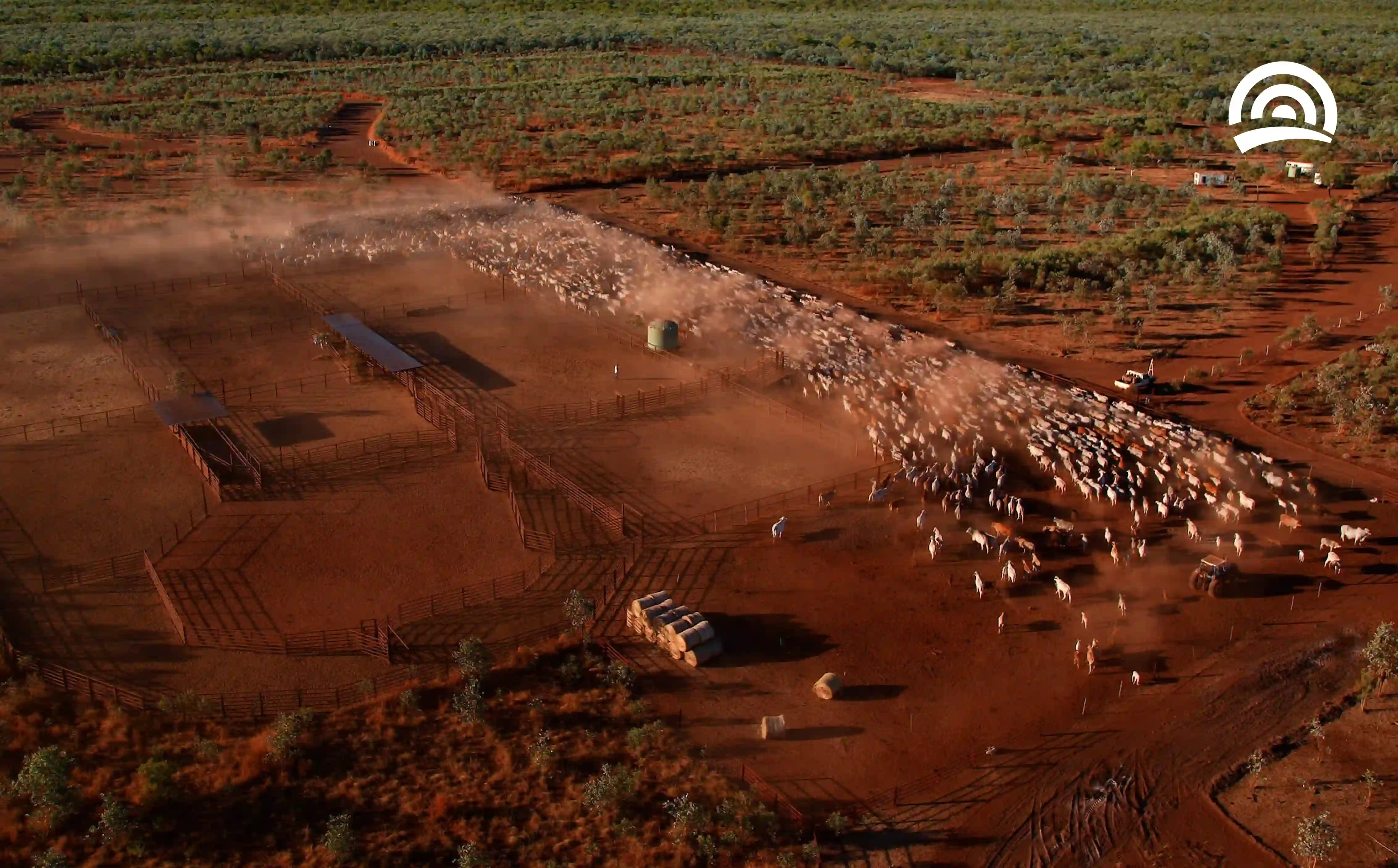
Beef cattle are typically less demanding than dairy cows in terms of their nutritional needs. Grazing on quality pasture and having access to supplemental hay during lean seasons is often sufficient. However, to optimize weight gain for market, some beef producers also add grains and concentrates to their cattle's diet.
3. Young Calves
Calves require milk from their mothers or milk replacers to grow and develop properly. As they transition from milk to solid foods, calves should be introduced gradually to high-quality hay, grains, and eventually pasture.
Sustainable and Cost-Effective Feeding Practices
In recent years, sustainable feeding practices have become a priority for many Australian cattle producers. Here are some tips for sustainable cattle feeding:
- Rotational Grazing: Rotating cows through multiple pastures allows grasses to recover between grazing periods, improving pasture longevity and reducing soil erosion.
- Drought-Resistant Forages: Planting drought-resistant forage varieties, such as lucerne, can help ensure cows have access to quality pasture during dry seasons.
- Byproduct Feed Inclusion: Using locally sourced byproducts as supplementary feeds can cut costs and minimize waste.
Final Thoughts on Cattle Nutrition
Understanding "what cows eat" goes beyond just knowing the types of feed available—it requires knowing the nutritional needs of different types of cattle, adapting to seasonal variations, and using sustainable practices. By following these principles, Australian cattle producers can ensure that their cows stay healthy and productive, regardless of the climate and environmental challenges.
Whether you're raising cattle for dairy or beef, meeting their dietary needs is essential to maintaining a successful and sustainable farming operation.