Sustainable Agriculture in Australia: Practices, Challenges, and Economic Impact
Sustainable agriculture is not just a buzzword; it is a transformative approach to farming that ensures food security, preserves ecosystems, and strengthens rural economies. In the Australian context, sustainable agriculture is particularly vital due to the country’s unique environmental challenges and its significant role as a global food supplier.
Exploring innovative farming strategies to balance productivity, environmental preservation, and economic growth in Australia.
What is Sustainable Agriculutre?
Sustainable agriculture refers to farming practices designed to meet the current food and textile needs without compromising future generations’ ability to meet theirs. It emphasizes the health of ecosystems, biodiversity conservation, and minimizing environmental impact.
Sustainable agriculture definition: The National Farmer’s Federation defines sustainable agriculture as the production of food and fibre which is environmentally, socially and economically responsible. This encompasses soil conservation, water management, and the ethical treatment of animals.
Sustainable Agriculture and Farming Practices in Australia
Australian farmers have adopted a variety of strategies to enhance sustainability while maintaining productivity:
-
Soil Conservation
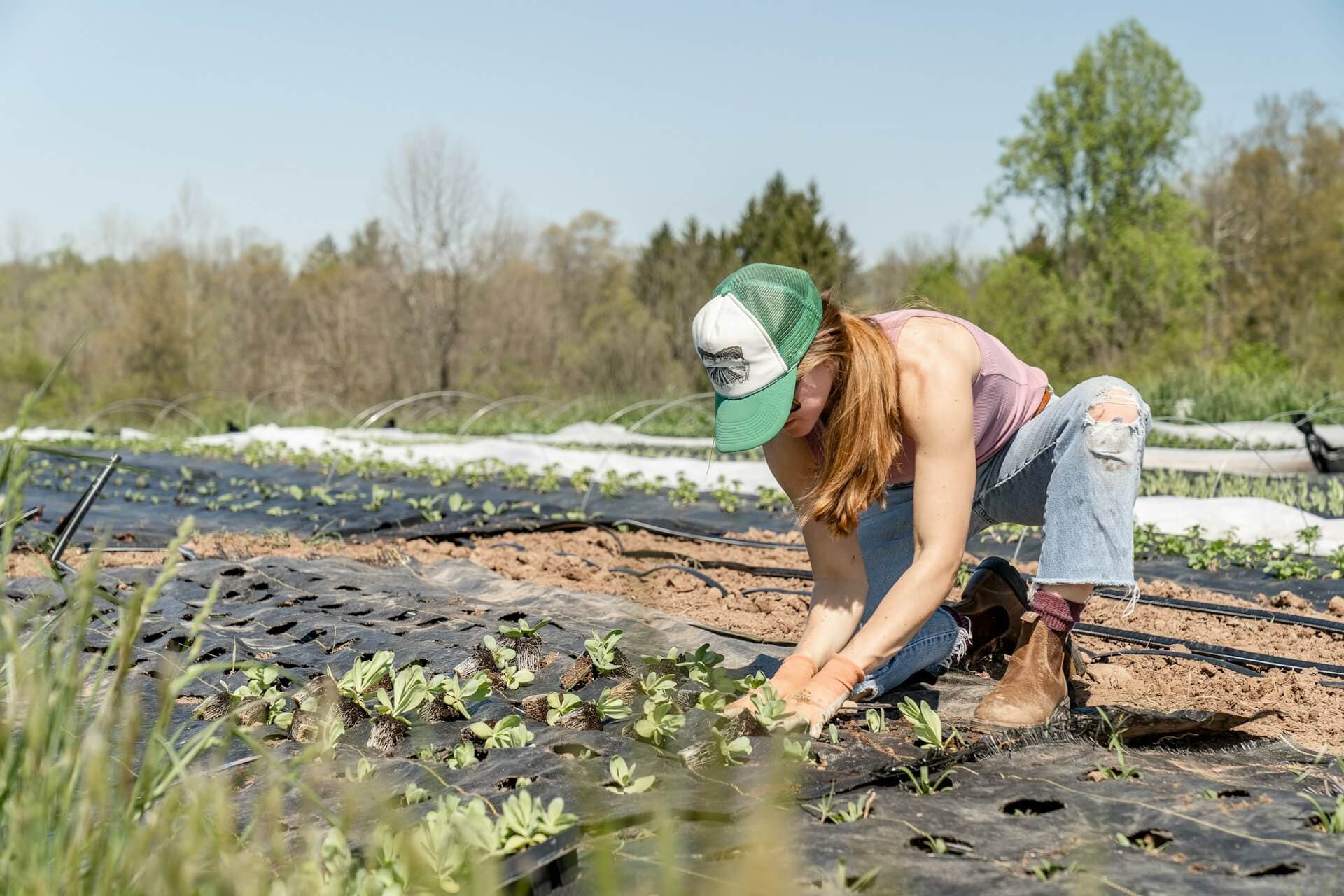
- Techniques such as no-till farming, cover cropping, and crop rotation reduce erosion and improve soil health.
- Australian Government’s soil strategy provides resources for farmers to implement best practices.
-
Water Management
- Rainwater harvesting, efficient irrigation systems, and drought-resistant crops are widely used to combat water scarcity.
- Programs like WaterSmart Farms help farmers optimize water use.
-
Biodiversity Promotion
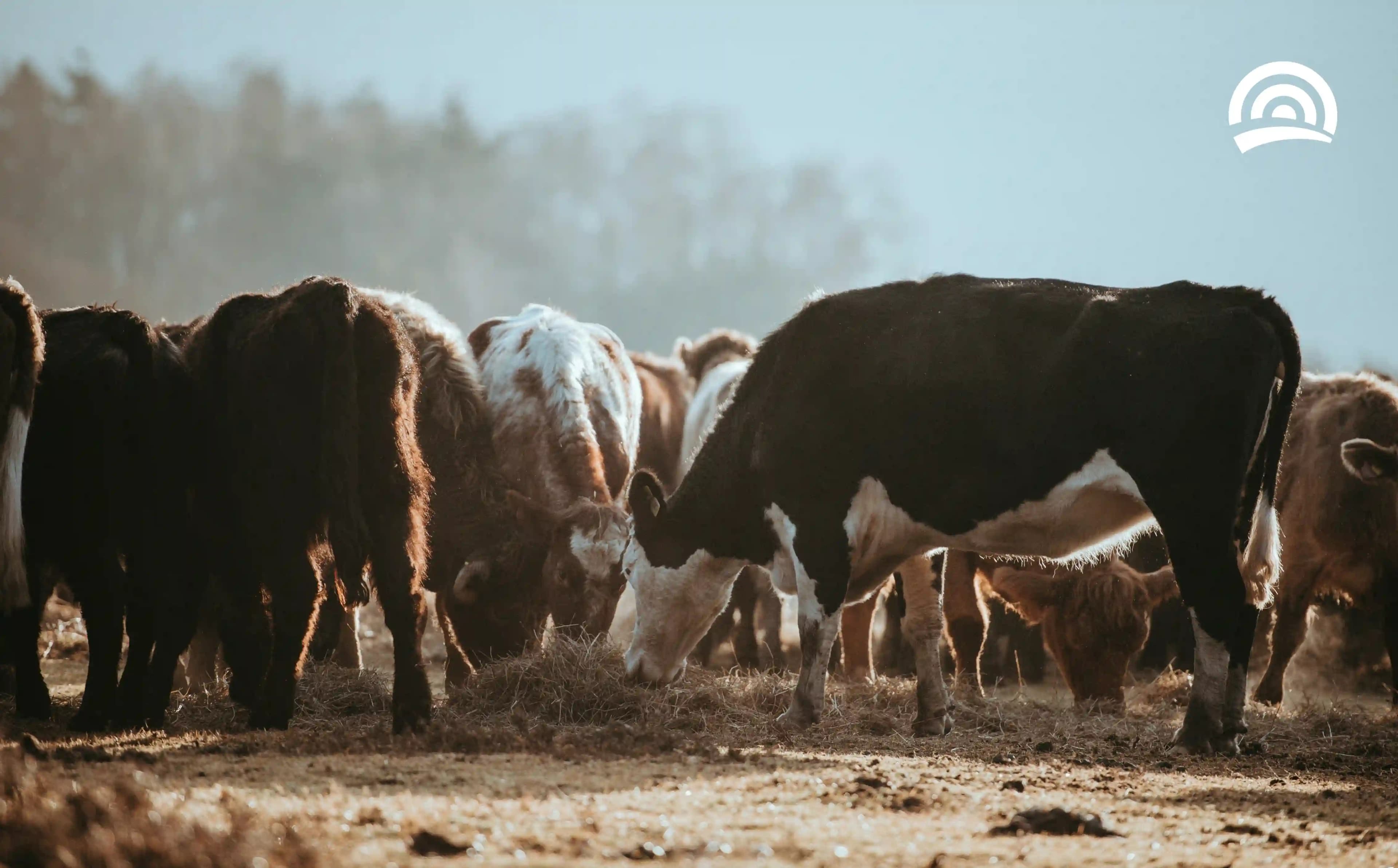
- Planting native vegetation, maintaining wildlife habitats, and rotational grazing support biodiversity and ecological balance.
-
Renewable Energy Integration
- Farmers are increasingly investing in solar panels, wind turbines, and bioenergy solutions to reduce their carbon footprint.
Challenges Associated with Sustainable Agriculture in Australia
Transitioning to sustainable agriculture comes with hurdles, including:
-
Climate Variability
- Unpredictable weather patterns, prolonged droughts, and bushfires pose risks to sustainable farming practices.
-
Economic Pressures
- High initial costs for sustainable technologies and practices can deter small- scale farmers.
-
Knowledge Gaps
- Access to education and resources about sustainable farming methods varies across regions.
-
Market Demand
- Limited consumer awareness about sustainably produced goods affects demand and profitability.
Economic Impact of Sustainable Agriculture
Sustainable agriculture not only benefits the environment but also contributes positively to the economy:
-
Increased Farm Profitability
- Farms using sustainable practices often experience long-term cost savings and enhanced productivity.
-
Job Creation
- Adopting new practices requires skilled labor, driving employment in rural areas.
-
Market Opportunities
- Global demand for organic and sustainably produced food is growing, offering lucrative export opportunities for Australian farmers.
The National Farmers' Federation estimates that sustainable practices could add billions to Australia’s agricultural sector over the next decade.
Addressing Agriculture and Sustainability Together
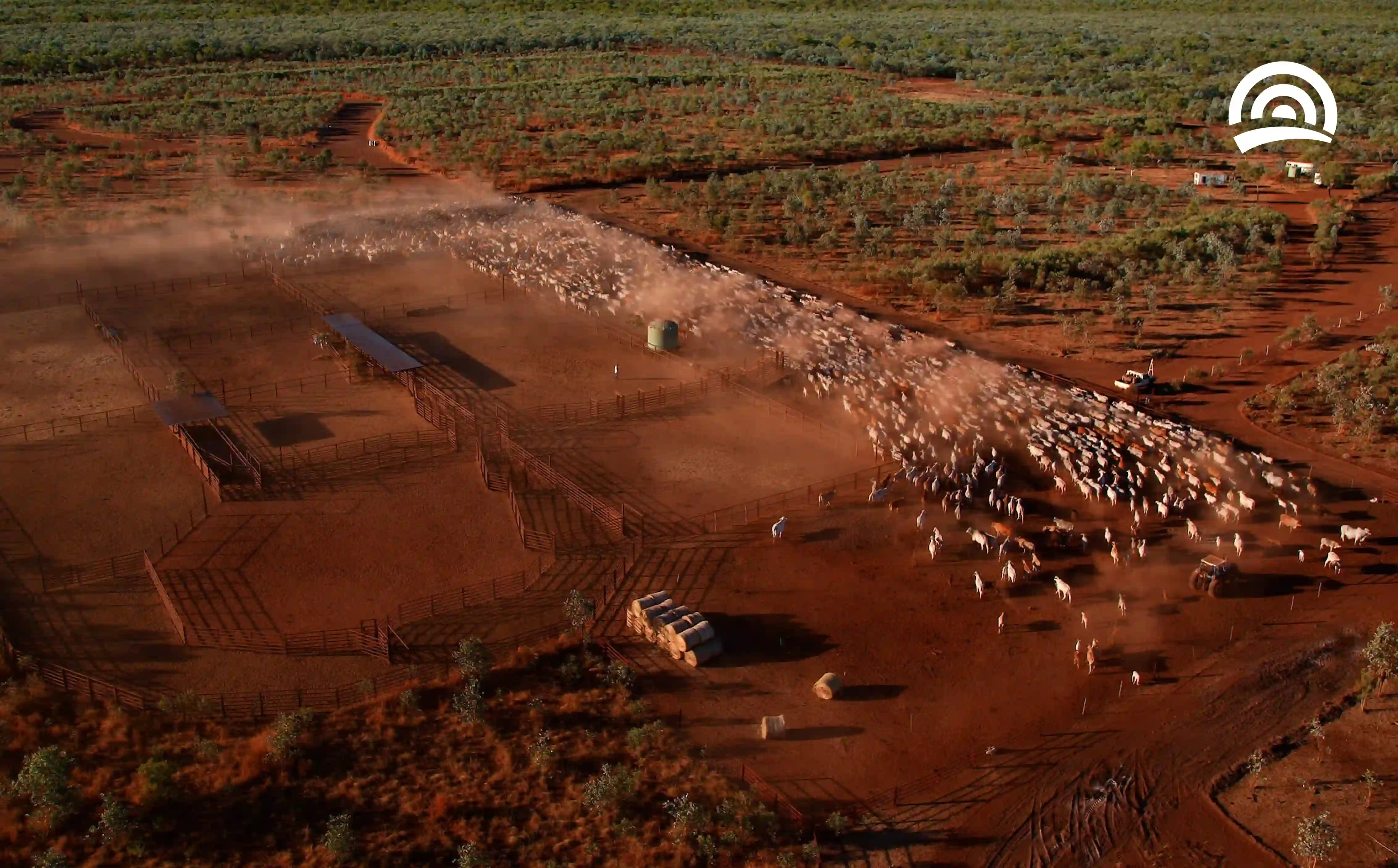
Balancing agriculture and sustainability is critical to safeguarding Australia’s environment and economy. Programs like the Grazing Resilience and Sustainable Solutions (GRASS) help farmers implement sustainable grazing systems, manage erosion, and improve land conditions.
Future Directions
-
Regenerative Agriculture
- Practices like rotational grazing and agroforestry improve soil health and carbon sequestration, making them increasingly popular.
-
Technological Innovation
- Emerging technologies, such as precision agriculture and remote sensing, enable more efficient and sustainable farming practices.
-
Policy Support
- Government initiatives and subsidies play a vital role in encouraging sustainable farming.
Conclusion Sustainable agriculture is essential for preserving Australia’s natural resources while ensuring economic viability for farmers. By addressing challenges and leveraging innovative solutions, Australia can lead the way in sustainable farming and agriculture.
For more insights and resources, visit: