What is a sheep grazier warning?
A brief overview of Sheep Grazier Warnings, their purpose, and how farmers can protect their livestock from cold, wet, and windy weather conditions.
What is a sheep grazier warning?
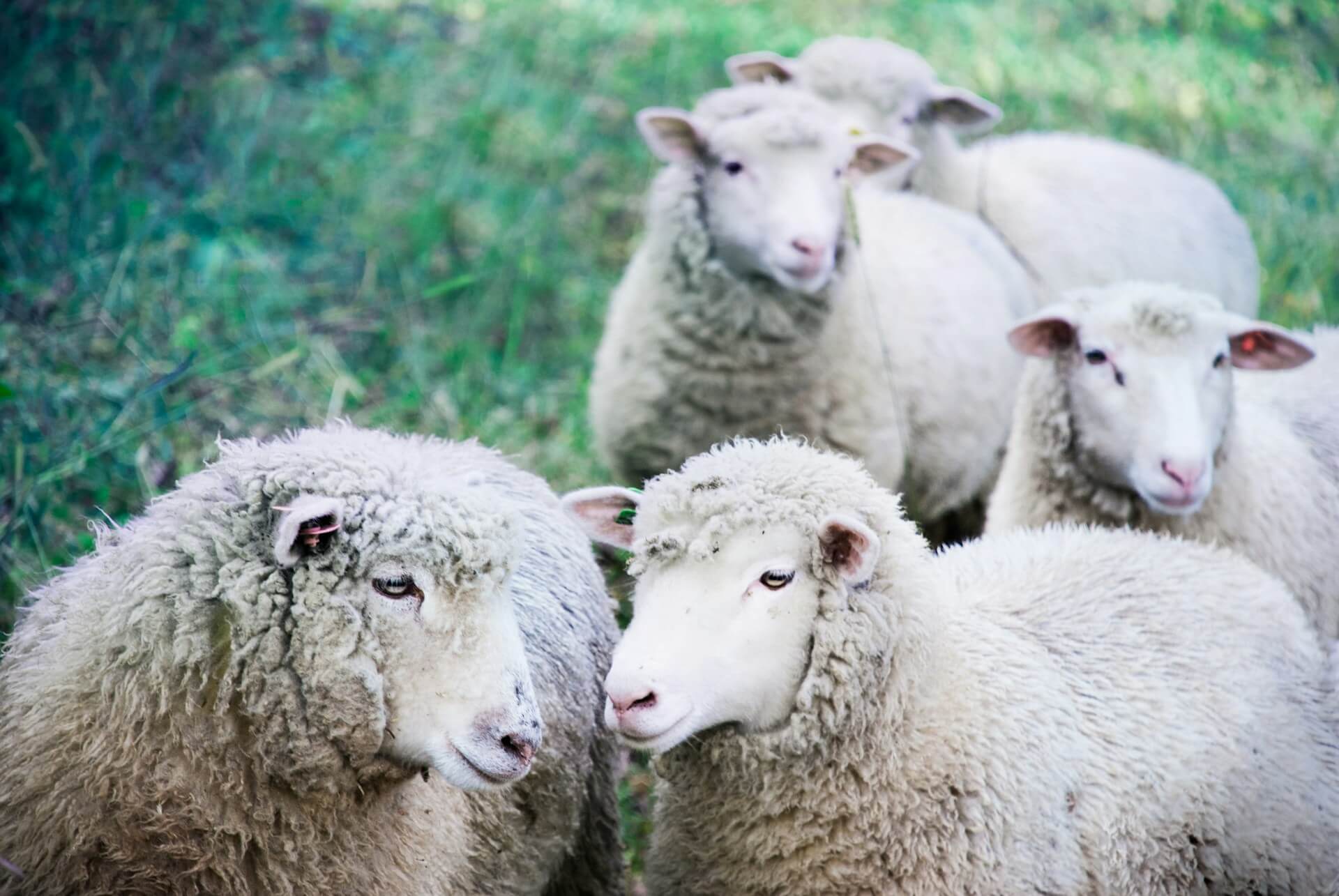
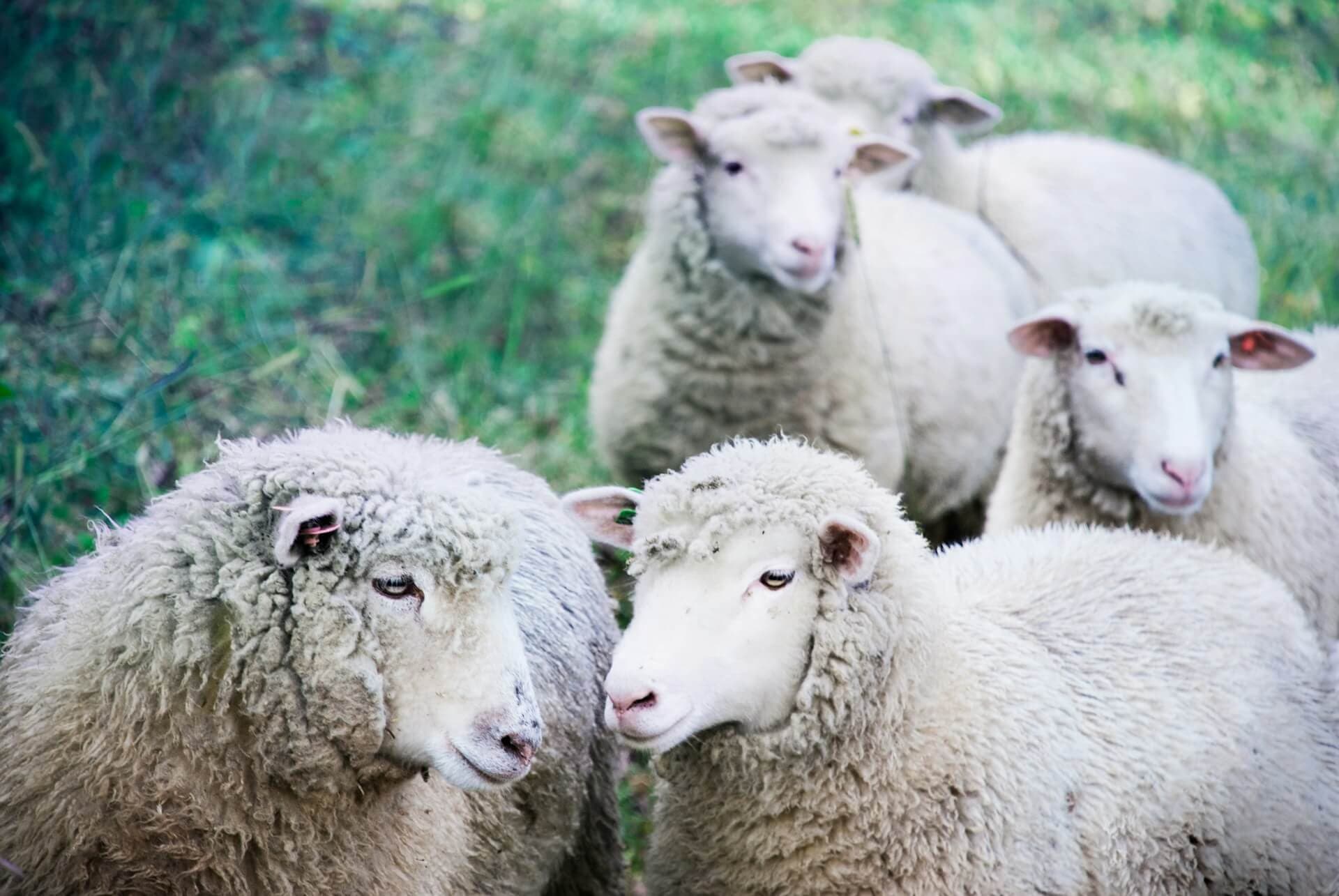
A sheep grazier warning is a critical alert issued by the Bureau of Meteorology to warn livestock farmers, particularly sheep graziers, about weather conditions that could endanger their animals. These warnings highlight the risk of death or harm to sheep due to a combination of cold, wet, and windy weather.
Why are sheep grazier warnings issued?
The primary aim of these warnings is to protect sheep from the severe effects of exposure to harsh weather conditions. Key triggers include:
- Cold Fronts: These bring plummeting temperatures, rain, and gusty winds.
- Wet Weather: Rain leaves sheep soaked, compromising their ability to regulate body temperature.
- Wind Chill: Wet wool combined with cold winds significantly increases the risk of hypothermia, especially for vulnerable sheep.
This combination of factors creates a deadly scenario, particularly for freshly shorn sheep, young lambs, and ewes in late pregnancy. Without adequate preparation, farmers could face devastating losses.
Sheep most at risk to a graziers warning
Certain sheep are more vulnerable during adverse weather. These include:
- Freshly Shorn Sheep: Without their protective wool, these sheep are exposed to the full brunt of the elements.
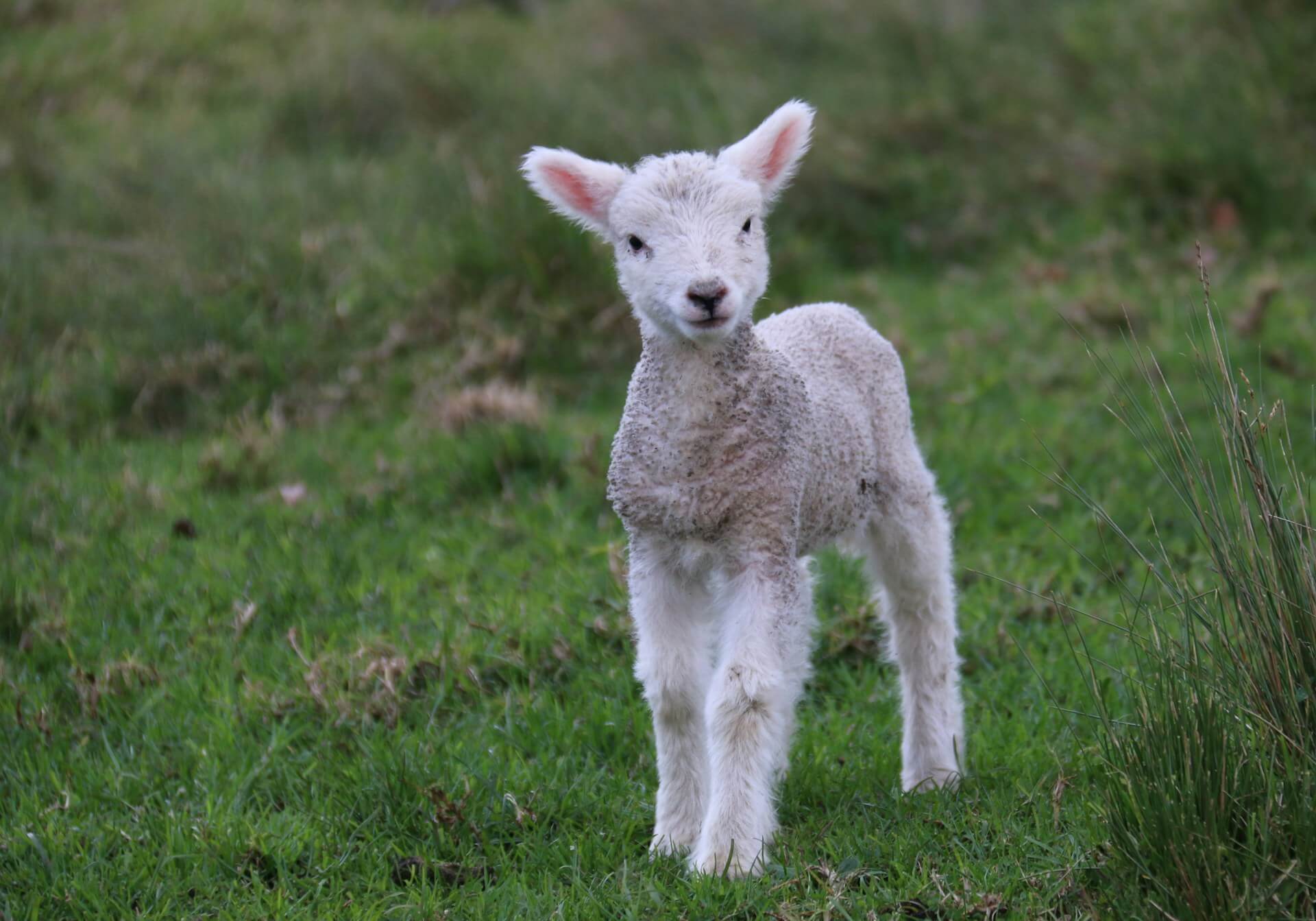
- Young Lambs: Their small size and limited fat reserves make them less able to withstand extreme conditions.
- Pregnant Ewes: Ewes in the later stages of pregnancy face additional stress and energy demands, increasing their susceptibility.
- Sheep in Poor Condition: Animals with low body fat (condition score below 2.5) struggle to stay warm.
How Farmers can respond to Sheep Grazier Warnings
Proactive measures are essential for safeguarding livestock when a sheep grazier warning is issued. Here’s what farmers can do:
- Provide Shelter:
- Move sheep to paddocks with natural windbreaks, such as trees or bushland.
- Use shearing sheds or other enclosed areas for added protection.
- Select paddocks with tall grasses to shield sheep from the wind and rain.
- Optimize Nutrition:
- Ensure access to high-quality feed, such as hay, grain, or pellets. This helps sheep generate body heat.
- Ewes in late pregnancy should graze adequately to prevent pregnancy toxaemia.
- Adjust Shearing Plans:
- Postpone shearing if severe weather is forecast.
- If shearing is unavoidable, allow sheep to take shelter overnight in a shed.
The Science Behing Sheep Grazier Warnings
Meteorologist Jessica Lingard explained in an interview with the ABC that these warnings are designed to save livestock and, by extension, a farmer’s livelihood. She likens the danger to a human emerging wet from a pool into a cold breeze—except sheep are exposed to these conditions for extended periods without relief.
The risk is particularly pronounced during prolonged wet spells or cold snaps, where sheep can succumb to hypothermia or kidney fat freezing due to extreme conditions.
How to Stay updated on warnings
Sheep graziers should regularly monitor the Bureau of Meteorology website for the latest updates. Warnings are updated frequently,