How to agist your property: A step-by-step guide to Aussie Agistment
Whether you’re new to agistment or looking to expand your existing operation, this step-by-step guide will walk you through everything you need to know—from preparing your property to setting a price and handling the legalities.
How to agist your property? This guide will walk you through everything you need to know—from preparing your property to setting a price and handling the legalities.
Agisting your property can be a great way to generate a source of income and is often highly sought after if you have the right space and resources. In fact, our research found that for every one person offering their property for agistment, there are five livestock owners searching for agistment. With demand far outstripping supply there is no surprise that listings are filled quickly.
In Australia, agistment typically refers to the practice of leasing out your land for other people's animals, commonly horses and cattle. Whether you’re new to agistment or looking to expand your existing operation, this step-by-step guide will walk you through everything you need to know—from preparing your property to setting a price and handling the legalities.
Step 1: Assess and Prepare Your Property for Agistment
Before you advertise your property for agistment, the first step is to ensure that it is both suitable and desirable for livetock agistment. The condition of your land will determine how attractive it is to potential agistees, and how much you may be able to charge.
It is also important to consider that cattle and horses both have unique requirements.
1.1 Property Size and Layout
- Cattle: Cows need more space than horses, especially if you're agisting larger herds. A minimum of 2-5 acres per head for cattle is typically recommended, though this will vary depending on the quality of your pasture.
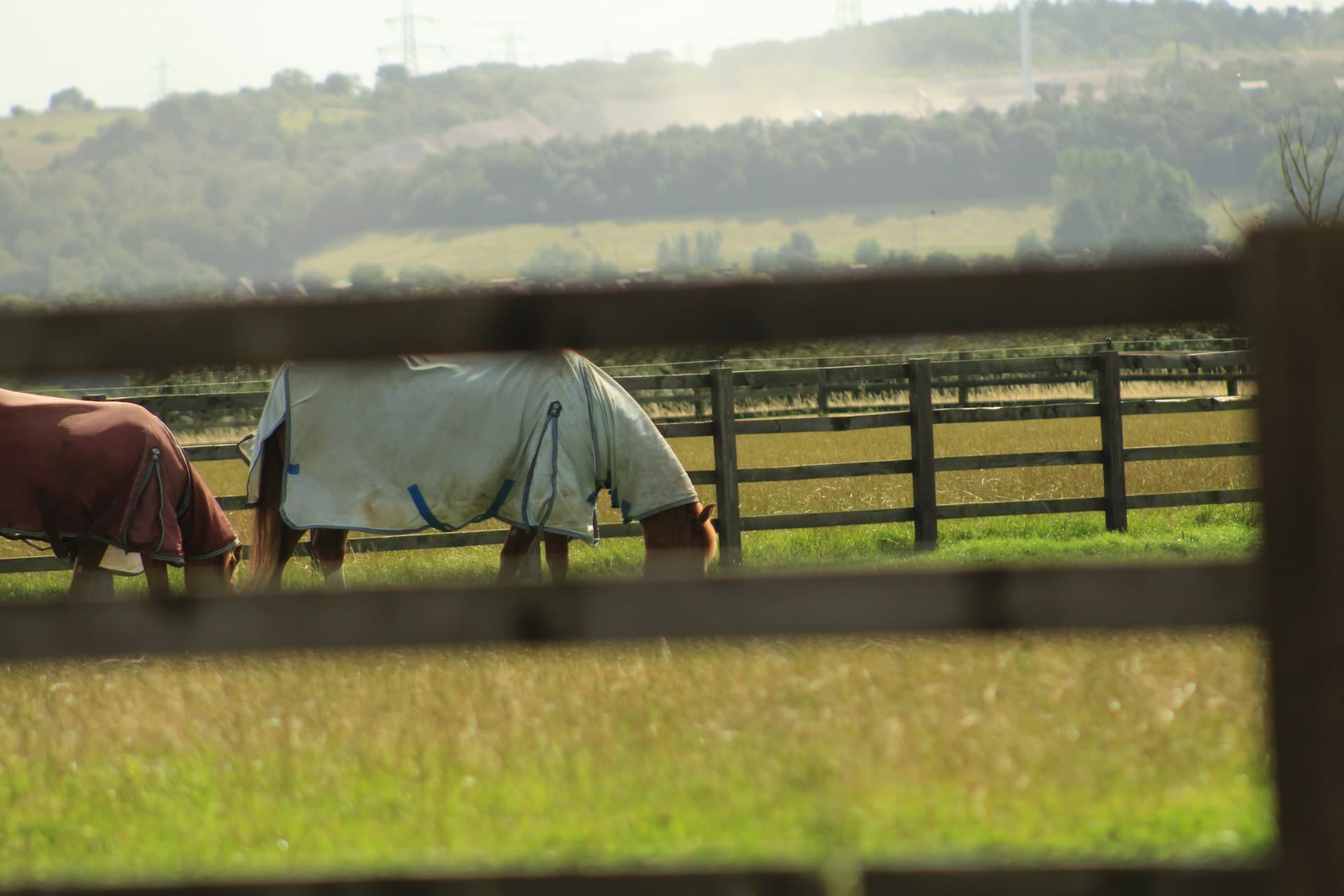
- Horses: Horses can be agisted on smaller parcels of land (typically 1-2 acres per horse), but they do need sufficient space to move and graze. Horses are social animals, so it’s often best to have a couple of horses or offer herd agistment.
1.2 Fencing and Security
- Cattle: Strong, high fences are essential to keep cows contained and to prevent themfrom wandering onto roads or neighbouring properties. Use sturdy, tall post-and-wire or electric fencing.
- Horses: Horses can be prone to escaping, so fencing needs to be horse-safe. Avoid barbed wire or fences that can trap their hooves. A combination of post-and-rail or electric fencing works best for horses.
1.3 Water Supply
Both horses and cattle need a consistent and clean water supply. Ensure that your property has access to fresh water sources, whether through dams, troughs, or a well-maintained water system. For agisting, it's vital that each animal has adequate access to water, especially during dry periods.
1.4 Shelter and Shade
- Cattle: Cows can handle sun and rain, but they need access to shelter in extreme weather conditions. A large, open shed or tree cover can provide the necessary protection.
- Horses: Horses are more sensitive to the elements. Providing access to a stable or shade from trees is essential, especially during hot summer months.
1.5 Pasture Management*
The quality of your pasture directly affects the health of the animals you agist. Make sure your pasture is well-maintained, with ample grass for grazing, especially for cattle. For horses, pasture rotation can help manage land degradation.
Step 2: Decide What Animals to Agist
Cattle
Cattle are grazers, so they require a lot of pasture, and they’re generally hardier than horses in extreme weather. If you’re planning to agist cattle, consider their breed and purpose. Dairy cattle may have different nutritional and housing needs compared to beef cattle.
- Feeding Requirements: Cattle need quality pasture and may require supplementary feed during drought or winter months. Ensure that you can provide this if necessary.
- Health Monitor: Cattle need regular health checks, including vaccinations, and deworming. Ensure that you or the agistee can maintain their general health.
Horses
Horses require different care compared to cattle. They are more prone to injuries and require more attention when it comes to shelter and feeding.
- Feeding Requirements: Horses primarily eat grass, but you might need to supplement with hay, especially in winter or dry conditions. Additionally, they may need extra feed if they are in heavy work.
- Health Monitoring: Horses need regular hoof care, dental checks, and vaccinations. Ensure that you or the agistee can maintain their general health.
Step 3: Set your Agistment Price
Pricing your agistment is a key part of making your property attractive to potential tenants while ensuring you’re covering your costs.
Understand the Market
Agistment prices can vary significantly depending on location, facilities, and the animals you’re agisting. Generally:
-
Cattle Agistment: $5 - $15 per head per week, depending on the quality of the pasture and facilities.
-
Horse Agistment: $150 - $300 per week for full agistment (including feeding, shelter, and care) or cheaper for basic agistment options, you can explore horse agistment specifics in our guide here.
Factor in Costs
Consider the ongoing costs of maintaining the land (e.g., pasture management, water systems, fencing), any infrastructure costs (stables, shelter), and your time spent managing the property.
Competitive Pricing
Do a quick market survey by checking local listings, the Farmshare website can be a great way to get a sense of listings similar to yours to ensure your pricing is competitive with the current market.
Step 4: Advertise Your Agistment Property
Once you’ve determined your price, it’s time to put the word out. The more exposure your agistment listing gets, the more likely you are to find good customers.
Online Listings
Farmshare is the number one location for online agistment. We help agistors find farms across Australia and reach out to landowners. Make sure you create a high-quality listing on Farmshare to make you property attractive to potential customers.
Social Media
If you have a farm or agistment-related social media page, be sure to advertise there. Facebook and even Instagram can help you reach a broad audience.
Word of Mouth
In rural communities, word of mouth can be powerful. Talk to local vets, feed stores, and equestrian clubs to let people know you have space for agistment. In our article Finding Agistment Near Me: A Comprehensive Guide we explore all the places to find agistment advertisements, be sure to make sure you’re taking advantage of as many options as you can.
Step 5: Screen Potential Agistees
It’s important to ensure that you’re renting your land to responsible and knowledgeable agistees. The last thing you want is a tenant who isn’t taking proper care of the animals.
Ask about their experience
Ask potential tenants about their experience in caring for the type of animals you plan to agist. For example, if you're agisting horses, make sure they understand proper horse care, including feeding, hoof maintenance,and health checks.
5.1 Conduct Site Visits
Meet with the agistee and conduct a property inspection. Allowing the agistee to view your property ahead of agreements can save a lot of time and misunderstandings further down the track. This will give you a better sense of whether they’re serious and whether their animals are suitable for your land.
Step 6: Draft a solid Agistment Agreement
An agistment agreement is crucial to protect both you and the agistee. A formal contract helps clarify the terms of the agistment, including fees, duration, and responsibilities. Word- of-mouth should be avoided as written agreement can always be relied upon in case of disagreements.
The Victorian Farmer’s Federation has prepared a sample agreement which you can view here for reference.
[Farmtable](https://farmtable.com.au/ag-library/livestock/livestock-leasing/agistment-agreements-what- to-include) states “If problems or disputes arise, agistment agreements are a crucial document to assist in resolving issues. Relying on a handshake or informal agreement can give rise to misunderstandings, conflict, and expensive legal disputes.’
Include Key Terms
- Payment Terms: Specify the amount and frequency of payment (weekly, monthly).
- Duration Agreement: How long will the animals be on your property? Is the contract renewable?
- Animal Care Responsibilities: Outline who is responsible for the animals' health and well-being (vaccinations, feeding, hoof care).
- Insurance and Liability: Address who is responsible for the animal’s injury, damage to property, or liability for accidents.
- Termination Clause: How can either party terminate the agreement?
Step 7: Maintain Regular Communication
After the agreement is signed, maintain regular communication with your agistees to ensure the animals’ needs are being met and to prevent any issues from arising.
7.1 Regular Check-ins
Schedule periodic visits to check the condition of the animals and the property. This ensures that both parties are fulfilling their obligations.
7.2 Provide Support
Be available to answer questions or help solve problems. Offering good communication builds trust and helps ensure that your agistment arrangement runs smoothly.
Step 8: Monitor and Evaluate
After your agistment operation has been running for a few months, evaluate how things are going. Is the income sufficient? Are the animals healthy and well-cared for? Use this evaluation to adjust pricing or modify your agreement as necessary.
Livestock Agistment in Australia
Agisting your property can be a profitable and rewarding venture if done correctly. By preparing your property properly, choosing the right animals, setting clear terms, and maintaining good communication, you can create a successful agistment operation that benefits both you and your customers.
Farmshare is the number one place for landowners to find and connect with agistees. You can list and manage your property on Farmshare and get your property in front of thousands of people looking for agistment across Australia.