How Much Does a Horse Cost in Australia?
A comprehensive guide for prospective horse owners, covering everything from initial purchase costs to ongoing maintenance and hidden expenses.
How Much Does a Horse Cost in Australia? Everything you need to know about buying a horse
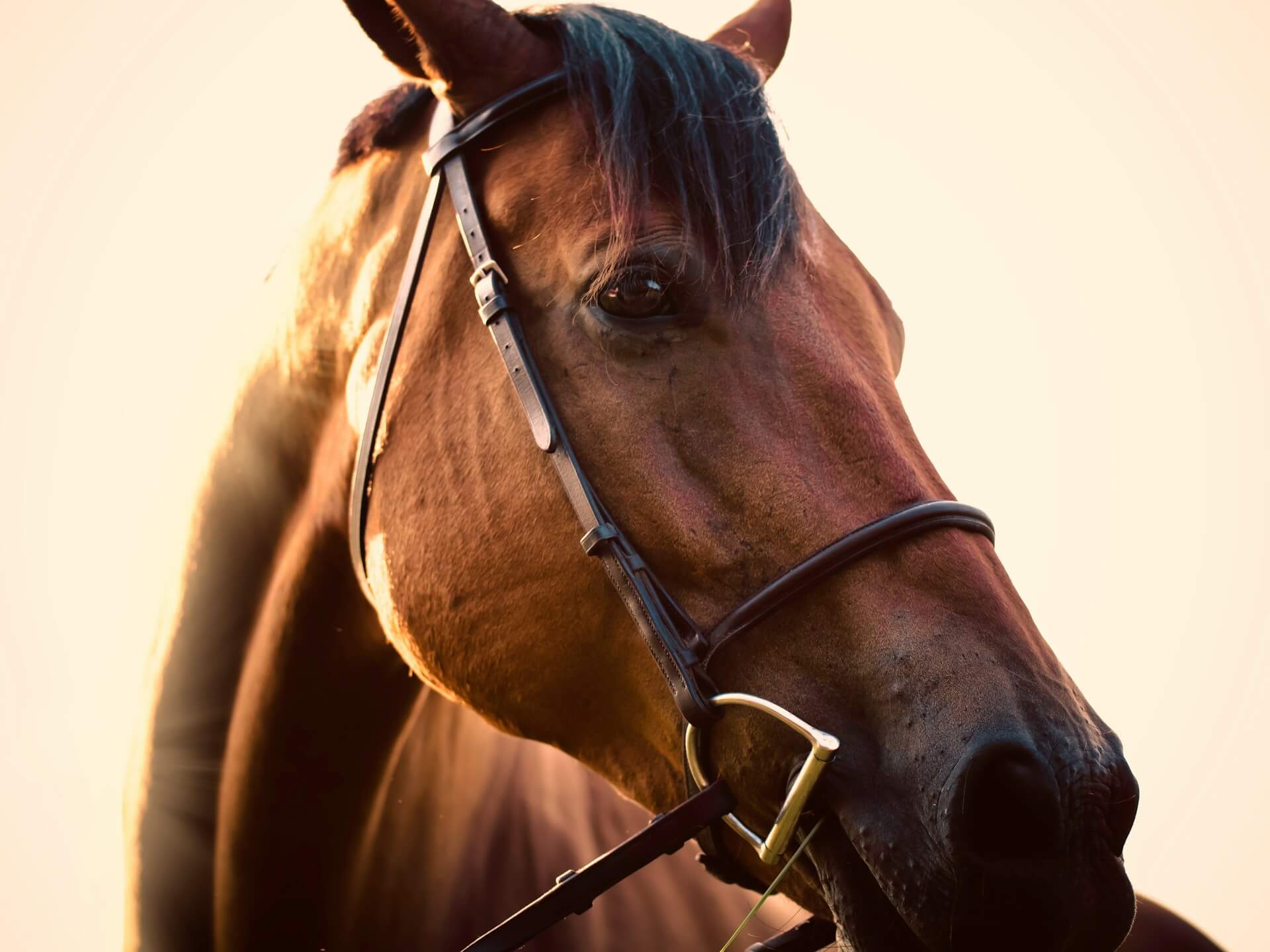
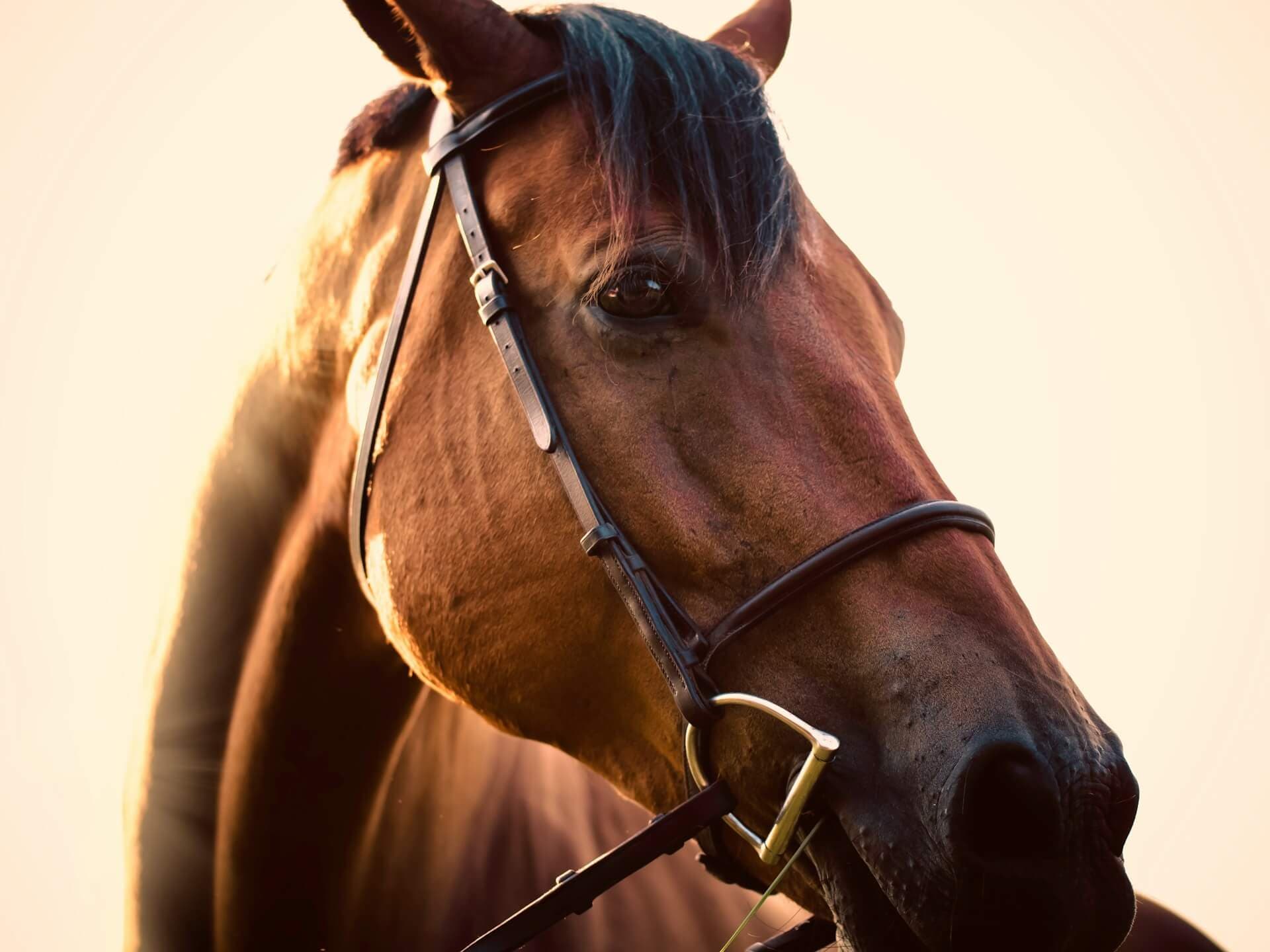
Are you considering buying a horse in Australia? Owning a horse is a rewarding experience, but it comes with significant costs, both upfront and ongoing. Here's a detailed guide to understanding how much you might spend on buying and maintaining a horse in Australia, complete with practical advice to make an informed decision.
The Purchase Price of a Horse
The initial cost of buying a horse varies widely depending on factors like the horse's breed, age, training level, and purpose. Here's an overview:
- Recreational Horses: Prices start at $500 for a basic, untrained horse and can go up to $15,000 for well- trained horses suitable for beginners.
- Performance Horses: Competitive horses for disciplines like show jumping, dressage, or eventing range from $10,000 to $50,000+, depending on training and pedigree.
- Racehorses: Yearlings at auction can cost anywhere from $1,000 to $1,000,000+, influenced by pedigree and conformation.
- Adoption Options: Rescuing a retired racehorse or rehoming a horse from a charity can cost as little as $500, but these horses may need extra training and care.
Essential Upfront Costs
Buying a horse isn't just about the purchase price. You'll also need:
- Tack and Equipment:
- Saddle, bridle, girth: $1,000–$5,000
- Rugs (summer and winter): $200–$800
- Halters, lead ropes, grooming kits: $50–$200
- Transport: Hiring a professional transporter: $300–$1,000, depending on distance.
- Pre-Purchase Veterinary Check:
- Basic assessment: $250–$500
- Full examination with X-rays: $1,000+
Monthly Maintenance Costs
The ongoing costs of owning a horse in Australia include feed, health care, and stable management:
Feed and Bedding
- Hay:
- Grass hay: $5–$13 per bale
- Lucerne: $20–$26 per bale
- Round bales: $80–$130
- Grain and Supplements:
- Feed: $13–$43 per bag
- Chaff: $20–$28 per bag
- Supplements: Costs vary depending on your horse’s needs.
- Bedding: (If stabled)
- Straw or shavings: $50–$150 per month
- Farrier Services
- Trim: $50 every 6 weeks
- Shoeing: $100–$250 every 6 weeks
- Veterinary Care
- Annual vaccinations (e.g., Hendra, Tetanus, Strangles): $100–$200
- Dental check: $100–$150 annually
- Worming: $13–$22 every 6 weeks
- Insurance
- Horse insurance: $300–$1,000 annually, depending on coverage.
Hidden Costs
- Training and Lessons
- Weekly riding lessons: $50–$120 per session
- Professional horse training: $300–$1,000+ per month
- Body Work and Saddle Fitting
- Body worker: $120 per session
- Saddle fitter: $250+ annually
- Emergency Fund
- Set aside at least $2,500 for unexpected vet bills.
Cost-Saving Tips
-
Buy in Bulk: Purchasing hay and feed in bulk directly from farmers can save hundreds annually.
-
Agistment (Horse Boarding):
- Agistment fees vary from $50–$300 per week, depending on whether the horse is on pasture or in a stable.
- Look for shared agistment facilities to reduce costs. And use Farmshare to find something in your budget.
-
DIY Care: Learning basic horse care, like hoof cleaning and grooming, can reduce reliance on professionals.
Are You Ready for the Commitment?
Owning a horse in Australia can cost anywhere from $5,000 to $20,000 annually, depending on your horse’s needs and your lifestyle. While this guide outlines the financial investment, the rewards of horse ownership—companionship, joy, and achievement—are priceless.
FAQs
-
What is the cheapest way to own a horse in Australia? Consider rehoming or leasing a horse. Leasing often requires no upfront purchase and lets you share costs with the owner.
-
How much does horse insurance cost? Basic coverage starts at $300 annually, but comprehensive policies covering vet bills and third-party liability can cost over $1,000 per year.
-
What are the most expensive aspects of owning a horse? Feed, farrier services, and unexpected vet bills are typically the highest ongoing expenses.
By planning your budget carefully and staying informed, you can enjoy the incredible experience of horse ownership without financial surprises.