How Long is a Cow Pregnant For? Complete Guide to Cow Gestation
A comprehensive guide to understanding cow gestation periods, including factors affecting pregnancy length, stages of development, and management tips
For those raising cattle, knowing how long a cow is pregnant can help plan for healthy births and optimize herd management.
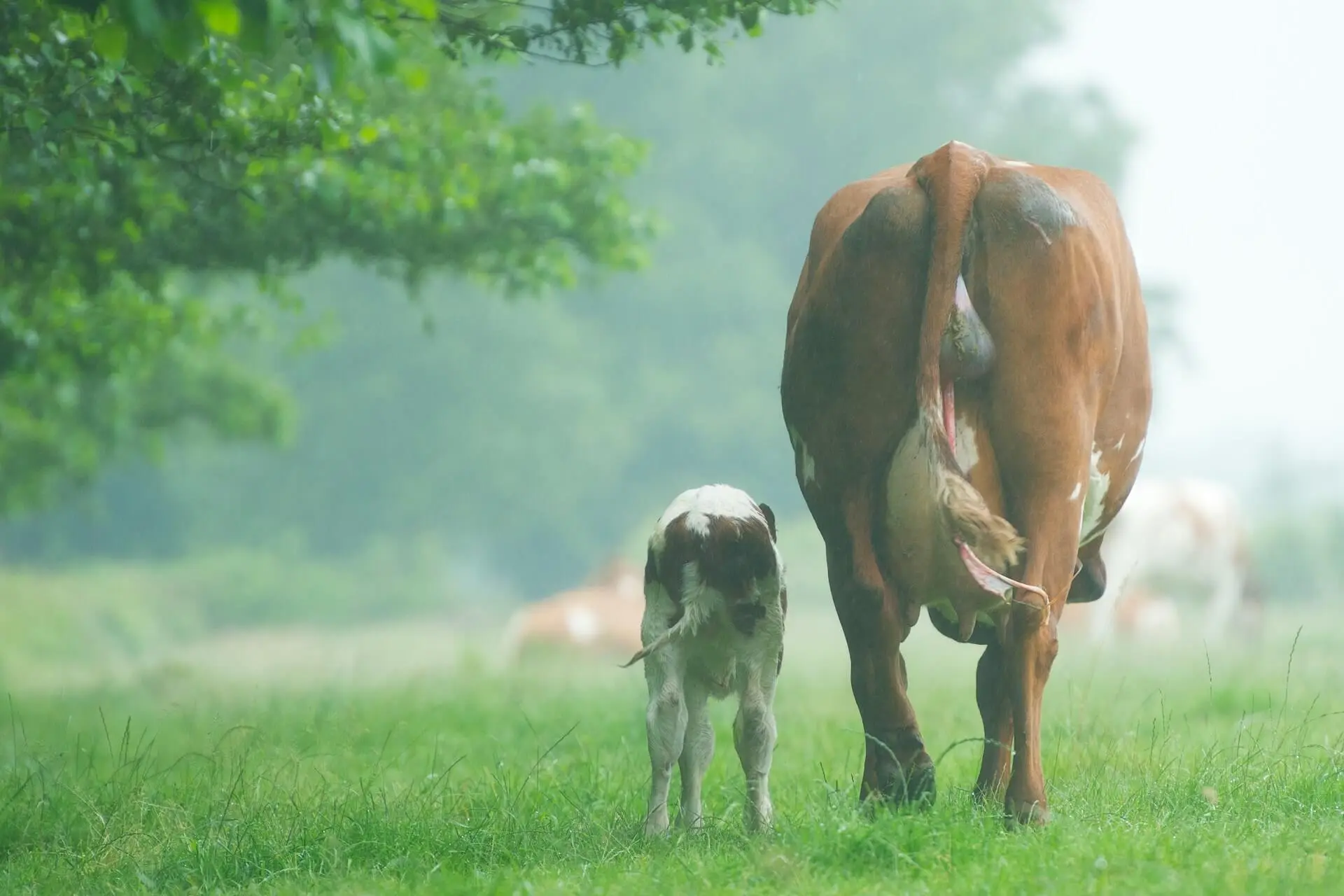
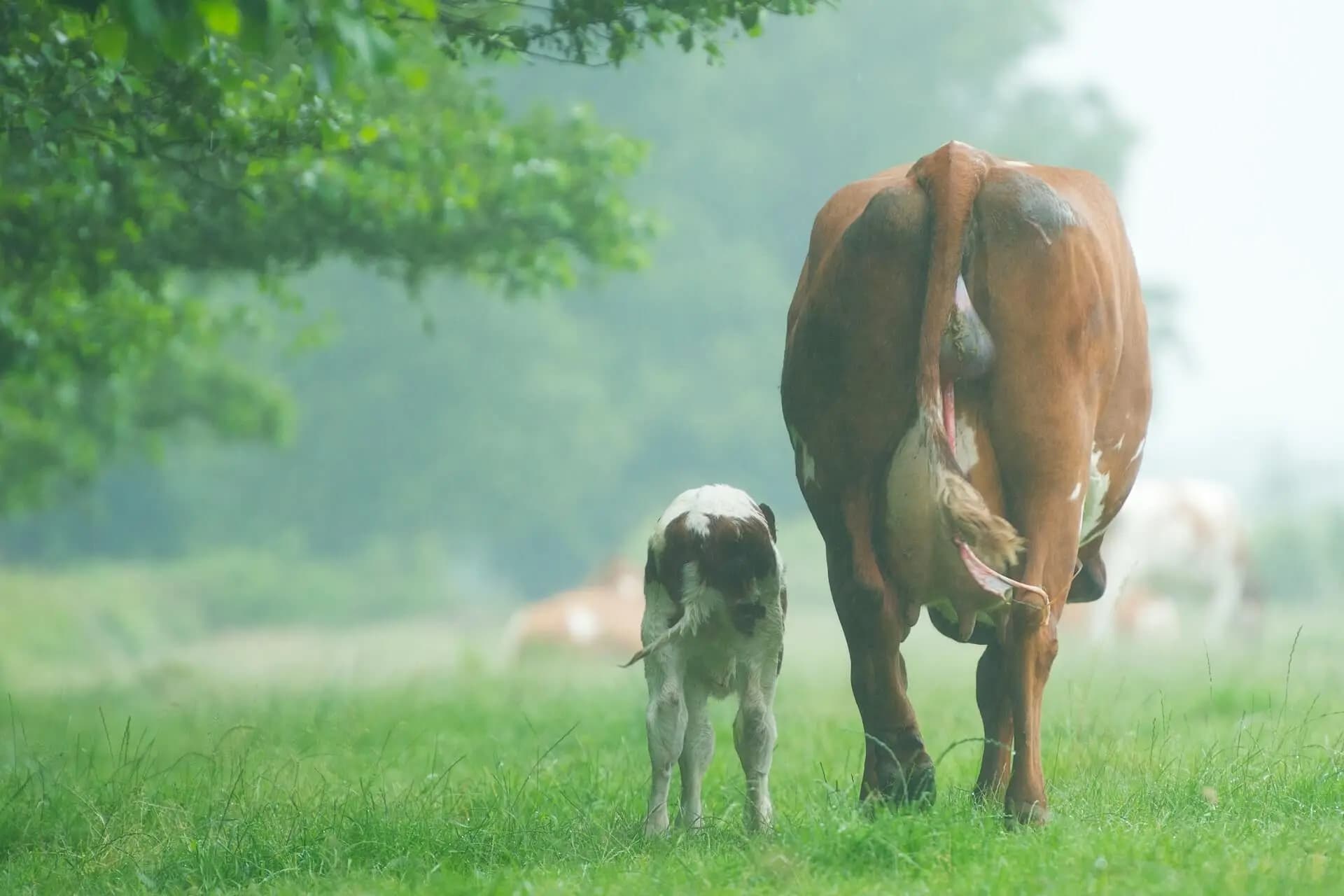
How Long is a Cow Pregnant?
On average, cows are pregnant for 279-292 days. This range reflects natural variations and is close to the human pregnancy period. For cattle, keeping track of the joining date (when a cow was first exposed to a bull) can help accurately predict the calving date. A simple calculation for a general estimate is:
Calving date = Joining date + 283 days
However, understanding specific gestation factors can help you adjust expectations and better care for your pregnant cows. You may also find cow gestation calculators helpful.
Key Factors Influencing Cow Gestation Length
While gestation length averages 283 days, according to the Journal of Dairy Science, this average can vary between 5-10 days based on a couple of key factors. Here are a few factors that can shift this timeframe:
1. Breed
Some breeds have slightly shorter or longer gestation periods. For example:
- Dairy Breeds: Holstein Friesians typically have a shorter gestation period (around 279 days), while breeds like Brown Swiss may be closer to 290 days.
- Beef Breeds: Angus cows tend to have shorter gestations (about 281 days), whereas Brahman cows might reach around 292 days.
Selecting specific breeds based on your farm's needs could be a strategy for timing calves' birth more predictably.
2. Calf Sex
Interestingly, bull calves usually require a bit longer gestation than heifers. This difference is often due to the increased weight and development time needed for bull calves, with the extension lasting just a few days in most cases.
3. Nutrition
Proper nutrition is critical throughout the gestation period but especially in the final trimester, when up to 75% of fetal growth occurs. Malnourished cows risk birth complications, weak calves, and delayed return to fertility. During the winter or times when green pasture is limited, supplementing the diet with quality forage and essential nutrients is crucial to supporting both the cow and her unborn calf.
Learn more about nutrition for pregnant cows
4. Health and Disease
Conditions like pregnancy toxaemia and bovine viral diarrhoea (BVD) can impact pregnancy health and even gestation length. Pregnancy toxaemia, often caused by poor nutrition in overweight cows, can lead to complications or fetal loss. BVD, a viral disease, can lead to abortions, malformed fetuses, and persistently infected calves that may spread the virus. Prevention through balanced diets, biosecurity, and routine vaccinations is essential to minimizing disease impact.
Read more about pregnancy toxaemia in cows
Understanding the Stages of Cow Gestation
Understanding the three main stages of cow pregnancy can help guide nutritional and veterinary care for each phase:
1. First Trimester (0-3 months)
During this phase, the fertilized egg implants and begins development. Though physical signs are minimal, adequate nutrition and low-stress conditions are essential to ensure healthy fetal development.
2. Second Trimester (3-6 months)
As the calf's organs begin forming, cows' nutritional demands rise. Ensuring access to quality feed and fresh water during this period supports both the cow's and calf's health as the calf's growth accelerates.
3. Third Trimester (6-9 months)
This is the most demanding phase nutritionally, as the calf grows quickly, taking up more room and requiring additional resources. High-quality protein, vitamins, and minerals are crucial to prepare the cow for calving. Providing adequate shelter, water, and a calm environment minimizes stress and supports a smooth birthing process.
Tips for Managing Cow Gestation
1. Track Join Dates and Adjust for Breed Variances
Keep records of join dates to predict calving more accurately. Use breed-specific gestation tables if you have mixed herds.
2. Monitor Nutrition, Especially in the Last Trimester
Increase the cow's feed intake as she enters the final trimester, ensuring a balanced diet to promote healthy fetal development and postpartum recovery.
3. Conduct Regular Health Checks
Routine health checks allow early detection of potential issues like pregnancy toxaemia and BVD. Vaccination and veterinary care support herd health throughout pregnancy.
4. Prepare for Calving with a Clean, Safe Space
As the due date nears, set up a quiet, clean environment for calving. Cows should be monitored closely but allowed to birth without unnecessary interference unless complications arise.
Final Thoughts on Cow Gestation
Understanding how long cows are pregnant, coupled with proactive herd management, promotes healthier cows, strong calves, and sustainable breeding practices. By focusing on nutrition, timely health care, and record-keeping, cattle owners can optimize their herds' reproductive cycles and prepare for a successful calving season each year.