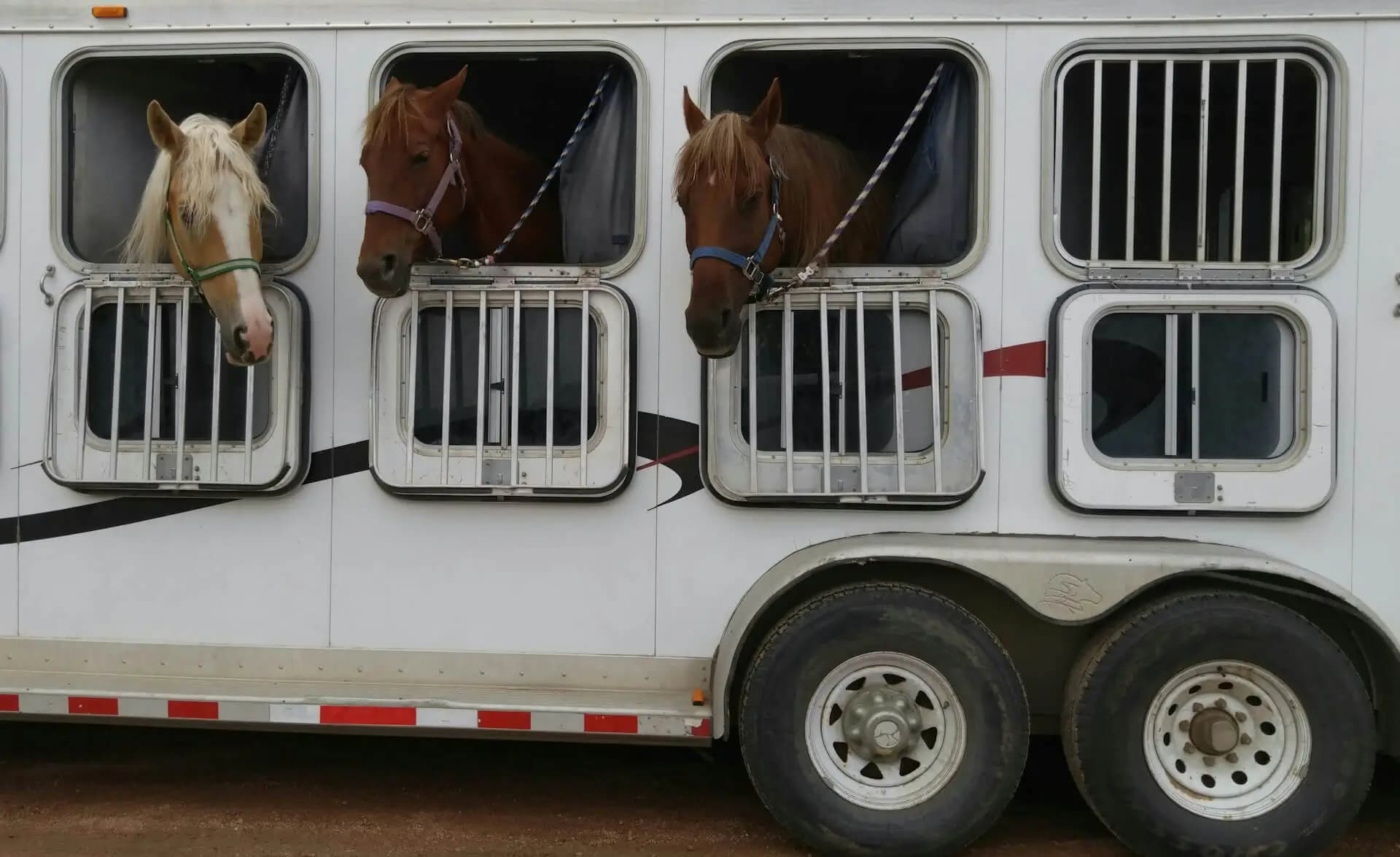
Ultimate Guide to Transporting Horses Safely: Tips, Tricks, and Best Practices
How to transport horses safely in Australia — prep, loading/unloading, trailer setup, legal requirements, and post-travel care.
Understanding the Importance of Safe Horse Transportation
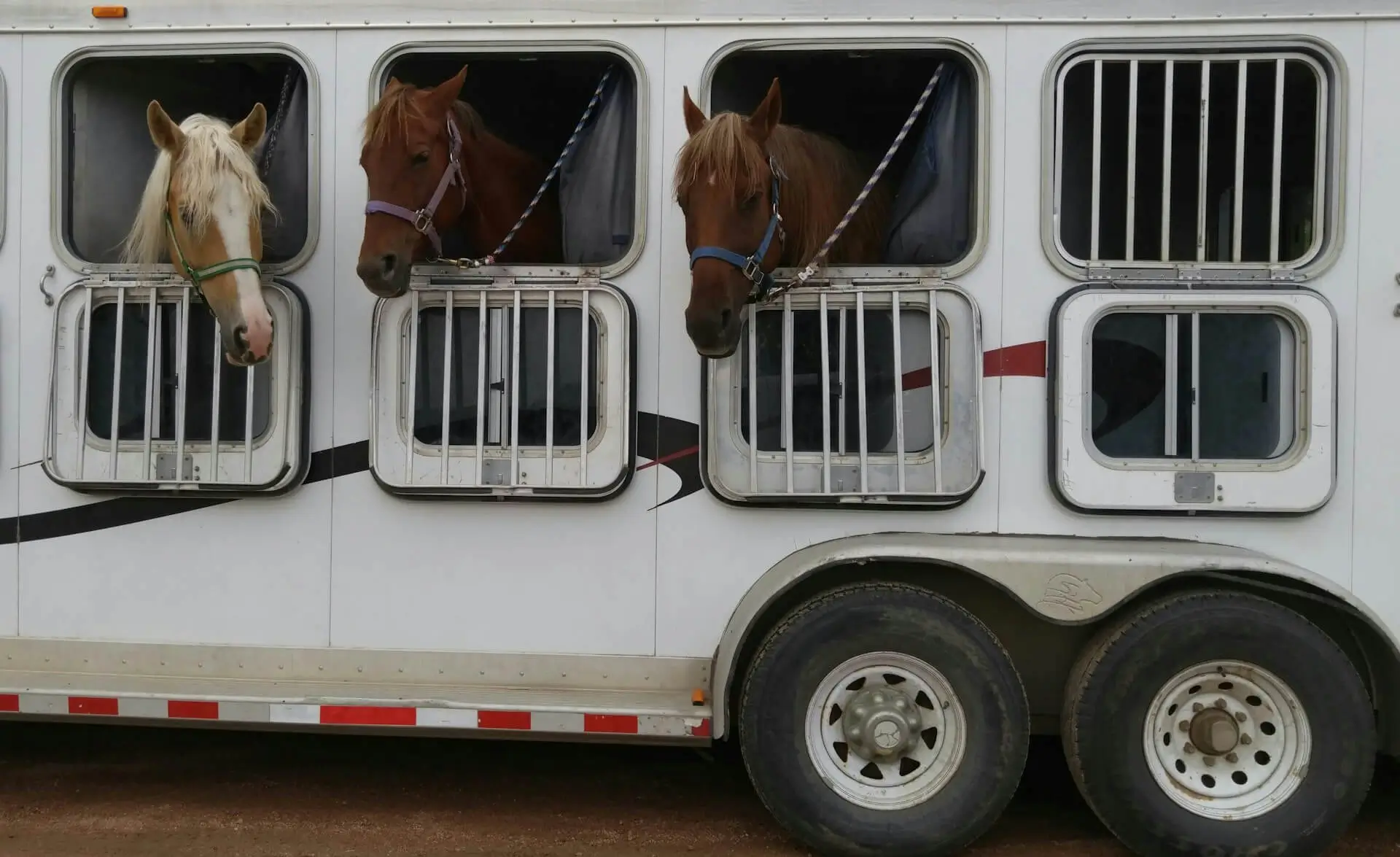
Transporting horses safely is crucial for their physical health and mental well-being. Horses are naturally flight animals, which means they can become anxious and stressed in unfamiliar environments, particularly when confined in a moving vehicle. Ensuring a safe and comfortable journey is essential to prevent injuries, reduce stress, and promote overall health. Proper transportation practices can make the difference between a calm horse that arrives at its destination ready to perform and one that is tense, exhausted, or even injured.
Moreover, safe horse transportation is not just about the journey itself but also about maintaining a positive relationship with your horse. Horses remember negative experiences, and a traumatic transport event can lead to long-term behavioral issues, making them more difficult to handle in the future. By prioritizing safety and comfort, you help foster trust and cooperation, which are vital for any equestrian activity, whether it’s competitive riding, pleasure riding, or simply caring for your horse.
Finally, understanding the importance of safe horse transportation can also protect you legally and financially. Accidents and injuries during transport can lead to costly veterinary bills, potential lawsuits, and loss of valuable training or competition time. Being knowledgeable about best practices and legal requirements ensures that you are compliant with regulations, which can prevent fines and other legal consequences. Safe horse transportation is not just a matter of ethics but also a practical necessity for any responsible horse owner.
Preparing Your Horse for Travel
Preparation is key to ensuring a smooth and safe journey for your horse. Begin by acclimating your horse to the trailer well in advance of travel day. Spend time introducing your horse to the trailer, allowing it to explore the space and become familiar with the sights, sounds, and smells. This gradual exposure can help reduce anxiety and make the loading process much smoother. Practice loading and unloading your horse several times, rewarding calm and cooperative behavior to reinforce positive associations with the trailer. In addition to trailer training, make sure your horse is in good physical condition for travel. Schedule a veterinary check-up to ensure your horse is healthy and up-to-date on
vaccinations. Discuss any specific health concerns with your vet, such as managing stress, preventing colic, and maintaining hydration during the journey. It's also important to ensure your horse is well-fed and hydrated before travel, but avoid overfeeding, as a full stomach can cause discomfort during transport.
Lastly, plan your travel route and schedule to minimize stress for your horse. Consider the time of day you’ll be traveling, opting for cooler parts of the day during hot weather and avoiding peak traffic times when possible. Plan for regular rest stops to allow your horse to rest, hydrate, and stretch its legs. Proper preparation not only ensures your horse's safety and comfort but also makes the entire transportation process more manageable and enjoyable for both you and your horse.
Choosing the Right Horse Trailer
Selecting the appropriate horse trailer is one of the most critical decisions you’ll make regarding horse transportation. The right trailer will provide a safe, comfortable, and stress- free environment for your horse during travel. When choosing a trailer, consider the size and number of horses you’ll be transporting. The trailer should be spacious enough to allow your horse to stand comfortably, with enough headroom and width to accommodate its natural movements. Trailers come in various sizes and configurations, including straight-load and slant-load designs, each with its advantages depending on your specific needs.
Safety features are paramount when selecting a horse trailer. Look for trailers with sturdy construction, secure latches, and non-slip flooring to prevent injuries. Ventilation is also crucial, as horses can easily overheat in confined spaces. Ensure the trailer has adequate windows or vents to provide proper airflow and maintain a comfortable temperature inside. Additionally, consider trailers with built-in feed and water storage to keep your horse nourished and hydrated throughout the journey.
Another important factor to consider is the towing vehicle. Make sure your vehicle is capable of safely towing the weight of the trailer and horses. Check the towing capacity specifications and ensure your vehicle is equipped with the necessary towing hitch and brake system. It's also essential to perform regular maintenance on both the trailer and towing vehicle to prevent mechanical failures during travel. By choosing the right horse trailer and ensuring your towing equipment is in excellent condition, you can provide a safe and comfortable environment for your horse during transport.
Essential Equipment for Safe Horse Transport
Having the right equipment is essential for safe and stress-free horse transport. Start with the basics: a well-fitted halter and lead rope for each horse. These should be sturdy and in good condition to ensure you have control over your horse during loading and unloading. Breakaway halters are a good option as they can prevent injuries if a horse gets caught on something. Additionally, having a spare halter and lead rope on hand can be a lifesaver in case of emergencies.
Protective gear for your horse is also crucial. Leg wraps or shipping boots provide protection against bumps and scrapes during travel. These should be properly fitted to avoid slipping or causing discomfort. Consider using a tail guard to protect your horse's tail from rubbing against the trailer walls. For longer journeys, consider using a fly mask to protect your horse's eyes from debris and insects. Ensuring your horse is adequately protected can prevent injuries and make the journey more comfortable.
Don't forget about safety equipment for the trailer itself. A well-stocked emergency kit is a must-have, including items such as a first aid kit, spare tire, tire jack, and basic tools. Fire extinguishers are also essential, as are reflective triangles or flares for use in case of breakdowns. Having water buckets, hay nets, and feed on hand ensures your horse stays hydrated and fed during the trip. By equipping yourself with the necessary tools and supplies, you can handle unexpected situations and ensure a safer journey for your horse.
Best Practices for Loading and Unloading Horses
Loading and unloading horses can be one of the most stressful aspects of horse transport, both for the horse and the handler. However, following best practices can make this process smoother and safer. Start by ensuring the trailer is parked on a level surface with plenty of open space around it. Open all doors and windows to make the trailer appear more inviting and allow for proper ventilation. Have all necessary equipment ready, including lead ropes, halters, and any protective gear your horse may need.
When loading your horse, remain calm and patient. Use a confident and gentle approach, leading your horse towards the trailer without pulling or forcing it. Allow your horse to take its time to investigate the trailer and step in at its own pace. If your horse is hesitant, try using treats or a familiar feed bucket to encourage it forward. In some cases, having a companion horse already loaded in the trailer can help coax a reluctant horse to follow. Once inside, secure your horse with a safety tie or quick-release knot to prevent accidents.
Unloading a horse requires just as much care and attention. Before opening the trailer, ensure the area around you is safe and free from obstructions. Open the trailer doors fully and untie your horse before asking it to back out. Use calm, consistent cues to guide your horse out of the trailer, and be prepared to step aside quickly if your horse becomes anxious or rushes. Taking your time and maintaining a calm demeanor can help prevent accidents and make the loading and unloading process safer and more efficient.
Tips for a Smooth Journey
A smooth journey is essential for the well-being of your horse during transport. Start by ensuring your travel route is well-planned. Familiarize yourself with the route in advance, noting any potential hazards or difficult terrain. Plan for regular rest stops every few hours to allow your horse to rest, hydrate, and stretch its legs. During these stops, check the trailer and your horse’s condition to ensure everything is in order. Avoid traveling during extreme weather conditions, as this can add unnecessary stress to your horse.
Driving techniques also play a significant role in ensuring a smooth journey. Drive cautiously, avoiding sudden stops, sharp turns, and rapid acceleration. Horses can easily lose their balance in a moving vehicle, and smooth, steady driving helps them maintain their footing. Pay attention to the road and anticipate traffic conditions to make gradual adjustments. Keeping a safe distance from other vehicles and staying within speed limits ensures a safer and more comfortable ride for your horse.
Communication is key during the journey. If traveling with others, agree on signals and protocols for stops and emergencies. Keep a phone and emergency contact numbers handy in case you need assistance. Regularly check on your horse during the trip, either through a trailer camera or by stopping to visually inspect. Monitoring your horse’s behavior and condition can help you identify and address any issues promptly. Following these tips can help ensure a smooth and stress-free journey for both you and your horse.
Dealing with Common Transportation Challenges
Transporting horses comes with its own set of challenges, but being prepared can help you handle them effectively. One common issue is a horse refusing to load. If this happens, remain calm and patient. Sometimes, taking a break and trying again later can help. Using positive reinforcement, such as treats or a familiar feed bucket, can encourage your horse to enter the trailer. In some cases, enlisting the help of a professional trainer or using a companion horse can make the process easier.
Another challenge is dealing with a horse that becomes stressed or anxious during travel. Signs of stress include sweating, pawing, or vocalizing. To mitigate stress, ensure your horse has a comfortable and familiar environment inside the trailer. Provide hay or a familiar feed to keep your horse occupied and calm. Playing soothing music or using calming supplements, as recommended by your vet, can also help ease anxiety. Regular rest stops to check on your horse and offer water can prevent dehydration and reduce stress.
Mechanical issues or breakdowns can also pose significant challenges during transport. To prepare for such situations, ensure your vehicle and trailer are well-maintained and equipped with a spare tire, jack, and basic tools. Have a roadside assistance plan in place and keep emergency contact numbers readily available. In case of a breakdown, prioritize your horse's safety by parking in a secure location away from traffic and using reflective triangles or flares to alert other drivers. By being prepared and staying calm, you can effectively handle common transportation challenges and ensure your horse's safety.
Regulations and Legal Considerations for Horse Transport
Compliance with regulations and legal considerations is essential for safe and responsible horse transport. Different regions and countries have specific laws governing the transportation of livestock, including horses. These laws can cover various aspects, such as trailer requirements, health certifications, and travel documentation. Familiarize yourself with the regulations in your area and any regions you will be traveling through to ensure compliance and avoid legal issues.
Health certifications are often required for interstate or international travel with horses. These documents, issued by a licensed veterinarian, confirm that your horse is healthy and free from contagious diseases. Common requirements include a Certificate of Veterinary Inspection (CVI) and proof of negative Coggins test for Equine Infectious Anemia. Ensure all necessary health certifications are up-to-date and keep copies readily accessible during travel. Failure to provide these documents can result in fines, quarantine, or denial of entry at checkpoints.
In addition to health certifications, some regions have specific requirements for trailer safety and equipment. These can include regulations on trailer size, ventilation, and flooring, as well as mandatory safety features like breakaway brakes and reflective markings. Ensure your trailer meets all legal requirements and undergo regular inspections to maintain compliance. By adhering to regulations and legal considerations, you can ensure a safe and lawful journey for your horse.
Here is a guide from the QLD government on transportation of horses:
Post-Transport Care for Your Horse
Proper post-transport care is crucial for your horse's recovery and well-being after a journey. Upon arrival, give your horse time to rest and acclimate to its new environment. Unload your horse slowly and calmly, allowing it to stretch and relax. Provide access to fresh water immediately, as dehydration can be a concern after travel. Offer hay or a light meal to help your horse settle, but avoid overfeeding, as a large meal can cause digestive issues.
Monitor your horse closely for any signs of stress, injury, or illness in the hours and days following transport. Look for symptoms such as lethargy, loss of appetite, colic, or respiratory issues. If you notice any concerning signs, contact your veterinarian for advice and possible examination. Regularly check your horse's vital signs, such as temperature, pulse, and respiration rate, to ensure it is recovering well. Providing a calm and quiet environment can help your horse relax and recover more quickly.
In addition to monitoring physical health, pay attention to your horse's mental and emotional well-being. Spend time with your horse, offering gentle handling and reassurance. Gradually reintroduce your horse to its regular routine, including exercise and socialization with other horses. Taking the time to provide proper post-transport care ensures your horse remains healthy and happy, and ready to resume its activities.
Conclusion: Ensuring Safe Travels for Your Equine Companion
Transporting horses safely requires careful planning, the right equipment, and a thorough understanding of best practices. By prioritizing your horse's safety and comfort, you can minimize stress and prevent injuries, ensuring a smooth and successful journey. From choosing the right trailer to providing proper post-transport care, each step plays a crucial role in the overall well-being of your horse. Whether you're a seasoned equestrian or a first- time horse owner, following these guidelines can help you navigate the unique challenges of horse transportation with ease and confidence.
Understanding the importance of safe horse transportation not only protects your horse's health but also fosters a positive relationship built on trust and cooperation. By preparing your horse for travel, selecting the appropriate trailer, and equipping yourself with the necessary tools and knowledge, you can provide a secure and comfortable environment for your equine companion. Handling common challenges with patience and adhering to regulations ensures a lawful and stress-free journey.
Ultimately, the goal of safe horse transport is to ensure your horse arrives at its destination healthy, happy, and ready to perform or enjoy its new surroundings. With the right approach and a commitment to best practices, you can achieve this goal and enjoy the peace of mind that comes from knowing your horse is in good hands. Safe travels!