Clydesdale Horses: Breed Guide, Breeders & Buying Tips (Australia)
Everything Australians need to know about Clydesdales: history, traits, care and costs, buying advice, and where to find reputable local breeders.
Clydesdale horses: The ultimate Australian guide
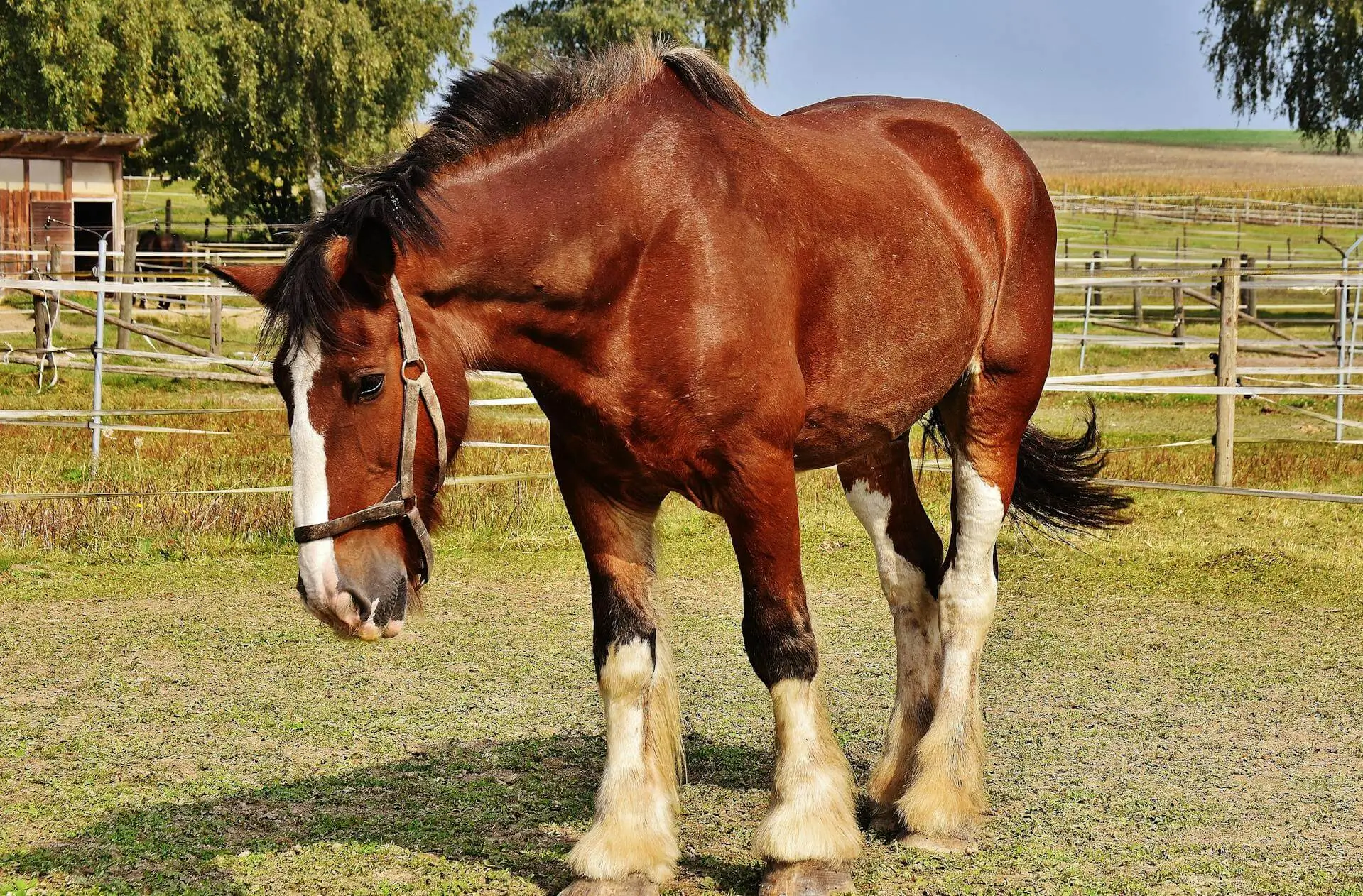
Clydesdale horses, known for their towering height, broad stature and flowing feathered legs are easily on of the most recognisable heave horse breeds in the world. In Australia, the Clydesdale horse holds a unique place in history. For over a century the Clydedale were the go-to workhorse of the nation, responsible for pulling ploughs, carts, and wagons long before tractors and trucks were a common commodity.
Today the Clydesdale Horse is valued for their calm temperament, unique looks and versatility. Whether in the show ring, at a parade, or on a hobby farm, the Clydesdale remains a gentle giant and an enduring symbol of strength.
This guide covers the Clydesdale Horse breed in detail, for their history, and characteristics, to care, costs and where to find breeders across the country.
Quick facts about Clydesdale horses
- Origin: Scotland, 18th century
- Height: 16–18 hands
- Weight: 700–900+ kg
- Coat colours: Commonly bay with white markings, though black, brown, roan and chestnut also occur
- Features: Feathered legs, broad forehead, strong shoulders
- Temperament: Calm, willing, intelligent, gentle
- Use in Australia: Agriculture (historic), showing, carriage work, riding, parades
- Breed society in Australia: Commonwealth Clydesdale Horse Society
A short history: how Clydesdales came to Australia
The Clydesdale horse originated in Lanarkshire, Scotland Source: Global Trotting. They were bred for strength and endurance during the 1700s and could pull heavy loads over long distances. With the development of the Australian colony and the emergence of an Australian agricultural industry, imports of Clydesdales surged. By the late 1800s and early 1900s, they were the backbone of Australian agriculture and transport.
Before the prevalence of heavy machinery, almost every farm relied on a team of Clydesdales to plough fields, haul wool bales, cart produce to market and move timber. In cities, they pulled brewery wagons and delivery carts.
Although tractors and trucks eventually replaced them, Clydesdales remain a strong cultural symbol. Today, you’ll see them at agricultural shows, pulling heritage carriages in parades, and kept by enthusiasts who value their heritage and gentle nature.
Clydesdale Horses: Appearance & breed characteristics
Size and build
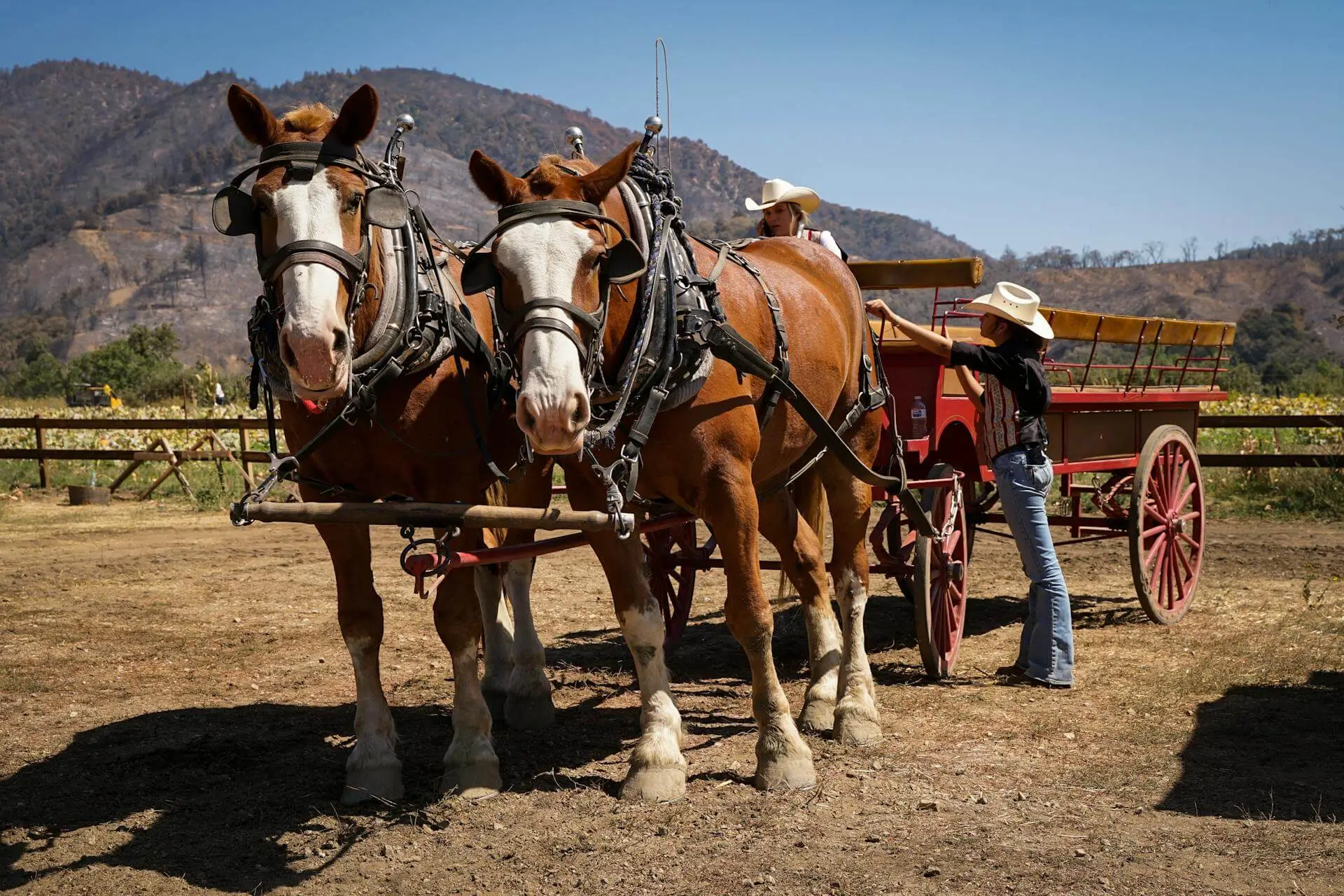
Clydesdales are a heavy horse breed. Typically standing at 16–18 hands high, though some stallions reach 19 hands or more. Clydesdales typically weigh 700–900 kg. This makes them among the heaviest horse breeds in the world.
Distinctive features
The breed is best known for its long, silky feathering around the lower legs, broad forehead, muscular shoulders, and high-set neck.
Colours
Most Clydesdales are bay with four white stockings and a white blaze, but black, brown, roan and chestnut coats are also seen.
Health and lifespan
Clydesdales are hardy and long-lived, often reaching 20–25 years. Like many heavy breeds, they can be prone to chronic progressive lymphedema (a skin and lymph condition) and need regular hoof and feather care to avoid issues such as mites or infections.
Temperament & suitability Clydesdales are often beloved for their temperament. Despite their size, they’re generally:
- Calm and gentle
- Intelligent and willing to work
- Patient with handlers and riders
This makes them suitable for:
- Pleasure riding (particularly for taller or heavier riders)
- Carriage driving and weddings
- Agricultural shows and competitions
- Hobby farms and small-scale draught work
Although it is worth noting they’re generally less suited to people with limited space or budget, given their size and feed requirements.
Care & costs in Australia of Clydesdale Horses
Feeding and pasture Clydesdales require more feed than light horses simply due to their size. A mature horse will often need:
- 10–15 kg of quality hay per day
- Access to good pasture
- Additional hard feed depending on workload
Owners should budget accordingly, as feed costs can be significant.
Hoof and feather care Their feathered legs need regular grooming to avoid skin infections. Hooves should be trimmed every 6–8 weeks by a farrier experienced with heavy horses.
Veterinary and insurance Routine vaccinations, dental work and worming are the same as for other horses but often at a higher dosage due to body weight. Insurance costs can also be higher.
Costs of purchase In Australia, Clydesdale prices vary widely:
- Foals and unbroken youngsters: $3,000–$7,000
- Trained riding/driving horses: $8,000–$15,000+
- Show-quality or rare colours: upwards of $20,000 Transporting a Clydesdale can also be more expensive, as some floats and trucks cannot accommodate their size.
Buying a Clydesdale in Australia — checklist
If you’re considering purchasing a Clydesdale, here are key points:
- Check registration with the Commonwealth Clydesdale Horse Society.
- Inspect health: Look at hooves, joints, feathering, teeth and overall condition.
- Assess temperament: Ensure the horse is handled regularly and fits your needs (riding, driving, showing).
- Confirm training level: Breaking in a draught horse requires skill and patience.
- Budget for care: Remember feed, farrier and vet bills are higher than with smaller breeds.
Top Australian breeders & organisations
-
HorseYard: Marketplace listing Clydesdales for sale
-
Horsezone: Popular classifieds site with Clydesdale listings
-
State branches and agricultural societies: Many states (e.g., Victoria, NSW) have local Clydesdale associations with breeder directories
Clydesdales in Australian culture & events
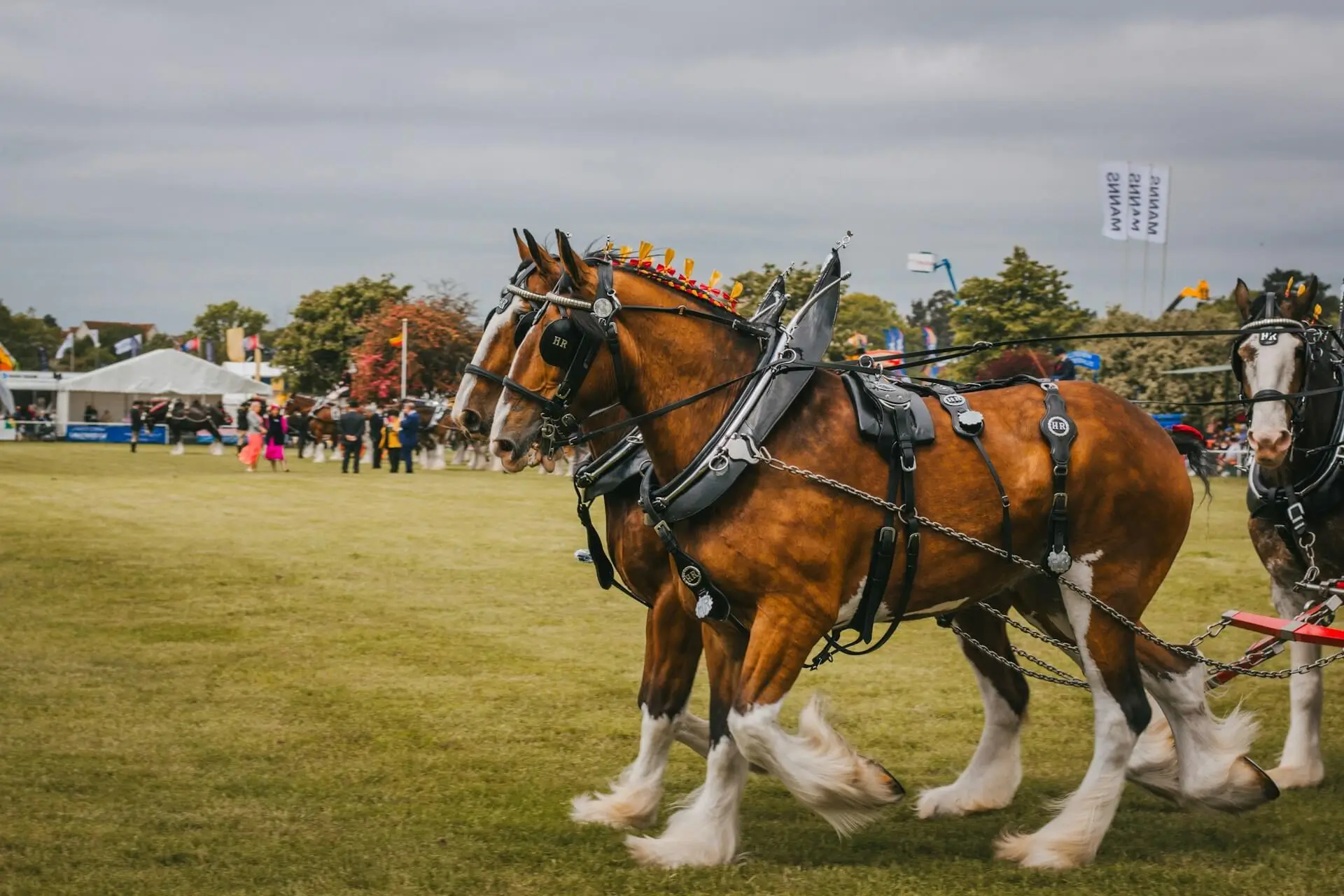
Clydesdales often appear in rural shows and events across Australia. They’re often a highlight at the Royal Easter Show in Sydney, Melbourne Show, and regional agricultural fairs. In heritage tourism, you’ll see them pulling brewery wagons or carriages, giving visitors a glimpse of Australia’s working horse past.
Their presence at parades and festivals makes them crowd favourites, particularly with children seeing these gentle giants up close.
FAQs about Clydesdale horses
How tall are Clydesdales? Most stand between 16 and 18 hands high, though some stallions exceed 19 hands.
Are Clydesdales good for riding? Yes. Their calm nature makes them steady mounts, though their build is different to light horses.
How much do Clydesdales cost in Australia? Expect to pay $3,000–$7,000 for a foal or young horse, and $8,000–$20,000+ for a trained or show-quality horse.
Where can I find Clydesdale breeders in Australia? Start with the Commonwealth Clydesdale Horse Society breeder directory, or search classifieds like HorseYard and Horsezone.