Comprehensive Guide to Cattle Breeding and Beef Cattle Management
Discover essential strategies for boosting herd performance and profitability through effective cattle breeding and beef cattle management.
Everything you need to know about Cattle Breeding and Beef Cattle Management
Cattle breeding plays a pivotal role in ensuring high-quality beef production and improving herd performance. Understanding the intricacies of genetic selection, reproduction, and cattle management can significantly enhance profitability for beef producers.
What is Cattle Breeding?
Cattle breeding refers to the deliberate selection and reproduction of cattle to enhance specific desirable traits such as growth rate, fertility, and meat quality. This practice involves leveraging genetic and reproductive knowledge to improve herd productivity across generations.
Key Aspects of Successful Beef Cattle Breeding
- Genetics and Selection
- Role of Genetics: Genetics determine the inherent production potential of cattle. Selecting superior bulls and cows can lead to improved growth rates, disease resistance, and carcass quality.
- Selection Goals: Align breeding objectives with market demands and enterprise goals. For example, if targeting premium beef markets, focus on traits like marbling and tenderness.
- Longevity in Genetic Gains: Genetic improvements take time and require multi- generational planning to achieve sustainable results.
- Reproductive Management
- Oestrus Detection**: Identifying signs of standing heat, such as restlessness, swollen vulvas, or standing to be mounted, is critical for timely mating.
- Timing: Breed cows within 12 hours of detecting standing heat for optimal conception rates.
- Artificial Insemination (AI): Offers access to superior sires, ensuring better genetic diversity and quality.
Comprehensive Feeding Strategies for Breeding Success
Proper nutrition is integral to the health, fertility, and productivity of cattle.
- Body Condition Score (BCS): Maintain cows at a BCS of 3 for optimal breeding outcomes. Cows that are too thin may experience delayed cycles, while over- conditioned cows are prone to calving difficulties.
- Diet Recommendations:
- Energy-dense feeds during early pregnancy.
- High-protein diets during late pregnancy to support fetal development.
- Adequate minerals (calcium and phosphorus) throughout gestation.
Calving and Post-Calving Care
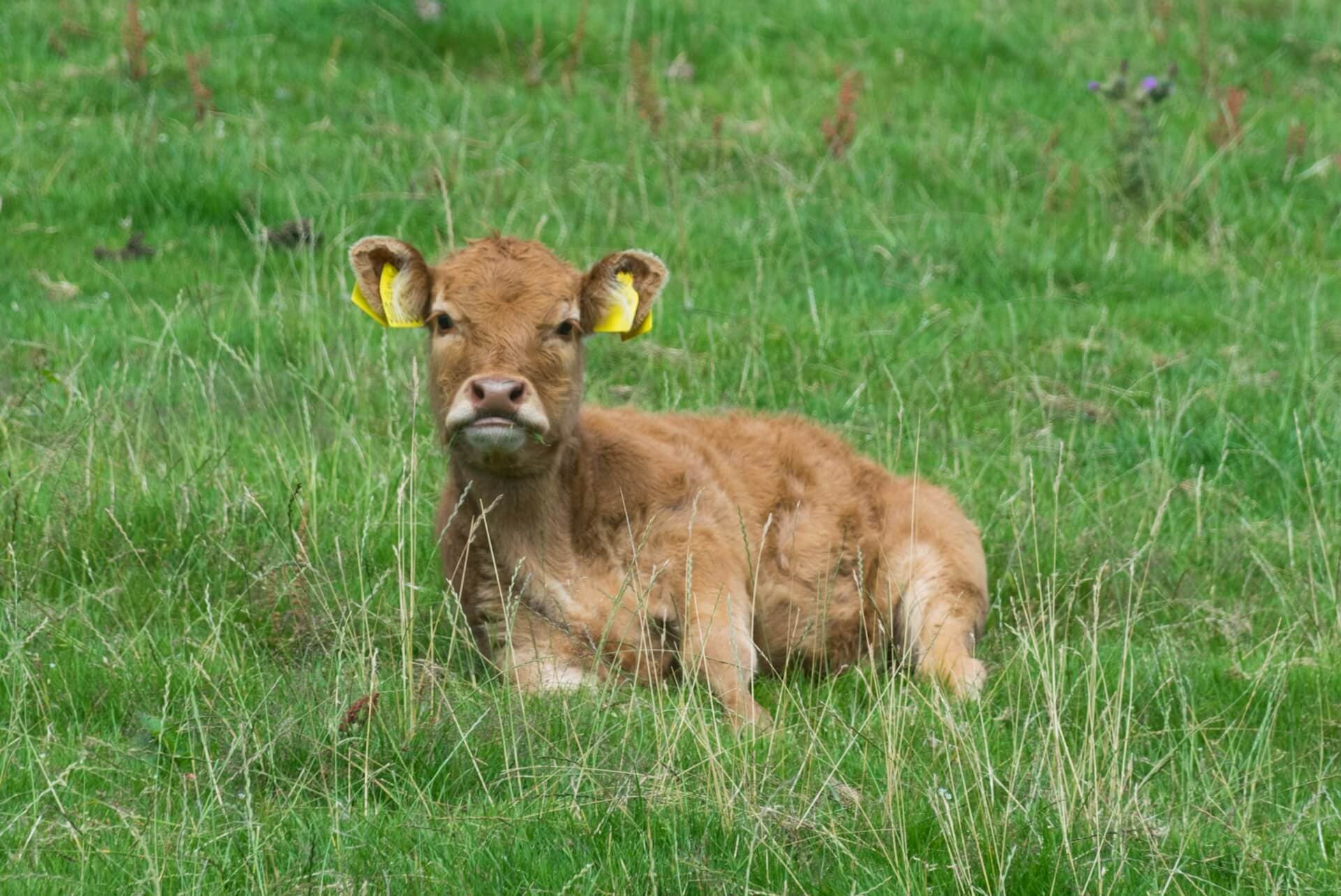
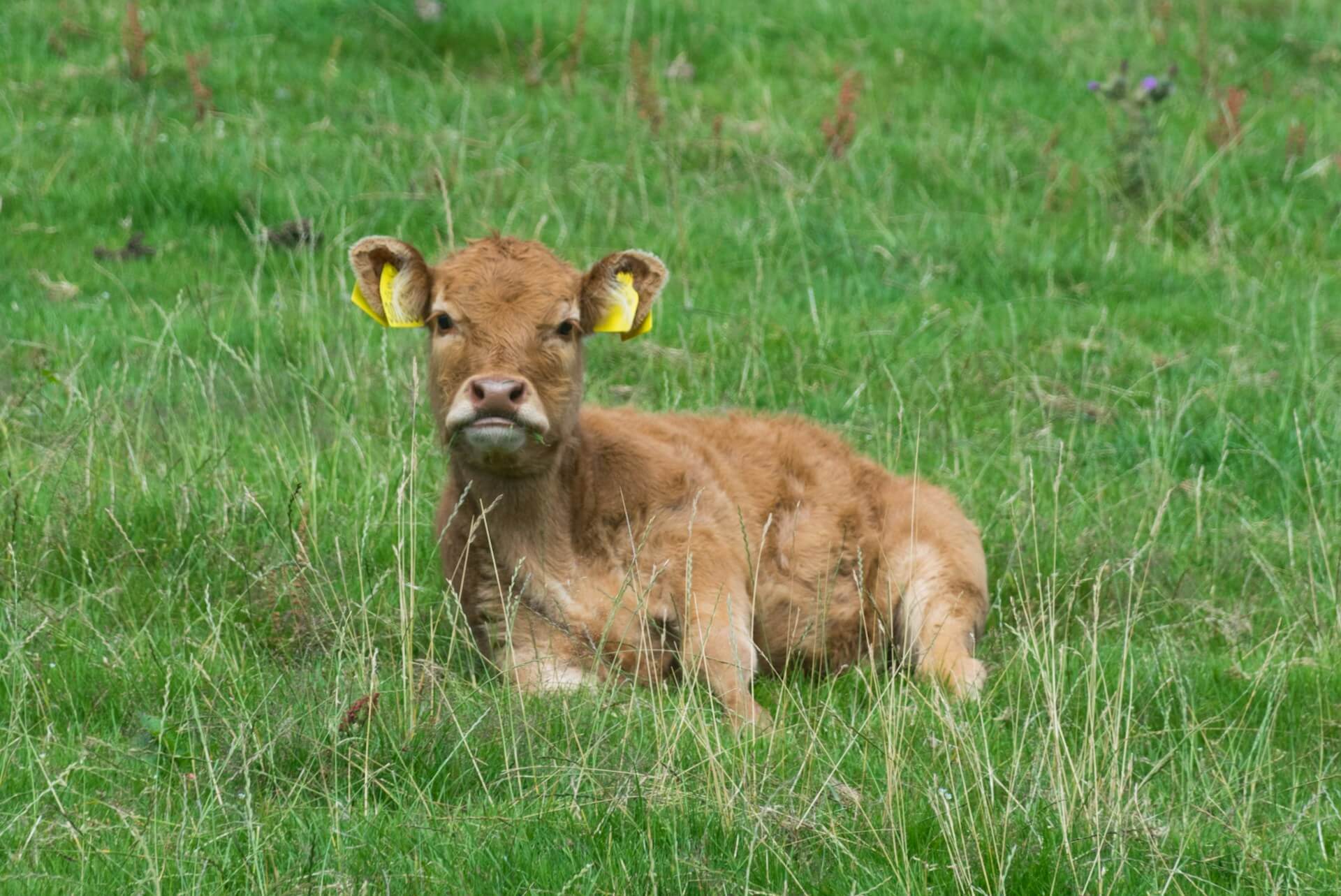
Effective calving management ensures higher survival rates and a healthier herd.
- Preparation for Calving:
- Observe signs like udder swelling and vaginal discharge a week before calving.
- Provide clean and comfortable bedding to minimize stress and infections.
- Post-Calving Practices:
- Ensure calves receive colostrum within the first 24 hours to build immunity.
- Monitor for common issues like retained placentas, mastitis, or calf scours.
Common Challenges in Cattle Breeding
Understanding and addressing these hurdles can save costs and improve herd performance.
- Infertility: Often caused by poor nutrition, infections, or genetic defects. Regular veterinary check-ups and balanced diets are crucial.
- Dystocia (Difficult Calving): Ensure cows and heifers are in the proper condition to avoid oversized calves or complications.
- Health Issues: Vaccinate against diseases like brucellosis and leptospirosis to protect reproductive health.
Benefits of a Well-Structured Breeding Program
- Higher Productivity: Regular calving intervals lead to more calves weaned per year.
- Improved Market Value: High-quality genetics result in premium beef products.
- Sustainability: Long-term genetic improvements enhance the resilience and efficiency of the herd.
Cattle Breeding in Practice
Implementing best practices in cattle breeding requires strategic planning, a deep understanding of genetics, and a focus on the welfare of the animals. Whether using natural mating or advanced techniques like AI, the ultimate goal is to create a sustainable and profitable beef production system.
By adopting modern breeding techniques and adhering to scientific guidelines, beef producers can achieve significant improvements in herd performance, leading to a thriving business and higher market competitiveness.