Cattle Agistment: A Comprehensive Guide for Farms and Landowners
Discover everything about cattle agistment in Australia – including its rates, legal requirements, and best practices. Ideal for graziers and agistors in 2024.
What is Cattle Agistment? A Guide to Starting and Navigating the Agistment Process in Australia
Cattle agistment is a vital practice for many farmers and landowners, providing a sustainable solution for managing livestock during periods of limited grazing. In this article, we’ll explore what cattle agistment is, its benefits, and how to choose the right agistment options for your cattle.
What is Cattle Agistment?
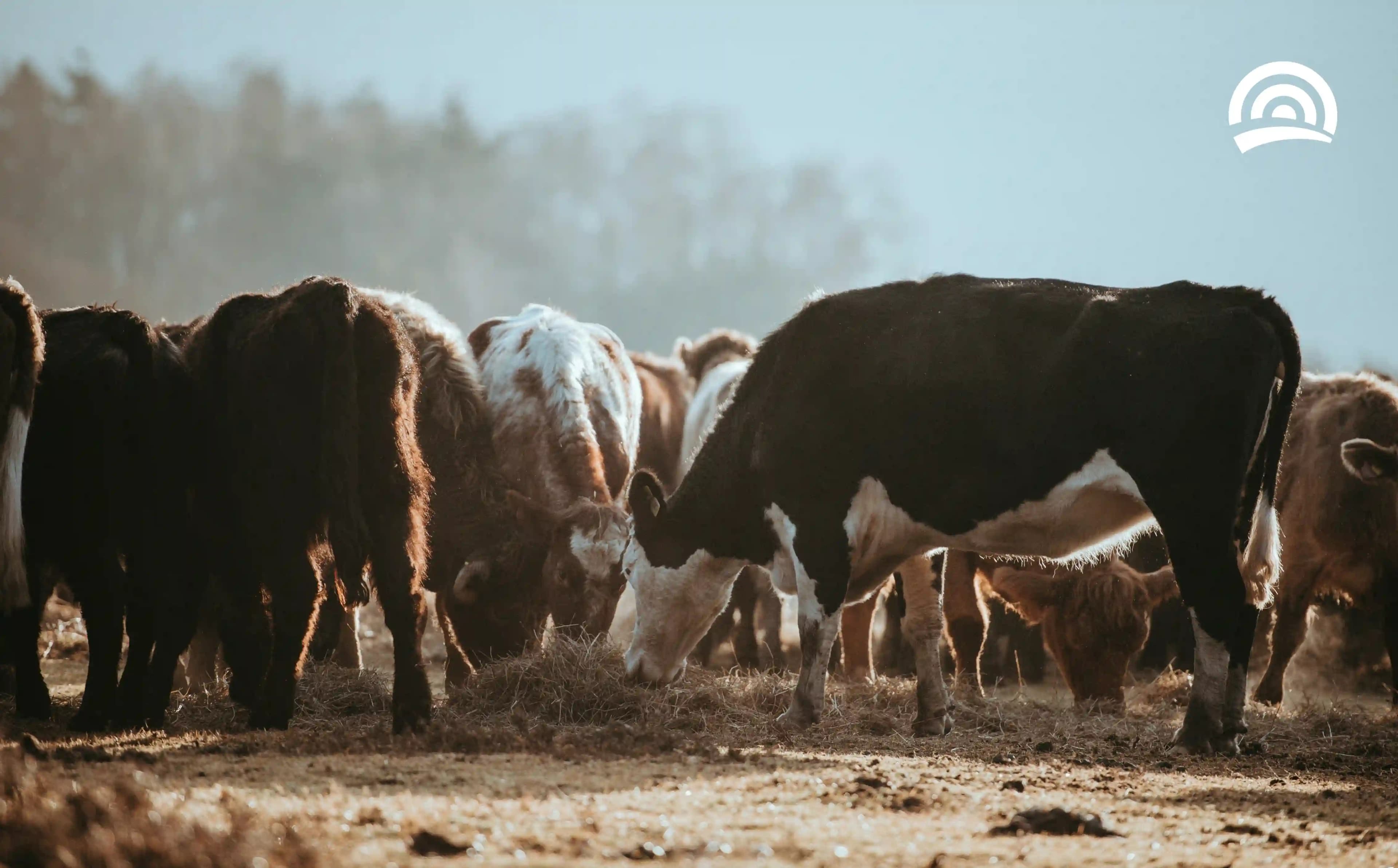
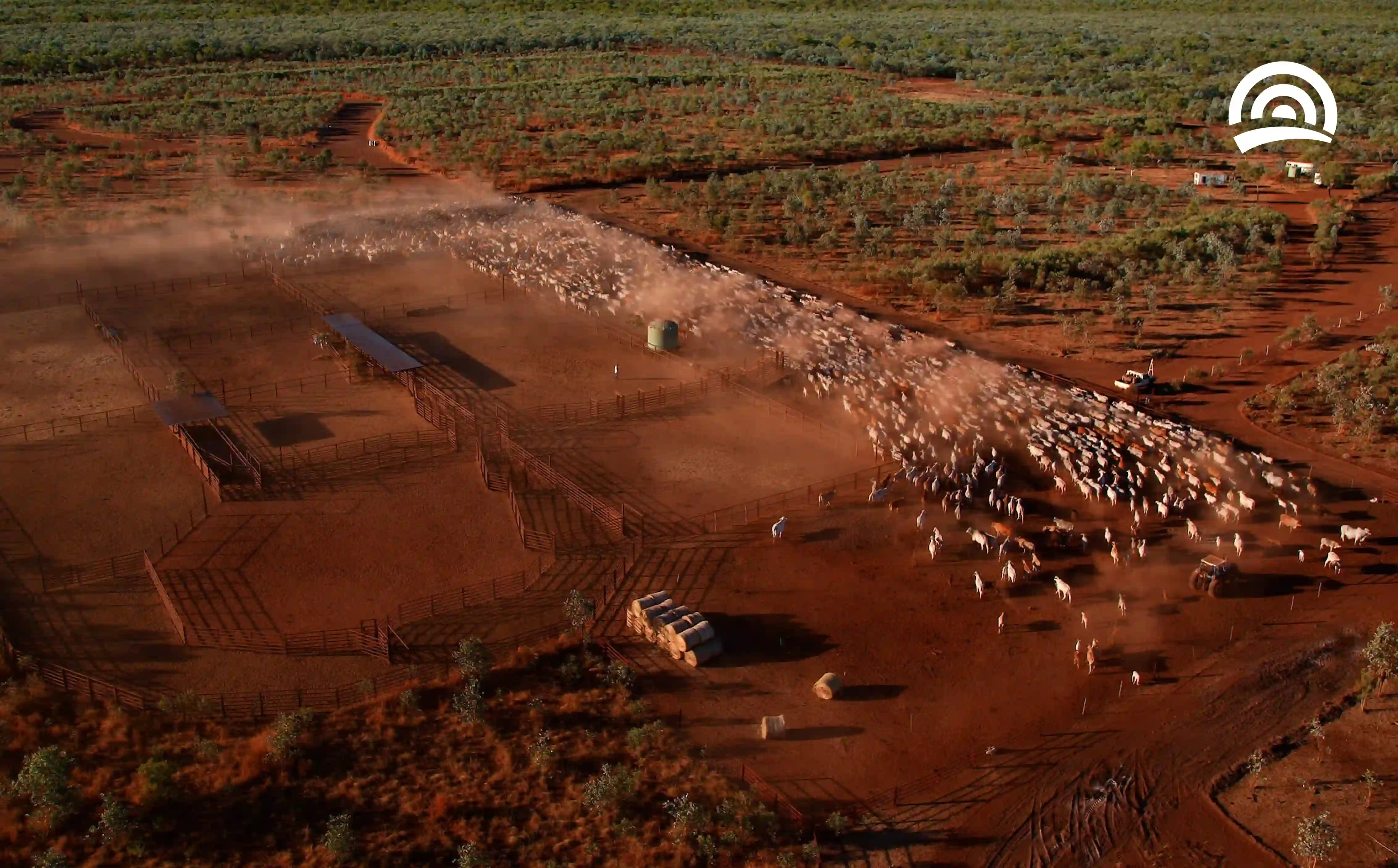
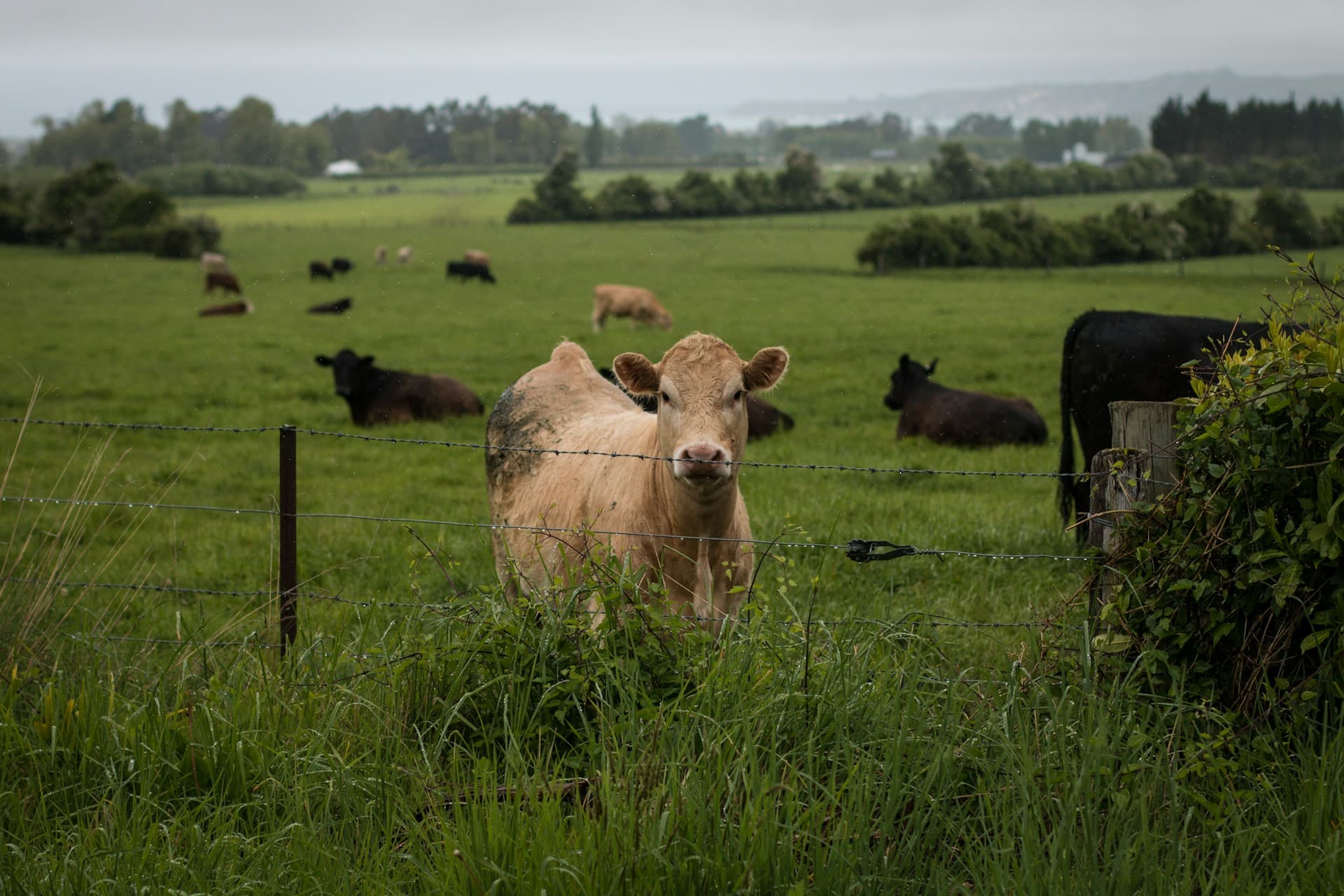
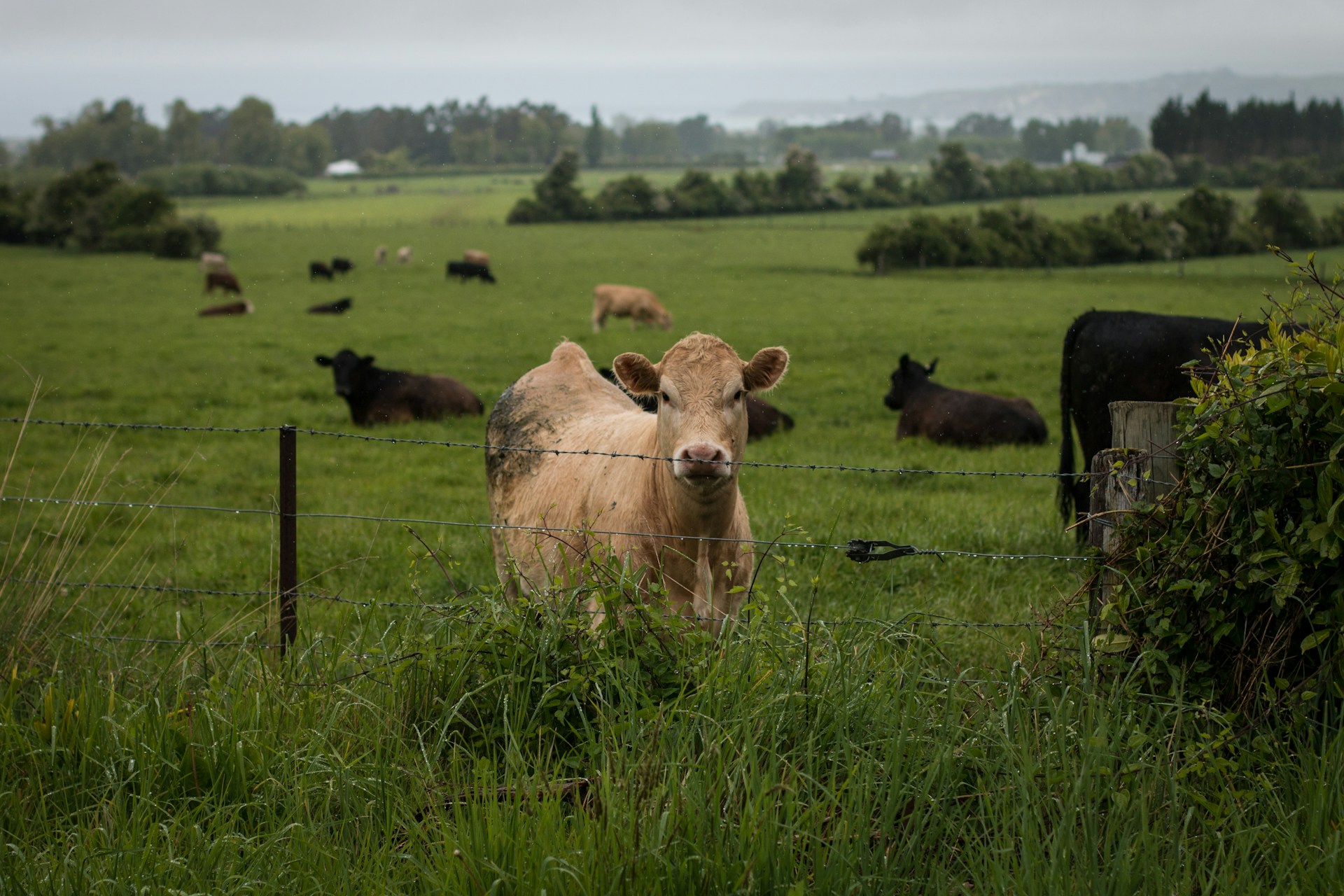
Cattle agistment refers to the practice of temporarily grazing cattle on someone else's property. This arrangement allows landowners to generate income from their land while providing cattle owners with a viable solution for feed shortages, overstocking, or drought conditions.
Agistment can vary in duration, from short-term agreements lasting a few weeks to long-term arrangements spanning several months. The key aspect of agistment is that it offers flexibility for both parties involved.
Benefits of Cattle Agistment
- Resource Management: One of the primary benefits of agistment is the efficient management of land and resources. Farmers facing a lack of feed or pasture can use agistment as a strategy to alleviate pressure on their own grazing resources.
- Financial Gains: Landowners can earn additional income by renting out their land for agistment. This can be particularly advantageous during peak grazing seasons when pasture is abundant.
- Reduced Overhead Costs: Cattle owners can save on costs associated with feed, veterinary care, and other livestock management expenses by utilizing agistment.
- Improved Pasture Quality: In some cases, rotating cattle between different grazing areas through agistment can lead to healthier pastures. This helps prevent overgrazing and promotes better land management practices.
Choosing the Right Agistment for your Cattle
When considering cattle agistment, it’s essential to evaluate your options carefully. Here are some key factors to consider:
-
Location: The proximity of the agistment property to your farm is crucial. A closer location can reduce transportation costs and stress on the cattle.
-
Land Quality: Inspect the land to ensure it has adequate pasture, water sources, and shelter. High-quality land can significantly impact the health and growth of your cattle.
-
Terms of Agreement: Clarify the terms of the agistment agreement. Important aspects to discuss include the duration of the agistment, costs, liability issues, and the responsibilities of each party regarding care and management of the cattle.
-
Health and Welfare: Ensure that the agistment provider adheres to proper animal welfare standards. Healthy cattle lead to higher productivity and fewer health issues down the line.
Cattle Agistment A Summary
Cattle agistment is a beneficial practice for both cattle owners and landowners, offering flexibility and economic advantages in managing livestock. By understanding the key aspects of agistment and carefully considering your options, you can make informed decisions that enhance the health and productivity of your cattle. For anyone involved in agriculture, embracing cattle agistment can be a strategic move toward sustainable and profitable farming. Whether you're looking for short-term solutions or long-term grazing options, agistment provides a valuable resource in the world of cattle farming.
By optimizing your cattle management strategies through agistment, you can ensure the continued health and success of your livestock while maximizing the potential of your land.