Horse Agistment Agreement Australia (Guide & Templates 2025)
Learn what to include in a horse agistment agreement in Australia, with guidance from agricultural authorities, plus access to a government template.
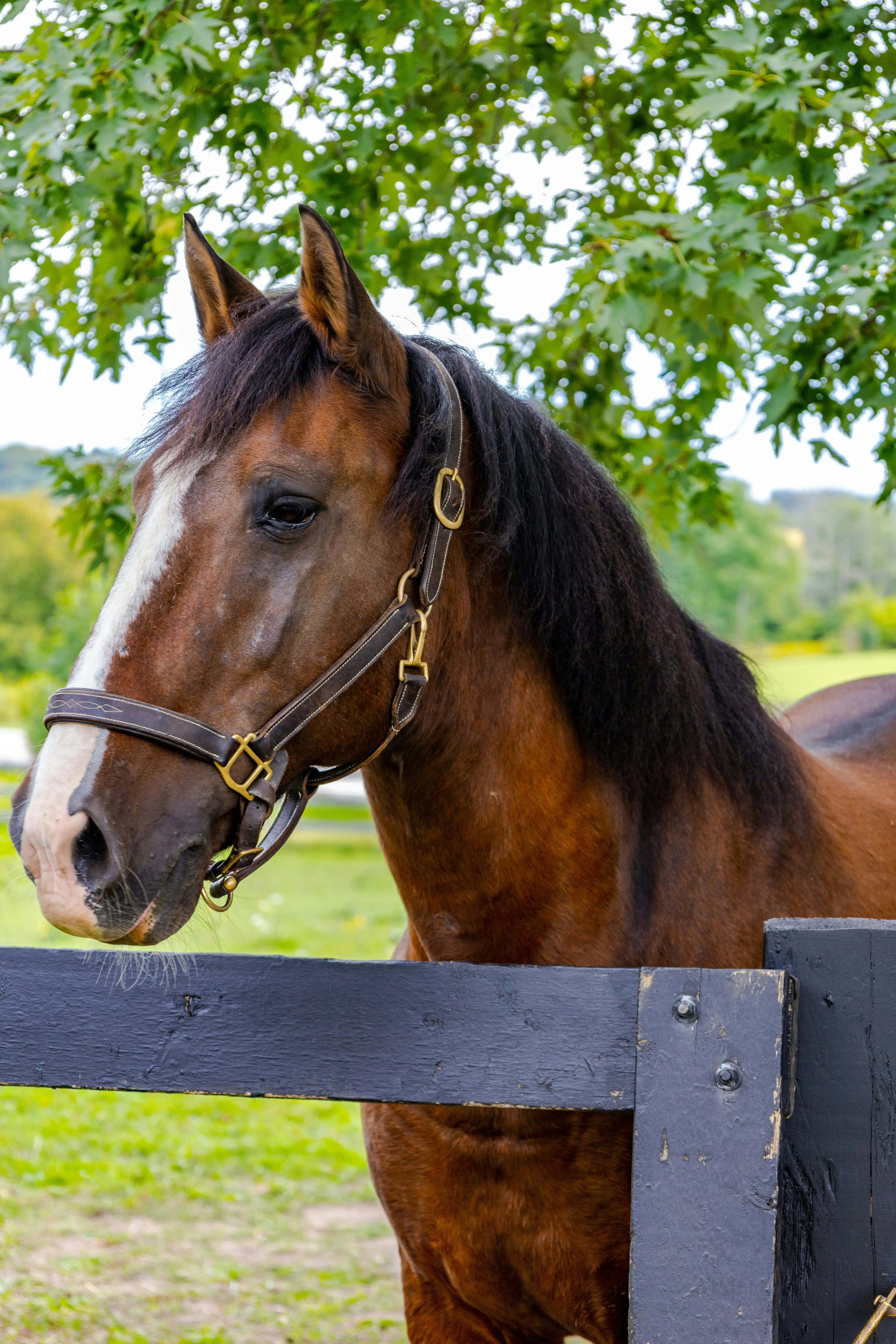
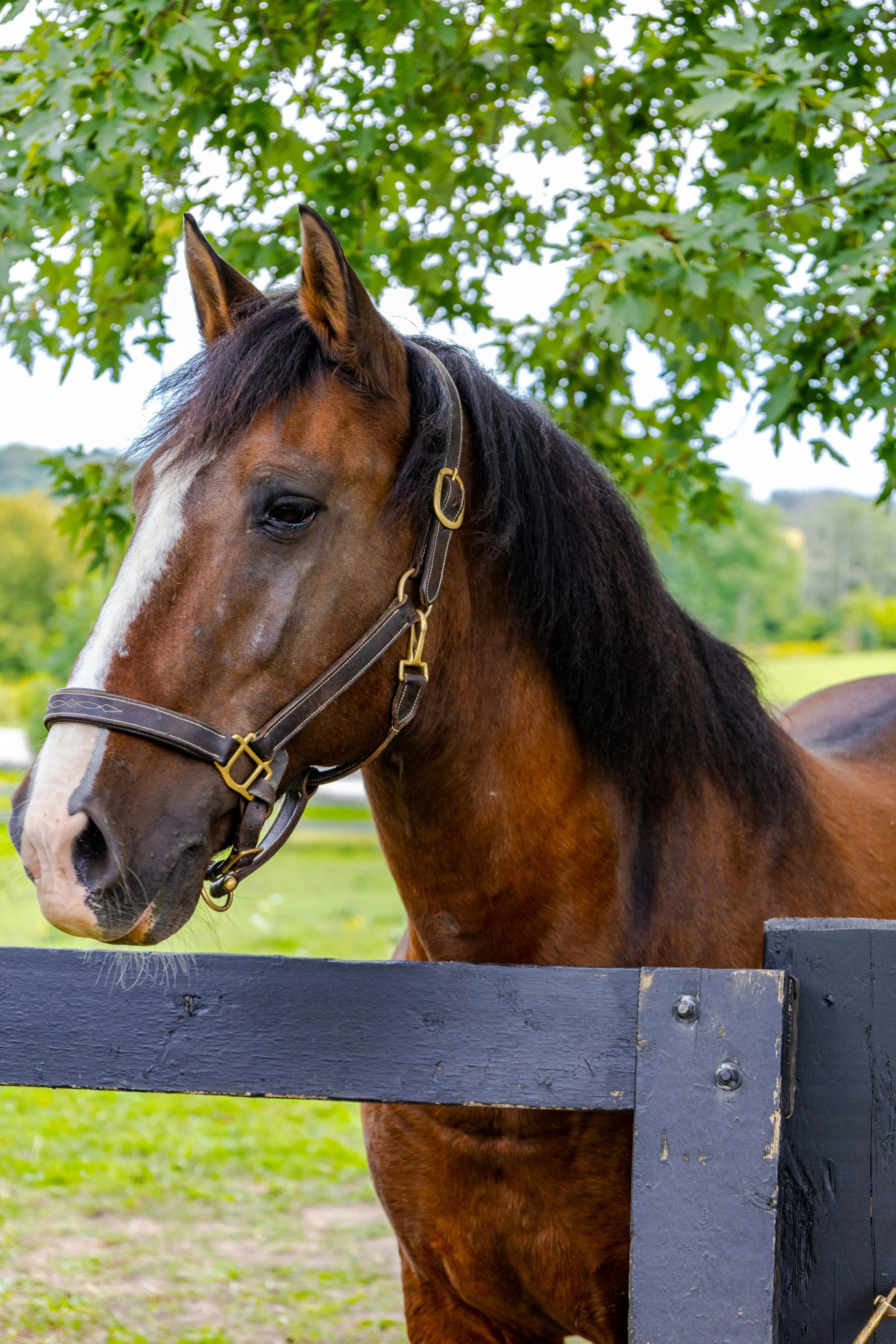
Finding the right agistment property for your horse is a major responsibility. Just as landlords and tenants use formal leases, horse owners and landholders need written agreements that clearly define expectations, protect both parties, and comply with Australian legal standards. While many people still rely on verbal arrangements, disputes over payment, care, liability, or injury often arise when nothing is put in writing.
Using a written agistment agreement is widely recommended by legal and equine industry bodies as the most reliable way for property owners and horse owners to prevent disputes. The following overview outlines commonly suggested inclusions based on guidance from rural legal authorities, equine associations, and state legislation. It is provided for general information only and does not constitute legal advice.
Why a written agreement matters
Across Australia, legal and agricultural bodies strongly encourage written agistment agreements to prevent disputes and ensure welfare responsibilities are clearly defined. For example, the NSW Young Farmer Business Program provides both guidance and a sample agistment agreement, highlighting the importance of documenting expectations around payment, horse care, access, and liability. In addition, the NSW Department of Primary Industries sets mandatory horse welfare standards, covering issues like feed, fencing, shelter, and veterinary care, which an agreement can allocate between the horse owner and the property owner.
In Victoria, the Code of Practice for the Welfare of Horses outlines minimum care requirements for anyone responsible for horses, making written terms especially useful in clarifying day-to-day duties. The RSPCA’s national horse care guidelines also recommend documenting who is responsible for essential welfare tasks to avoid confusion or neglect.
Legal professionals frequently point out that while verbal arrangements may technically be binding, they are extremely difficult to prove if something goes wrong. A written agreement provides certainty for both parties, reduces risk, and aligns with industry best practice.
What Should Be Included in an Agistment Agreement
A well-structured agistment agreement should clearly outline the responsibilities, rights, and expectations of both the horse owner and the property owner. While individual arrangements can vary, the following elements are widely recommended by equine legal practitioners and rural industry bodies:
- Parties’ Details:
- Full legal names and contact information for both the agistor (property owner or manager) and the agistee (horse owner). Emergency contacts can also be included.
- Description of the Property: A brief overview of the agistment location, including:
- Property address
- Type and size of paddock or stable
- Shared facilities (e.g. arena, shelters, tack or feed rooms, float parking, wash bay, water access) This sets expectations and avoids confusion about what the horse has access to.
- Animal(s) Covered: Each horse should be clearly identified with details such as:
- Name, age, breed, colour
- Microchip or brand number
- Distinguishing markings
- Vaccination and worming status
- Existing health conditions or behavioural notes
- Agistment Terms & Services: This section defines the type of agistment and what’s included. Common arrangements include:
- Paddock-only grazing
- Full care (feeding, rugging, stabling)
- Spelling or rest care
- DIY / self-care arrangements Additional services like farrier holding, hand-walking, or worming can be listed clearly.
- Fees and Payment Conditions: To protect both sides, the agreement should specify:
- Rates (weekly or monthly)
- What the fee covers
- Payment methods and due dates
- Late fees or penalties
- Any deposit/bond or additional service charges
- Right to recover unpaid fees under livestock lien laws
- Owner Responsibilities: This section clarifies who is responsible for:
- Vet bills and medications
- Farrier work
- Tack, rugs, supplements and feed (if not provided by the agistor)
- Damage caused by the horse (e.g. fencing, gates, shelters) Some agreements also require horse owners to hold public liability insurance.
- Veterinary and Emergency Procedures: To ensure prompt action, agreements normally include:
- Permission for the agistor to call a vet if the owner cannot be reached
- Spending limits on treatment without owner approval
- Preferred vet details
- Cost recovery obligations by the owner
- Liability, Risk and Insurance: To reduce legal exposure, many agreements include clauses about:
- Property owner liability limits
- Owner responsibility for the horse’s behaviour and care
- Public liability insurance requirements
- Waivers for injury, theft, loss or escape
- Termination and Removal of Horses: Common clauses include:
- Notice periods (e.g. 7, 14 or 30 days)
- Immediate termination for non-payment, neglect, or dangerous behaviour
- Removal process and final payment terms
- Rights relating to abandoned horses or unpaid bills
- Dispute Resolution: To minimise legal costs and escalation, many agreements include a simple dispute resolution process, such as:
- Direct negotiation first
- Mediation (e.g. through a rural or legal service) before legal action
- Jurisdiction for any court proceedings This provides a clear pathway if disagreements arise.
Agistment Template
You can access a sample agistment agreement provided by the Victorian State Government. It’s available to download directly here.
Summary
A written agistment agreement isn’t just a formality, it’s a practical safeguard for both the horse owner and the property owner. It prevents misunderstandings, sets clear expectations, and ensures animal welfare responsibilities are met in line with state laws.
In Australia, industry bodies and legal advisers strongly recommend documenting key terms such as care duties, fees, emergency procedures, liability, and termination rights. Even where agistment is arranged informally, a written agreement is the only reliable way to avoid disputes and protect everyone involved.
For those wanting to create or adapt an agreement, there are several trusted templates available from government programs, agricultural departments, equine legal services, and reputable online providers. Using one of these as a starting point makes the process easier, safer, and legally clearer.
Disclaimer: This information is intended as general guidance only and does not constitute legal advice. Anyone entering into an agistment arrangement should seek independent legal advice to ensure the agreement meets their specific circumstances and obligations under state law.